- Trump Shifts Foreign Policy
- Iran Strike Sparks Criticism
Article Today, Hyderabad:
The Nobel Peace Prize has entered the centre of a political storm. United States President Donald Trump, who once criticised the Nobel Committee for overlooking him, now finds himself linked to the award in an unusual way. The development comes at a time when Washington has launched fresh military action against Iran. The contrast between symbolism and strategy has drawn global attention.
The Prize Transfer
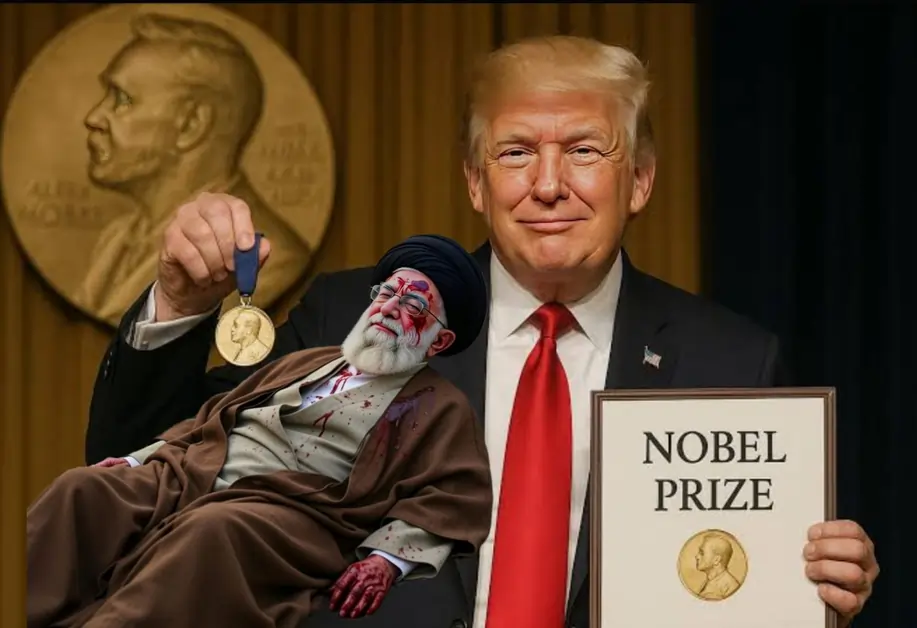
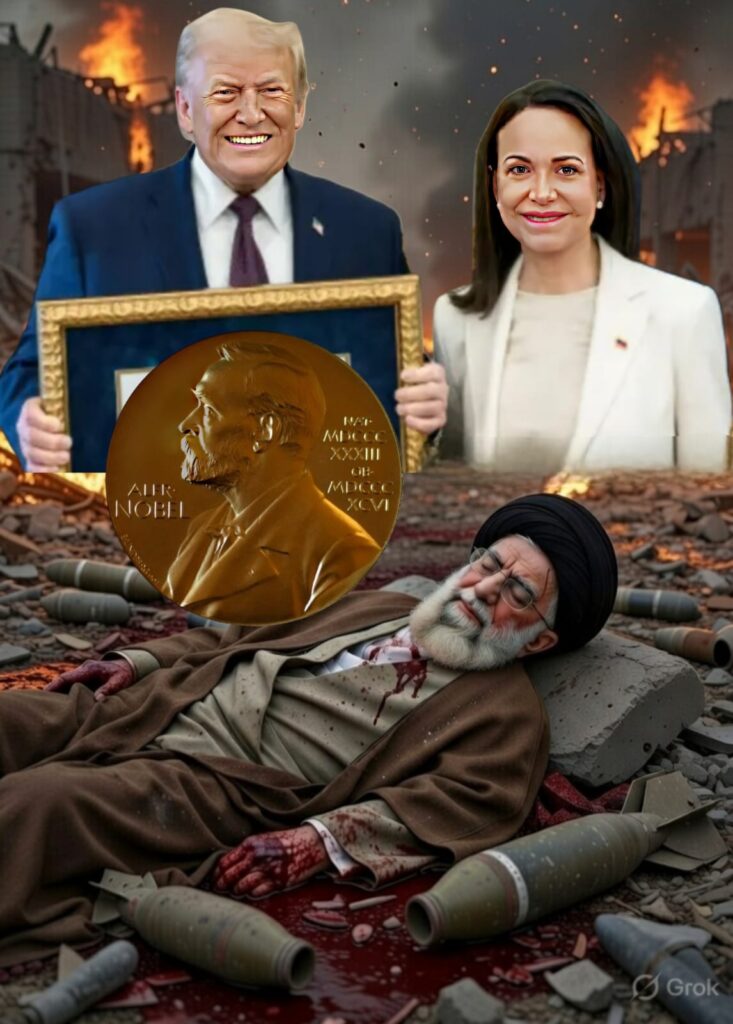
In 2025, Venezuelan opposition leader María Corina Machado received the Nobel Peace Prize. She later dedicated the honour to Trump, citing his support for democratic movements in Venezuela. The prize was subsequently placed at the White House. Trump described it as recognition of his “peace through strength” approach. However, the symbolic gesture has coincided with a widening conflict in West Asia.
Shift From Campaign Promises
During the 2016 campaign, Trump criticised regime-change wars. He argued that foreign interventions weakened American interests. In the 2024 election cycle, he repeated that he had not started new wars. However, within a year of returning to office, his administration authorised direct military strikes on Iranian targets. The decision marks a sharp shift from earlier rhetoric.
Escalation With Iran
The latest strikes targeted strategic installations inside Iran. US officials described the action as necessary to curb security threats. Meanwhile, Iranian authorities condemned the attack as an act of aggression. Reports indicate heavy damage in selected zones, although casualty figures remain contested. Tensions have since escalated across the region.
Contradictory Statements
Trump’s public messaging has raised questions. In previous speeches, he claimed that Iran’s nuclear capabilities had been neutralised. Yet in a recent video statement, he warned of renewed nuclear risks. The administration has not clarified the apparent contradiction. Analysts say this inconsistency has added to diplomatic uncertainty.
Media Scrutiny
The American daily The New York Times has criticised the administration’s approach. Its editorial analysis questioned the strategic objectives behind the strikes. It also highlighted the risks of prolonged military engagement. The newspaper argued that campaign assurances of restraint appear to have been set aside.
Regional Impact
The conflict has intensified instability in West Asia. Oil markets have shown volatility. Regional allies are reassessing security positions. Meanwhile, international observers fear that further escalation could draw in additional actors. Diplomatic channels remain open, but prospects for immediate de-escalation appear limited.
Domestic Debate
Within the United States, reactions remain divided. Supporters describe the action as decisive leadership. Critics warn that it could entangle American forces in another long conflict. Lawmakers from both parties have sought detailed briefings on the scope of the operation. The debate reflects broader concerns about the direction of US foreign policy.
Uncertain Road Ahead
The juxtaposition of a peace prize and renewed military engagement presents a striking political narrative. Symbolism and strategy now stand in tension. As developments unfold, the long-term consequences for regional stability and American diplomacy remain uncertain. However, the episode underscores how quickly campaign commitments can confront geopolitical realities.
Bolloju Ravi, Senior Journalist