

- Independent Tests Flag Contamination
- Leading Dairies Under Scrutiny
- Regulators Face Accountability Questions
- Independent Tests Raise Concerns
Article Today, Hyderabad:
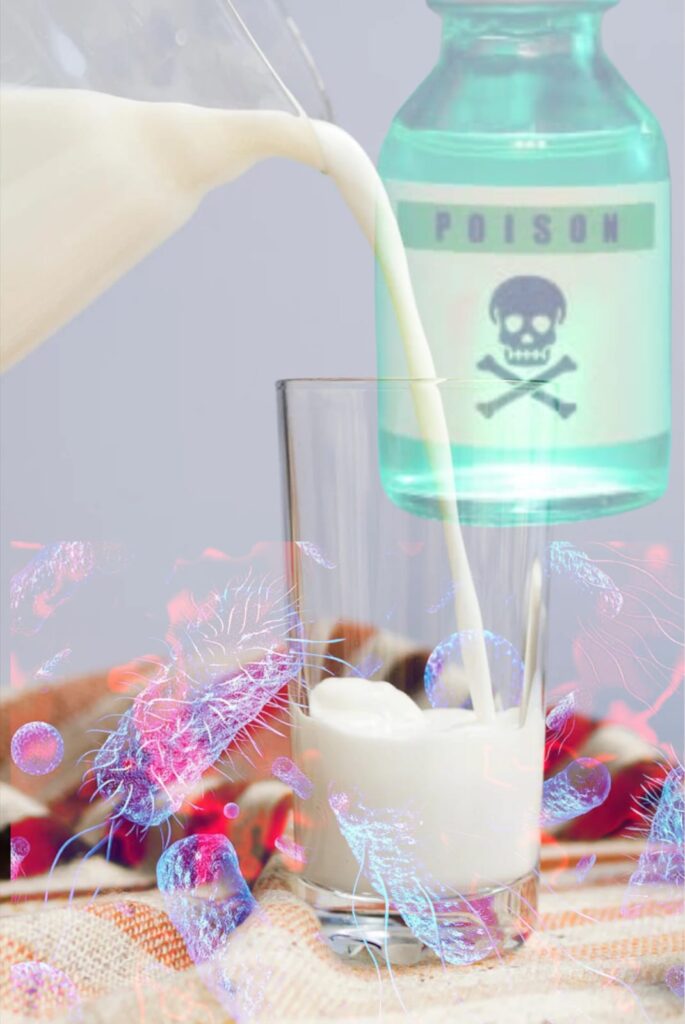
Fresh concerns have emerged over the microbiological quality of packaged milk and dairy products sold by leading brands in India. A recent investigation by Trustified, an independent food testing platform, reported elevated bacterial counts in samples collected from the retail market. The findings have triggered questions about quality control and regulatory oversight in the dairy sector.
The investigation involved laboratory testing of multiple branded samples. The results, according to the platform, showed deviations from prescribed food safety benchmarks in certain products. These include higher total plate count levels and the presence of coliform bacteria in some cases.
Mother Dairy Under Scanner
Among the brands tested was Mother Dairy, established in 1974. The report stated that certain milk samples showed bacterial levels above recommended thresholds. Total Plate Count, a standard indicator of microbial load, was reportedly higher than expected in specific batches. While such counts do not automatically imply immediate health risk, they indicate lapses in hygiene or cold chain management. The company has not publicly accepted the findings and maintains that its products meet regulatory standards. However, the reported data has intensified scrutiny over routine monitoring mechanisms.
Amul Products Flagged
The investigation also examined products sold under the Amul brand. According to the published results, certain milk variants and curd samples showed the presence of coliform bacteria and elevated microbial counts. Coliform presence is generally treated as an indicator of sanitation gaps during processing or packaging.
Amul has consistently projected itself as a cooperative-led quality brand. The company has disputed allegations in the past and emphasised compliance with national food safety norms. Nevertheless, the reported findings have sparked debate on whether internal audits are sufficient in large-scale dairy operations.
Country Delight Findings
Samples from Country Delight were also included in the investigation. The platform claimed that some products showed microbial counts exceeding acceptable levels. Country Delight markets itself as a direct-from-farm supplier using technology-enabled distribution. The reported data has therefore raised questions about supply chain integrity and last-mile handling.
However, companies typically argue that isolated lab findings may not reflect systemic failure. They also point to variations caused by storage conditions after retail purchase.
Eggs And Chemical Residue
The investigation extended beyond milk. Samples of eggs sold under the Eggoz label were reportedly tested for antibiotic residues. The platform claimed detection of AOZ, a metabolite linked to banned veterinary drugs in several countries. The presence of such residues, if confirmed by regulators, would constitute a serious violation of food safety standards.
Meanwhile, the Food Safety and Standards Authority of India, or Food Safety and Standards Authority of India, has not yet issued a detailed public response to the specific claims. Under current regulations, the authority sets permissible microbial and chemical limits and is responsible for enforcement through state agencies.
Regulatory Oversight Questioned
The controversy has renewed debate over third-party testing and regulatory transparency. India’s dairy sector serves millions daily and operates at vast scale. Even minor lapses can affect public health confidence. Therefore, robust and frequent inspections are critical.
Consumer groups have demanded independent verification of the reported findings. They have also sought disclosure of official inspection reports. Meanwhile, industry representatives caution against drawing conclusions without regulatory confirmation. The episode underscores a larger issue. Food safety governance depends on credible testing, transparent disclosure, and swift corrective action. Without that, trust in branded staples can erode quickly.