- Travel Builds Skills Beyond Classrooms
- Career Paths Gain Fresh Perspective
- A Pause After Pressure
Article Today, Hyderabad:
The long arc of schooling often ends in fatigue. Years of exams and competition leave many students drained. Increasingly, young people are choosing to pause before entering higher education. This pause, known as a gap year, is gaining ground among Gen Z. It is not a withdrawal from learning, but a shift in how learning is approached.
Rising Trend Across Regions
In 2025, nearly 36,925 students in India deferred higher education. Similar patterns are visible globally. The trend reflects a wider cultural change. Students are seeking time to reassess goals. They want space to explore interests beyond prescribed curricula. Meanwhile, universities are also recognising this shift and allowing deferred admissions.

Travel as Education
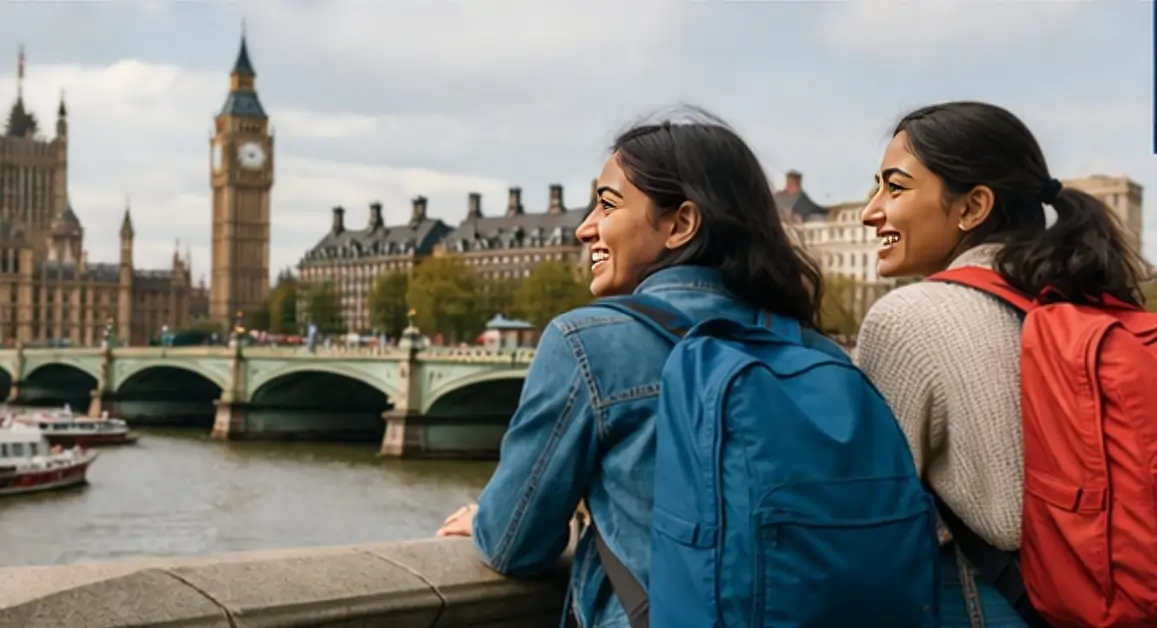
For some, the gap year becomes a journey across borders. Two students from Hyderabad, aged 18, chose to work and save before travelling through Europe. They took up multiple jobs over six months to fund their trip. Their experience in cities such as London exposed them to new cultures and perspectives. Travel, in this sense, becomes an extension of education.
Work and Self-reliance
Earning during a gap year is a key feature. Students take up part-time roles in retail, hospitality, or local businesses. This builds financial awareness and independence. In addition, work experience strengthens practical skills. These include communication, time management, and adaptability. Such skills are often not taught in classrooms.
Reframing Academic Goals
Not all gap years are about travel. Some use the time to prepare for competitive exams. A student from London chose to delay university entry after failing to secure a medical seat. She spent a year preparing again and later entered a leading university. Her case shows that a gap year can redirect academic trajectories rather than delay them.
Emotional Challenges Remain
However, the decision is not without difficulty. Many students report feelings of isolation. Watching peers move ahead can create anxiety. Doubts about the decision are common during the early months. Yet, over time, many find clarity and renewed confidence. The experience often strengthens emotional resilience.
Experts See Long-term Value
Education experts view the trend as a constructive shift. They argue that gap years allow students to identify genuine interests. In a competitive job market, diverse experiences can enhance employability. Therefore, a well-planned gap year can add depth to a student’s profile. It reflects a move towards holistic development rather than linear progression.