Article Today, Patna:
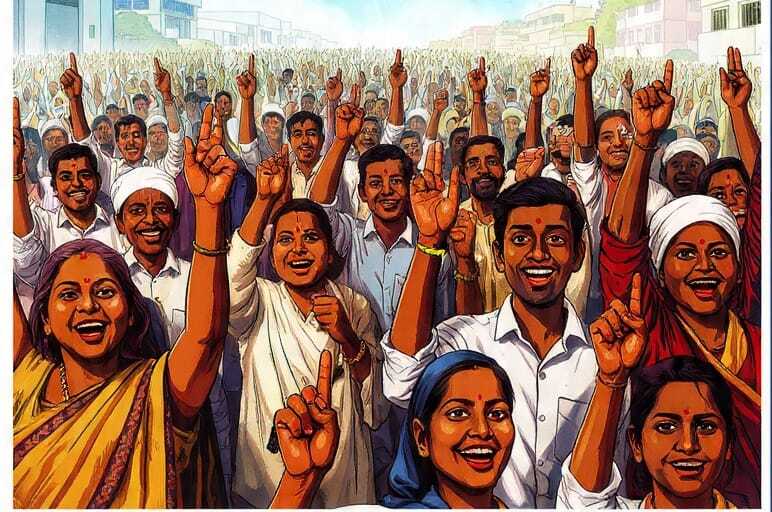
Bihar witnessed an extraordinary surge in voter turnout during the first phase of Assembly elections, with polling recorded at 64.7 per cent — the highest in the State’s 73-year electoral history. From rural villages to urban centres, voters turned out in large numbers, defying expectations and marking a historic moment in the democratic process.
The Dalit Factor
A closer analysis of polling data reveals that Scheduled Caste (SC) reserved constituencies contributed significantly to the rise in voter turnout. Seven out of the ten constituencies with the highest polling were reserved for Dalits. In Bhore, located in Gopalganj district, voter turnout increased by 16.1 percentage points compared to 2020. Similarly, Kalyanpur in Samastipur saw a rise of 15.7 per cent, while Sonbarsa in Saharsa reported a 14.6 per cent jump. With Dalits comprising about 19.5 per cent of Bihar’s population, their mobilisation is expected to play a decisive role in shaping the election outcome.
Rural Enthusiasm, Urban Apathy
While rural areas reported a voter “wave,” urban centres lagged behind. In Patna, constituencies such as Kumhrar, Bankipur, and Digha saw only marginal improvements in turnout but remained below 42 per cent. In contrast, Minapur in Muzaffarpur recorded an impressive 77.6 per cent turnout, the highest in the State. Analysts suggest that the relative indifference in urban regions may dilute the political influence of city-based voters, while rural enthusiasm continues to shape the State’s electoral dynamics.
Youth and Technology Drive Turnout
Election officials attribute the record participation to a combination of improved logistics, digital outreach, and heightened competition. The Election Commission expanded polling facilities, reducing waiting times at booths. Political parties, meanwhile, launched hyper-local campaigns in Bhojpuri and Maithili through WhatsApp and Facebook to engage first-time and young voters. Media surveys predicting a tight contest also motivated voters to view their participation as decisive. Many young voters reportedly perceived this election as a moment to redefine Bihar’s future.
Changing Patterns, Uncertain Outcomes
Historically, higher voter turnouts in Bihar have often signalled anti-incumbency trends. For instance, in 1990, a surge in turnout preceded Lalu Prasad Yadav’s rise to power. However, this year’s context remains complex. The ruling National Democratic Alliance (NDA), led by Chief Minister Nitish Kumar’s Janata Dal (United) and the Bharatiya Janata Party (BJP), faces a stronger opposition but also enjoys organisational advantages. Whether the turnout surge will translate into a political shift remains uncertain.
Awaiting the Verdict
Political analysts believe that the increased participation of Dalit and rural voters, coupled with low urban turnout, could significantly influence seat-by-seat results. The balance between caste mobilisation, youth participation, and regional turnout disparities will likely determine the direction of the mandate. As Bihar awaits the results to be declared on November 14, one thing is clear — the first phase of polling has already rewritten the State’s electoral narrative.