
- Migration Reshapes Political Arithmetic
- Economic Gaps Strain Federal Balance
- A Widening Regional Faultline
- Article by Shashi Tharoor in The Hindu
Article Today, Hyderabad:
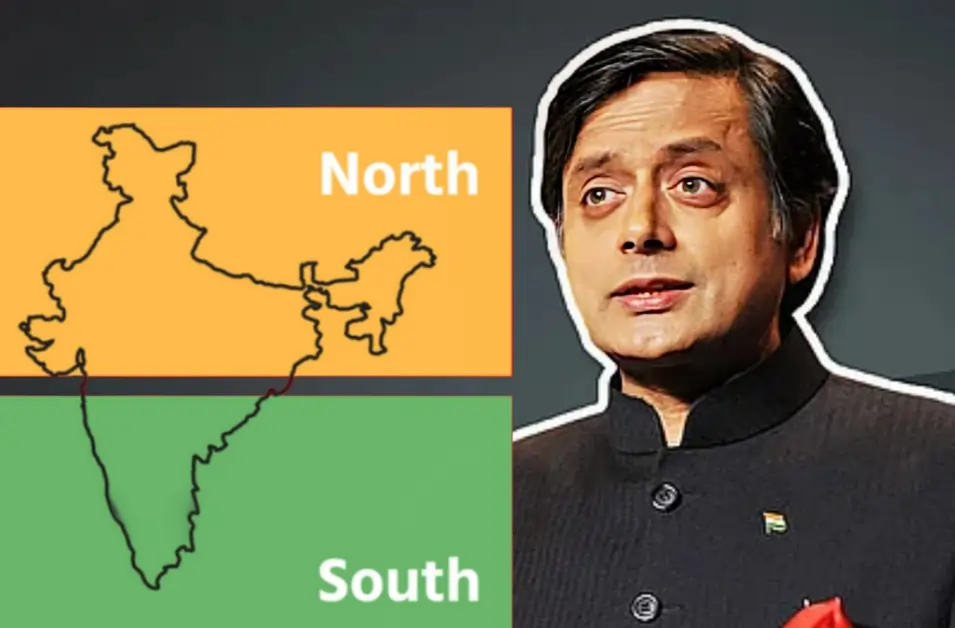
India is confronting a complex regional imbalance. South states are driving economic growth, while north states retain greater political weight. This divergence is sharpening debates on representation, resources, and federal equity. The issue has gained fresh attention after a recent article by Shashi Tharoor in The Hindu highlighted the risks of a deepening north–south divide.
Delimitation and Representation Risks
The proposed delimitation exercise, expected after the next Census, sits at the centre of concern. It may increase parliamentary seats for populous northern states. However, this could reduce the relative voice of southern states that have controlled population growth and improved human development. Therefore, critics argue that a purely population-based formula may penalise states that performed better on governance indicators.
Economic Strength Vs Political power
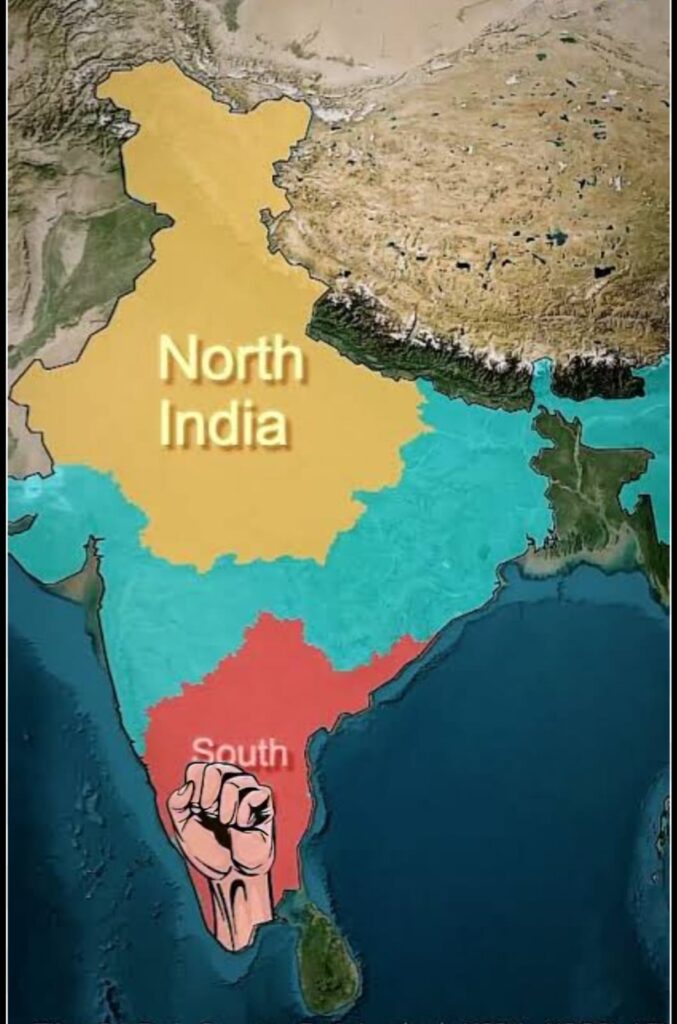
Southern states such as Tamil Nadu and Kerala show higher per capita incomes and better health and education outcomes. In contrast, several northern states continue to struggle with poverty and lower human development indices. Meanwhile, political representation remains tied to population size. This creates a structural imbalance where economically stronger regions may have less influence in national decision-making.
Migration And the New Workforce Pattern
Labour migration is adding another layer to this divide. Workers from northern states are increasingly employed in southern cities and industries. However, their voting rights remain linked to their home states. As a result, the regions that benefit from their labour do not gain corresponding political weight. This disconnect raises questions about representation in a mobile economy.
Urban Growth and Hidden Inequalities
Despite economic progress, southern states face internal disparities. Cities like Hyderabad and Bengaluru show stark contrasts between affluent neighbourhoods and informal settlements. In addition, wage gaps persist in sectors such as agriculture and construction. Therefore, growth has not fully translated into equitable social outcomes across all regions.
Balancing Federal Principles
Policy experts, including economist Santosh Mehrotra, have suggested alternative approaches. These include balancing population-based representation with safeguards for state equity. Such measures aim to prevent excessive political concentration while maintaining democratic principles. However, consensus on this issue remains limited.
The Need For a New Compact
The debate ultimately points to a broader question of federal balance. Economic contribution, population size, and social development must be weighed together. In addition, inclusive growth across regions is essential to reduce long-term disparities. Without a recalibrated framework, tensions between regions may intensify, challenging India’s cooperative federal structure.
Bolloju Ravi, Senior Journalist