
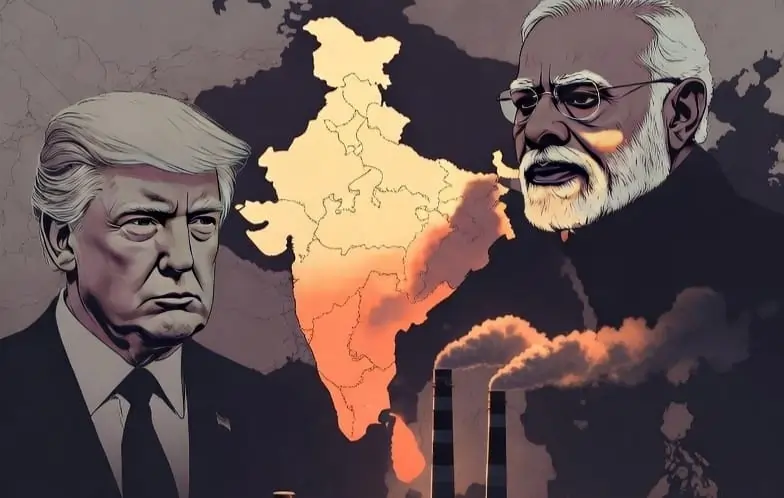
- China Precedent Shapes US Policy
- Trade Pressure Targets India Growth
- Strategic Anxiety in Washington
Article Today, Hyderabad:
The United States has signalled growing concern over India’s long-term economic rise. Senior American officials recently indicated that Washington does not want to repeat what it sees as a past policy mistake with China. During the past two decades, the US provided economic space and trade access that helped China expand into a global industrial power. According to officials, the United States now intends to avoid allowing another strategic competitor to emerge in a similar way.
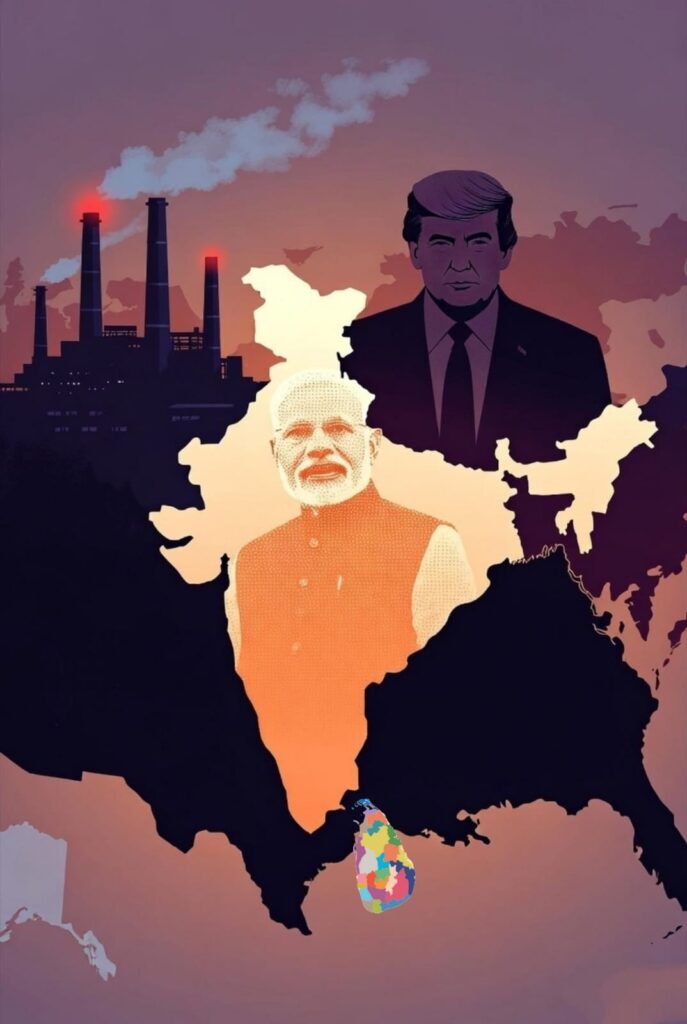
China Experience Shapes Policy
US policymakers increasingly cite China’s rapid economic growth as a lesson. Over the years, China transformed from a manufacturing base into a technological and geopolitical rival to Washington. As a result, American strategists are reassessing their approach toward other large economies. Officials say they are cautious about offering India the same level of market flexibility or economic concessions that were previously extended to China. Therefore, analysts believe Washington now prefers to manage competition rather than facilitate the rise of another industrial powerhouse.
Signals From US Officials
Recent remarks by US State Department Deputy Secretary Christopher Landau reflected this policy shift. Landau stated that Washington does not intend to repeat the strategic miscalculations that allowed China to grow rapidly within the global trading system. The comments indicate a broader debate inside the US policy establishment. Some officials argue that India should remain a key partner and market. However, they also stress that the United States must carefully balance cooperation with strategic caution.
Pressure Through Energy Policy
Energy trade has become one area of pressure in US-India relations. Last year, Washington imposed additional tariffs after India continued purchasing oil from Russia despite Western sanctions linked to the Ukraine conflict. The tariffs reportedly reached 50 percent at one stage. Later, they were reduced to around 18 percent after negotiations and assurances regarding future energy purchases. The issue illustrates how energy supply chains have become intertwined with geopolitical alignments.
Trade Imbalance Debate
Meanwhile, trade discussions between the two countries have also intensified. India is expected to purchase American goods worth nearly Rs. 42 lakh crore over the next five years under proposed arrangements. Critics in India argue that such agreements may benefit US manufacturers more than domestic industry. They also question the asymmetry in tariff structures, where Indian exports face duties while certain US goods may enter with minimal or zero tariffs. Therefore, trade negotiators continue to debate how to maintain balance.
Impact of Regional Conflicts
Regional conflicts have added further complexity. Tensions involving Iran and disruptions in global energy supply have increased pressure on many import-dependent economies, including India. In addition, maritime incidents in the region have created diplomatic challenges for several countries. These developments underline how global security dynamics often influence economic policy and energy partnerships.
India’s Strategic Balancing
India, meanwhile, continues to maintain a careful foreign policy balance. New Delhi seeks to preserve long-standing relations with Russia while expanding economic and technological cooperation with the United States. However, India also aims to protect its strategic autonomy and industrial growth. As global competition intensifies, policymakers in both Washington and New Delhi are reassessing the future direction of their economic and strategic partnership.
Bolloju Ravi, Senior Journalist