
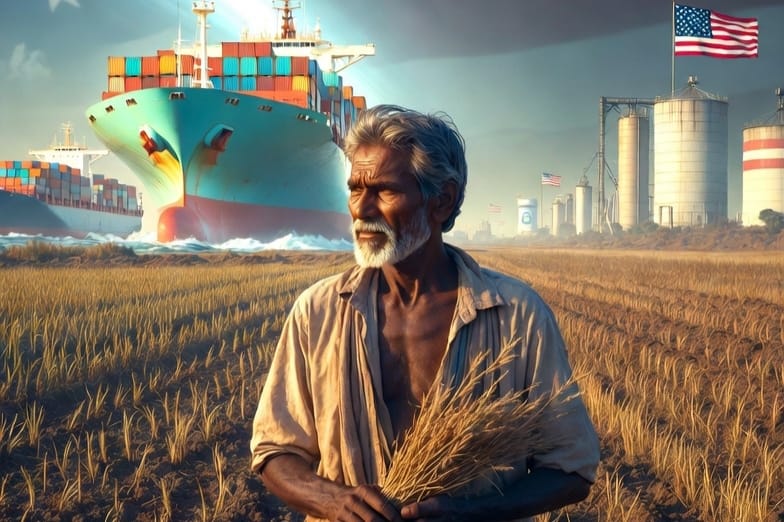
- Imports May Reshape Markets
- States Warn of Fallout
- Trade Talks Context
Article Today, Hyderabad:
India’s proposed trade engagement with the United States (US) has triggered concern across the agricultural sector. The Centre is negotiating market access as part of a broader bilateral trade framework. However, farmer groups and State-level stakeholders fear that domestic interests may be compromised. The talks have gained urgency amid pressure from the U.S. administration led by Donald Trump.
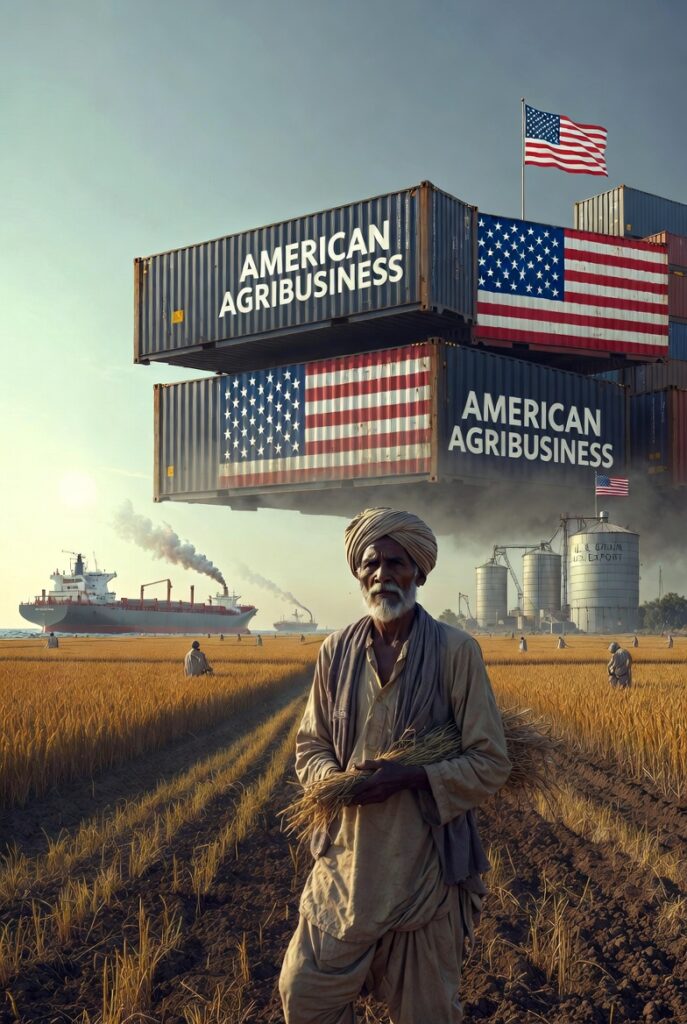
Market Access Concerns
Officials familiar with the discussions indicate that India may partially open its agricultural market, valued at around Rs. 48 lakh crore. This includes easing tariff barriers on select farm and dairy products. Consequently, U.S.-based agri-business firms could gain wider entry into Indian supply chains. Critics argue that such access may alter price dynamics in local markets.
Impact on Fruit Growers
Apple growers in Jammu and Kashmir and Himachal Pradesh are particularly worried. Reduced import duties on U.S. apples could lead to a surge in cheaper foreign produce. Meanwhile, domestic growers face higher input costs and limited mechanisation. Therefore, farmers fear that local apples may struggle to remain competitive in wholesale markets.
Dairy Sector Pressures
In addition, the dairy sector has emerged as a major area of concern. India has allowed limited entry of U.S. dairy products as part of the negotiations. American dairy farms operate at scale and benefit from advanced technology. As a result, imported milk products could be priced lower than domestic supplies. This may affect millions of small dairy farmers who depend on daily sales for income.
Telangana Crops at Risk
Farmers in Telangana cultivating maize, pulses, and cotton are also watching developments closely. Industry representatives warn that cheaper imports of maize and related crops could depress domestic prices. Moreover, cotton imports from the U.S. may intensify competition in textile-linked markets. Therefore, growers fear that even minimum support price benchmarks may not protect farm incomes.
Political and Economic Pressure
The Centre’s approach is shaped by wider trade considerations. The U.S. has raised the prospect of higher tariffs on Indian IT services and manufactured goods. According to analysts, this has added pressure on New Delhi to offer concessions in agriculture. The government led by Narendra Modi has not publicly detailed the final contours of the agreement.
Investment Claims Examined
The Union government has highlighted the possibility of foreign investment worth Rs. 83,000 crore in agri-linked sectors. However, economists note that such investments may largely benefit large multinational firms. Companies involved in retail and food processing could gain greater control from procurement to distribution. Meanwhile, concerns persist that contract farming could reduce farmers to dependent suppliers.
Trade Deficit Debate
Officials argue that the agreement aims to address the bilateral trade imbalance with the U.S. Yet, critics say the burden of adjustment appears to fall on agriculture. Tariffs on products such as walnuts and pulses may see sharp reductions. Therefore, domestic producers fear losing market share within their own country.
Farmers’ Groups React
Farmer unions have expressed strong opposition to the proposed concessions. They argue that opening agriculture to global corporations threatens livelihoods and food security. Leaders have urged the Centre to prioritise minimum support prices and local markets. As discussions continue, there are indications that protests could intensify if the agreement moves forward without safeguards.