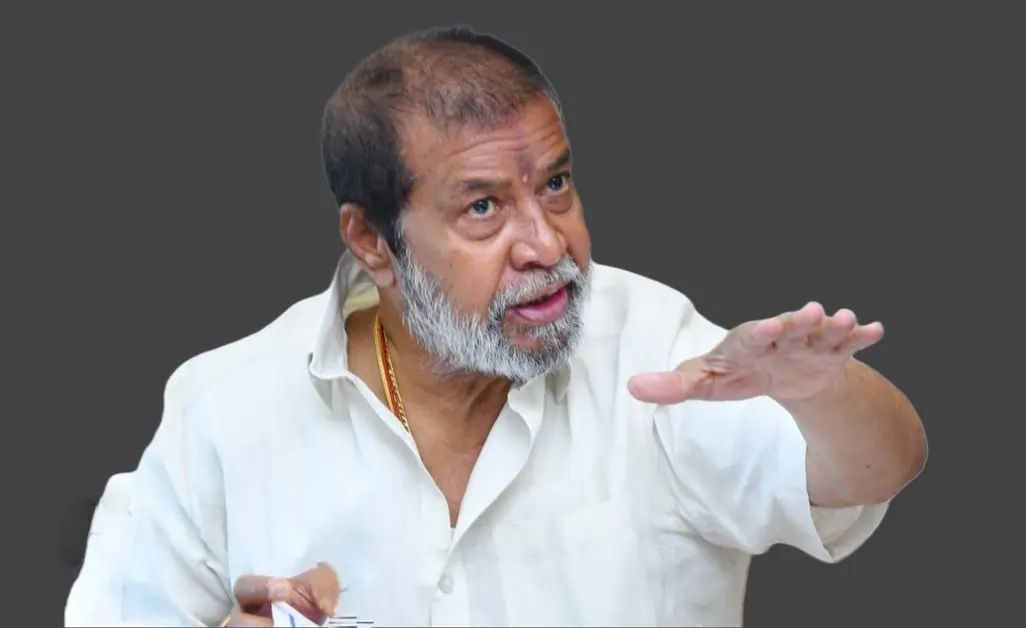

Breast cancer has become one of the most alarming health challenges for Indian women, overtaking cervical cancer in prevalence. In an exclusive conversation with Article Today, Dr Ramesh Maturi, Head of Surgical Oncology at MNJ Cancer Institute, Hyderabad, explains how innovations like oncoplasty are transforming breast cancer treatment — preserving dignity, restoring confidence, and saving lives.
Article Today: How serious is the threat of breast cancer in India today? Is the rise truly alarming?
Dr Ramesh Maturi: Breast cancer is now the most common cancer among Indian women. Earlier, cervical cancer was more prevalent, but today breast cancer accounts for nearly one-fourth of all cancers detected in women. Every year, around 1.92 lakh new cases are diagnosed and almost 98,000 women die from the disease. This steady rise is indeed worrying and underlines the need for awareness and early detection.

Article Today: Many women seek treatment only after the disease has advanced. Why does this delay happen so often?
Dr Ramesh Maturi: Unfortunately, a large number of women in India approach hospitals at advanced stages. Unlike Western countries, early detection is still rare here. Since most cancer treatment centers are based in cities, rural patients face access issues. On top of that, lack of awareness about self-examination and screening contributes significantly to late presentation.
Article Today: Why is the survival rate of Indian women lower compared to women in Western countries?
Dr Ramesh Maturi: The key reason is the limited access to modern medicines and therapies in many government hospitals. Advanced treatments like monoclonal antibodies and immunotherapy are expensive and not widely available. However, at MNJ Institute of Oncology, we provide these advanced drugs free of cost to all patients. This has greatly improved outcomes and survival rates.
Article Today: MNJ Hospital has pioneered oncoplasty in Telangana. How is this treatment different from conventional surgery?
Dr Ramesh Maturi: Oncoplasty combines cancer removal and breast reconstruction in a single surgery. Instead of removing the entire breast, we remove the tumour and reconstruct the breast using the patient’s own tissues. The results are medically safe and aesthetically pleasing. Women regain their self-confidence, and their quality of life improves dramatically. We have already performed this procedure successfully on hundreds of patients.
Article Today: Still, many women in the Telugu states undergo full breast removal. Why is oncoplasty not yet common?
Dr Ramesh Maturi: The main reason is lack of adequate training for surgeons. Nearly 90 percent of women in Telangana and Andhra Pradesh still undergo mastectomy. In contrast, in Tata Cancer Hospital, Mumbai, only about 40 percent of patients lose their breast. To change this, we plan to start a dedicated fellowship programme at MNJ to train more surgeons in oncoplastic techniques with government support.
Article Today: How is the Telangana government helping make cancer care more accessible across districts?
Dr Ramesh Maturi: The government has been extremely supportive. With its help, MNJ recently launched the ‘District Cancer Control Programme’. Under this scheme, patients can continue their treatment at nearby government hospitals instead of travelling to Hyderabad. This initiative has made treatment faster, easier, and affordable for rural and low-income patients.
Article Today: Studies show that Indian women develop breast cancer at younger ages than Western women. How does this affect families?
Dr Ramesh Maturi: Yes, it’s a serious issue. Most Indian women are diagnosed before the age of 50, while in Western countries, it’s usually after 60. Younger women face more aggressive forms of cancer, which also impacts their families deeply. Children may lose maternal care, husbands face stress and financial hardship, and working women risk losing employment. The social and emotional toll is immense.
Article Today: Beyond physical treatment, how does MNJ support women emotionally after surgery?
Dr Ramesh Maturi: Emotional healing is as important as medical recovery. At MNJ, we’ve started a joint study with the University of Hyderabad focusing on the psychological challenges faced by breast cancer patients. We provide counselling for both patients and their spouses to rebuild emotional confidence and relationships after surgery. It’s a holistic approach to recovery.
Article Today: Could you share details about ongoing research at MNJ related to early detection and prevention?
Dr Ramesh Maturi: Research is a core part of our institution. We’ve initiated a study on circulating tumour DNA — known as ctDNA — in collaboration with the University of Hyderabad to detect cancer recurrence early. We’re also studying genetic mutations in breast cancer patients to assess hereditary risks and help protect their children from possible future cancers.
Article Today: Polio was eradicated through strong government commitment. Can cancer control follow the same model?
Dr Ramesh Maturi: Definitely. The success of the polio eradication campaign is proof that strong political will and systematic execution work. A similar national approach is needed for cancer — large-scale screening, free advanced treatment, and continuous awareness campaigns. If we act with the same focus, breast cancer can be brought under control, just as India once defeated polio.
Interview by the Article Today Health correspondent