
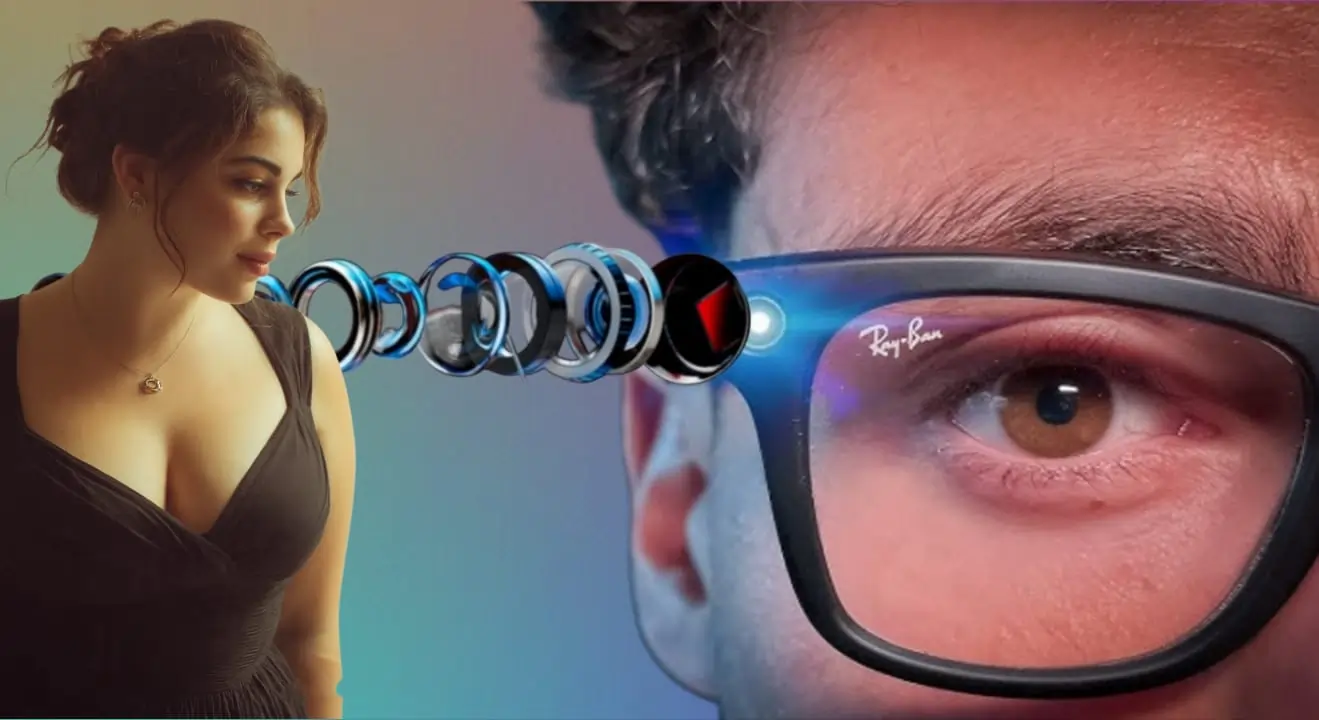
- Women Filmed Without Consent
- Social Media Fuels Harassment
- Technology and Misuse
Article Today, London:
Smart glasses equipped with hidden cameras are raising serious privacy concerns across the United Kingdom. What was introduced as a wearable convenience tool is now being misused to record people without their knowledge. These videos are later shared on social media platforms, triggering widespread debate on consent, safety, and accountability.
A Viral Incident
A London-based woman, Dilara, recently discovered that she had been filmed without her consent while having a meal in a public place. A man wearing smart glasses engaged her in conversation and secretly recorded the interaction. The video was later uploaded to TikTok, where it received over a million views. She realised the breach only after strangers began contacting her.

Personal Details Exposed
The situation worsened when Dilara noticed that her mobile number was visible in the video. As a result, she began receiving repeated calls and messages, many of them abusive. Meanwhile, she reported feeling unsafe in public spaces, stating that the viral clip had stripped her of personal security.
Another Victim Emerges
In addition, a 56-year-old woman named Kim faced a similar violation while visiting a seaside location. A content creator recorded her conversation under the guise of collecting dating advice. The footage was posted online and gained millions of views across platforms. Soon after, details about her work and family surfaced online, leading to further harassment.
Role of Smart Glasses
Both incidents involved smart glasses produced by Meta in collaboration with Ray-Ban. These devices allow hands-free video recording and are marketed as lifestyle accessories. Although the company states that a small indicator light signals recording, users have reportedly concealed it. Sales of the device have increased rapidly since late 2023.
Harassment Fallout
However, the consequences for victims have been severe. Both women reported receiving explicit messages and unsolicited visits. Some individuals approached them using phrases taken directly from the videos. The recordings, taken for online engagement, have caused lasting emotional distress.
Legal Grey areas
Currently, British law permits video recording in public spaces under certain conditions. Therefore, enforcement agencies face challenges when addressing such complaints. Victims argue that existing laws have not kept pace with evolving technology. Social media platforms have also been criticised for delayed action in removing reported content.
Growing Concerns
Meanwhile, digital safety experts warn that misuse of wearable technology could increase if regulations remain unclear. They stress the need for stricter guidelines, clearer consent rules, and faster platform response mechanisms. As technology becomes more discreet, concerns over privacy violations are likely to intensify.
Call for Safeguards
Therefore, campaigners are urging governments and technology companies to prioritise user safety. Without stronger safeguards, they warn, public spaces may become increasingly unsafe, especially for women. The incidents underline the urgent need to balance innovation with fundamental rights to privacy.