
- Digital Trackers Fuel Anxiety
- Guilt Worsens Sleep Quality
- A Natural Process Under Pressure
Article Today, Hyderabad:
Sleep is a basic biological function. However, in modern urban life, it has become a performance metric. Many people now treat sleep as a target to achieve rather than a natural process to experience. Doctors say this shift has created a new psychological pattern known as “sleep shame.” It refers to the guilt and anxiety people feel when they believe they are not sleeping enough.
Anxiety About Missing Hours
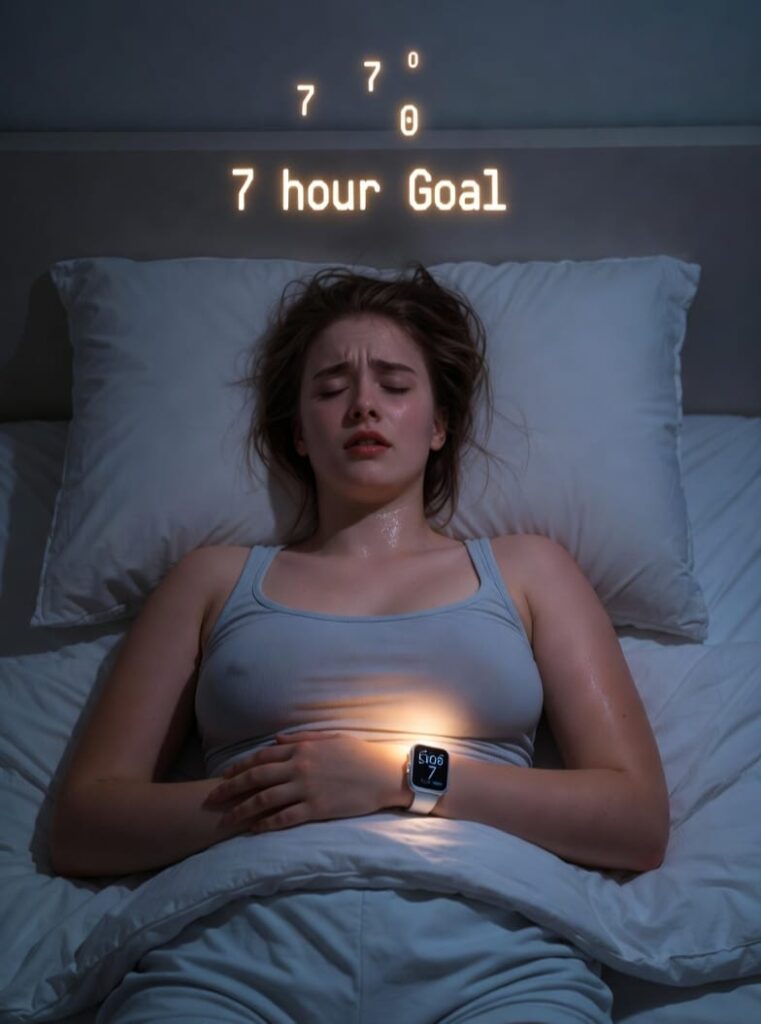
Medical guidelines recommend seven to eight hours of sleep for healthy adults. Yet many individuals fail to meet this benchmark. As a result, they begin to worry about long-term health risks. This fear keeps the brain alert at night. Consequently, the very anxiety about not sleeping prevents sleep from occurring. Experts describe this as a cycle of hyper-awareness that disrupts natural rest.
Digital Devices Add Pressure
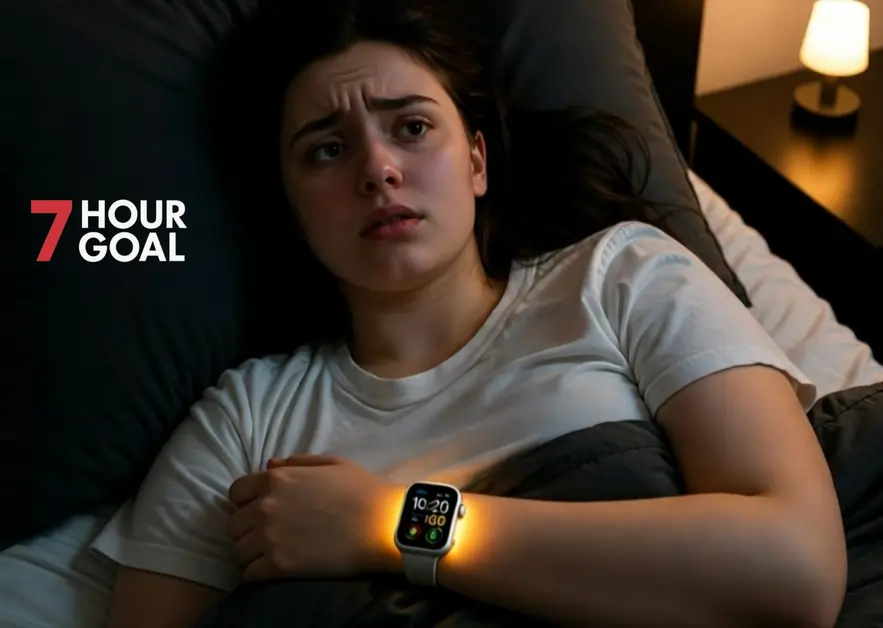
Meanwhile, smart watches and fitness bands track sleep in precise numbers. They measure deep sleep, light sleep and interruptions during the night. Although these devices aim to promote awareness, they can intensify stress. When the data shows less than seven hours, users often feel disappointed or alarmed. Therefore, sleep becomes a graded performance rather than a restorative experience.
Health Impact of Sleep Loss
Insufficient sleep affects physical health. Research links chronic sleep deprivation to reduced immunity and higher cardiovascular risk. Some studies suggest that people who consistently sleep less face a greater likelihood of heart disease. In addition, poor sleep contributes to hypertension and metabolic disorders. Stress hormones such as cortisol rise when anxiety persists, which further disrupts sleep patterns.
Social Comparisons and Myths
Social attitudes also play a role. Some people view short sleep as a sign of productivity. Others associate long sleep with laziness. These conflicting beliefs create confusion. Individuals compare their sleep habits with peers. This comparison increases mental strain. Over time, the bedroom becomes a place of pressure rather than relaxation.
Economic and Workplace Effects
Sleep problems extend beyond personal health. Fatigue reduces workplace productivity. Employers report higher error rates and accidents among sleep-deprived staff. Therefore, sleep quality has economic implications as well. Public health experts warn that untreated sleep anxiety may place a burden on healthcare systems.
Breaking the Cycle
Specialists recommend reducing focus on nightly sleep numbers. They advise maintaining a consistent bedtime routine and limiting screen exposure before sleep. A dark, cool and quiet environment supports natural rest. Most importantly, experts stress that sleep cannot be forced. It occurs when the mind and body relax.
Sleep shame reflects a broader cultural shift toward constant measurement. However, health professionals emphasise that rest should not become a competition. When anxiety decreases, sleep often returns on its own.