

- Excess Intake Risks Kidneys
- Weight Loss Myths Exposed
- Processed Protein Under Scrutiny
- A Growing Dietary Obsession
Article Today, Hyderabad:
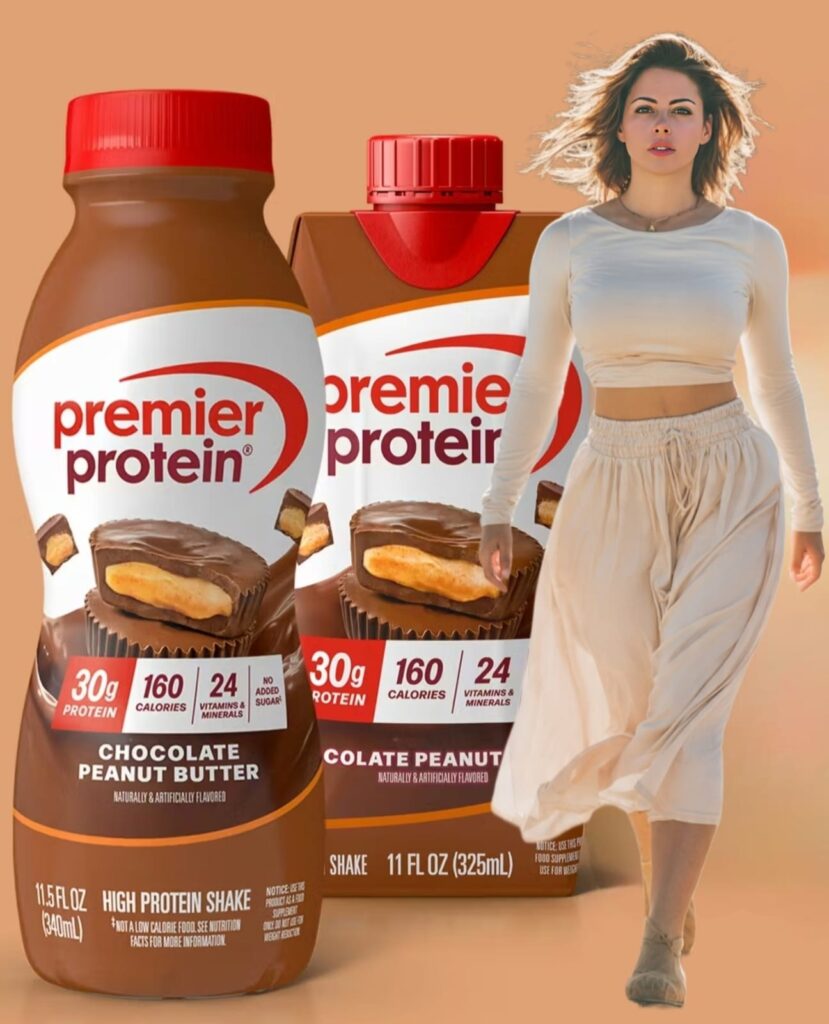
The pursuit of weight loss and muscular physique is driving many young Indians towards excessive protein consumption. Fitness influencers and food companies promote protein shakes and high-protein foods as a universal solution for fat loss and muscle gain. However, health experts warn that this one-size-fits-all approach is medically unsound. For many, the trend is creating new health risks instead of delivering fitness benefits.
Marketing Overtakes Nutrition Science
Packaged foods marketed as protein-rich now include biscuits, chips, and even chocolates. These products are often highly processed and contain added sugars, salts, and chemical additives. Doctors caution that the focus on protein grams alone ignores overall nutritional quality. As a result, consumers are unknowingly replacing balanced meals with ultra-processed foods that strain metabolic health.
Misreading Body Weight Calculations
A common error lies in calculating protein needs based on current body weight rather than target healthy weight. For individuals aiming to lose fat, the excess body weight largely consists of adipose tissue, which does not require protein support. Consuming protein for the higher weight leads to surplus calories. Consequently, weight loss stalls despite strict dieting.
When Excess Becomes Harmful
Medical guidelines suggest that adults attempting weight reduction need about one to 1.2 grams of protein per kilogram of target body weight per day. Intake beyond this threshold offers no added benefit. Instead, excess protein contributes additional calories and metabolic waste. Over time, this increases pressure on the kidneys, particularly among those with undiagnosed renal vulnerability.
The Overlooked Role of Dietary Fiber
Protein-heavy diets often lack sufficient fiber, an essential component for digestion and metabolic balance. Whole foods such as pulses, vegetables, and grains provide both protein and fiber. In contrast, liquid protein shakes fail to induce satiety. This leads to frequent hunger and overeating, undermining weight management efforts.
Listening to Physiological Signals
Nutrition experts stress that bodily cues such as hunger and fullness are more reliable than mobile apps and rigid targets. Eating beyond satiety solely to meet protein goals can disrupt natural appetite regulation. Traditional Indian diets, which relied on diverse whole foods, supported strength and endurance without supplements. Modern dietary shortcuts are distancing people from this balance.
Long-term Health Over Quick Results
Short-term dietary experiments rarely produce sustainable outcomes. Health professionals emphasize consistent lifestyle habits, adequate sleep, and regular physical activity as foundations of weight control. Excessive protein intake over prolonged periods may burden kidney function. Therefore, balanced home-cooked meals remain the safest approach to achieving lasting health and healthy weight reduction.