
- High Priced Slum Tours
- Ethics Debate Intensifies Worldwide
- Rising Interest in Dharavi
Article Today, Mumbai:
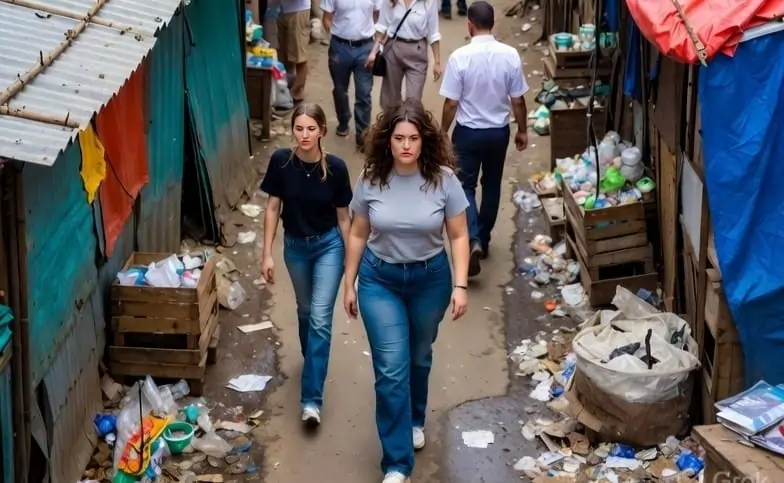
Narrow lanes in Mumbai’s Dharavi are drawing increasing numbers of foreign and domestic visitors. Tour operators now market guided walks through one of Asia’s largest informal settlements. These tours present daily life, small industries, and living conditions to paying guests. The trend has sparked debate about ethics and representation.
Commercialization of Hardship
Tour packages typically cost between Rs. 1,000 and Rs. 1,500 for standard group visits. Private tours can go up to Rs. 15,000. Visitors walk through residential clusters, recycling units, pottery workshops, and small manufacturing spaces. Guides explain local livelihoods and population density. However, critics argue that poverty itself has become a selling point.
Scale and Economic Context
Dharavi spans roughly two square kilometres and houses an estimated one million residents. It supports thousands of small-scale industries, including leather, pottery, and recycling. Local estimates place its annual economic turnover at more than Rs. 8,000 crore. Despite this economic activity, basic infrastructure challenges remain visible. Therefore, tours often highlight contrasts between enterprise and deprivation.
Regulations and Local Impact
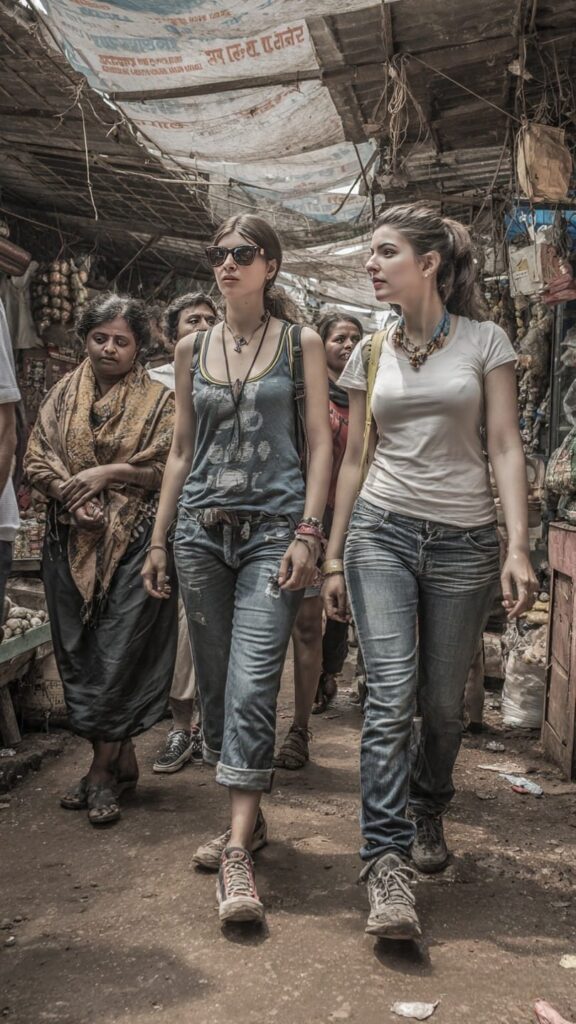
Many operators prohibit photography during visits. They say this protects residents’ privacy. However, questions remain about how much revenue reaches the community. Local residents have mixed views. Some benefit through employment as guides or workers in showcased units. Others say the financial gains largely flow to private operators.
Global Debate on Slum Tourism
Internationally, the practice is known as slum tourism or, in some cases, dark tourism. It involves organised visits to economically disadvantaged neighbourhoods. Supporters argue that such tours raise awareness about urban inequality. Meanwhile, critics say they risk reducing complex communities to spectacles of poverty.
Ethical Concerns Continue
The debate centres on dignity and consent. Observers question whether hardship should be packaged as an experience. However, tour organisers maintain that they follow guidelines and present factual narratives. Authorities have not announced specific restrictions on such tours. Therefore, the discussion over regulation and community benefit is likely to continue. As visitor numbers rise, Dharavi remains at the centre of a broader conversation about tourism, inequality, and responsible engagement.