

- Fibre Loss Weakens Satiety Signals
- Insulin Spikes Increase Metabolic Stress
- A Growing Dietary Misconception
Article Today, Hyderabad:
Many people begin their day with a glass of fruit juice, believing it improves health. However, this assumption is increasingly being questioned. Nutrition research shows that fruit juices and smoothies often deliver high amounts of sugar and calories in concentrated form. As a result, they may contribute to weight gain and metabolic imbalance rather than overall wellbeing.

The Problem With Liquid Sugars
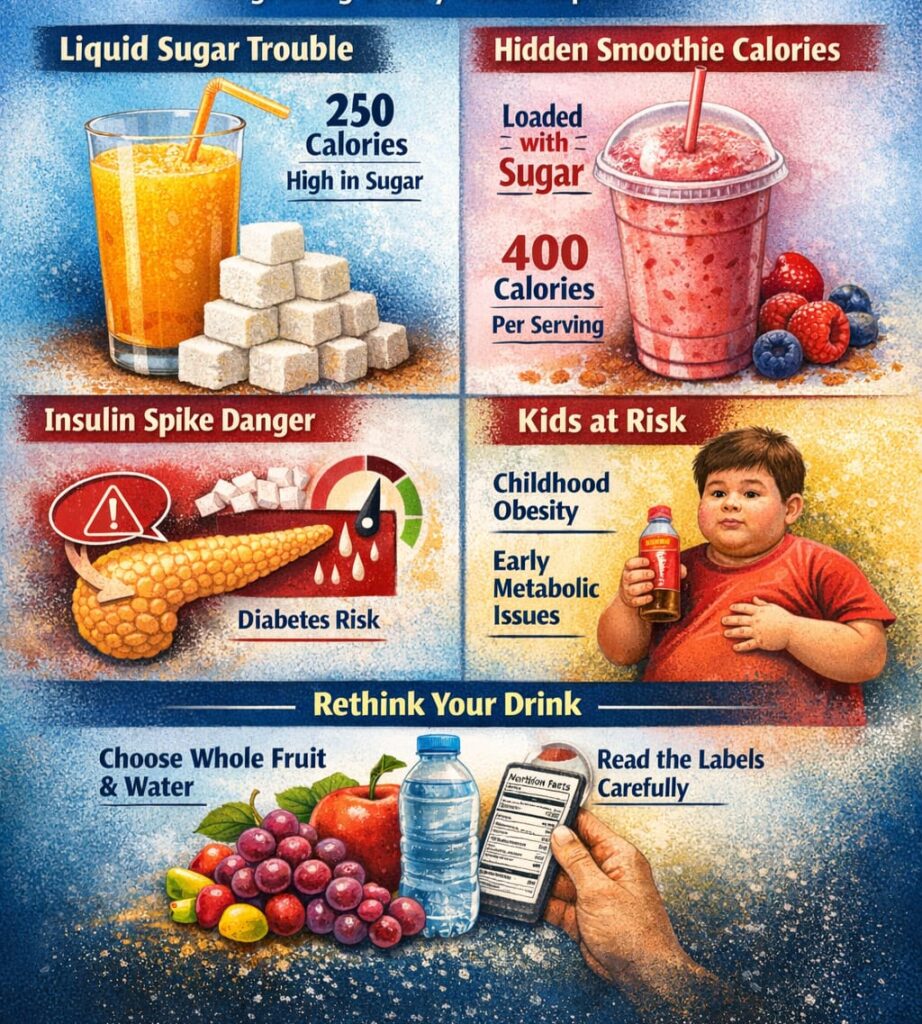
When fruits are converted into juice, most of their fibre content is lost. Fibre plays a key role in slowing sugar absorption and promoting fullness. Without it, sugars enter the bloodstream rapidly. For instance, a standard glass of orange juice contains significant sugar and calories but does not provide the same satiety as whole fruit. Therefore, individuals may consume more calories without realising it.
Smoothies and Hidden Calories
Smoothies are widely marketed as healthy options. However, packaged versions often contain high calorie counts and added sugars. In many cases, a single serving can equal the energy content of a full meal. Meanwhile, consumers may underestimate their intake because these drinks appear nutritious. Health experts, including Hyderabad-based physician Dr Satya Vandana, have raised concerns about these patterns of consumption.
Metabolic Impact and Fat Storage
Liquid calories are absorbed quickly by the body. This rapid intake can alter metabolic responses. In addition, excess calories from drinks such as protein shakes and energy beverages may accumulate as body fat. Over time, this reduces the body’s efficiency in burning stored fat. Therefore, frequent consumption of such drinks can disrupt metabolic balance.
Insulin Response and Health Risks
Sugary beverages trigger a sharp rise in blood glucose levels. This leads to increased insulin production. Repeated spikes may raise the risk of developing metabolic disorders, including diabetes. In addition, carbonated drinks and sweetened coffee beverages often contain even higher sugar levels. These place additional strain on the pancreas and overall metabolic system.
Children and Early Exposure
The impact is particularly concerning among children. Many parents provide fruit juices assuming they are healthy. However, regular intake of high-sugar drinks can increase the risk of childhood obesity and early metabolic issues. Packaged juices often contain preservatives and added sugars, which may affect long-term health outcomes.
Rethinking Consumption Habits
Experts advise reading nutritional labels carefully and limiting intake of sweetened beverages. Whole fruits are considered a better option as they retain fibre and essential nutrients. In addition, water remains the safest and most effective drink for hydration. Therefore, informed choices about daily consumption can play a crucial role in maintaining long-term health.