- Journalists face Rising Threats
- Corruption Index Rank Slips
- Institutions Show Systemic Weakness
- A Dangerous Climate for Reporters
Article Today, New Delhi:
India’s media landscape is facing heightened scrutiny amid concerns over journalist safety and institutional accountability. Reports from global watchdogs show that journalists investigating corruption and governance failures continue to face intimidation. In several instances, threats escalate into physical attacks. This raises serious questions about the protection available to media professionals in the country.
According to data compiled by international monitoring groups, hundreds of journalists have been killed worldwide since 2012. A significant number of these deaths occurred in countries where transparency standards remain weak. While India is not alone in this trend, concerns persist over the vulnerability of reporters working on sensitive stories.
Corruption Perception Ranking
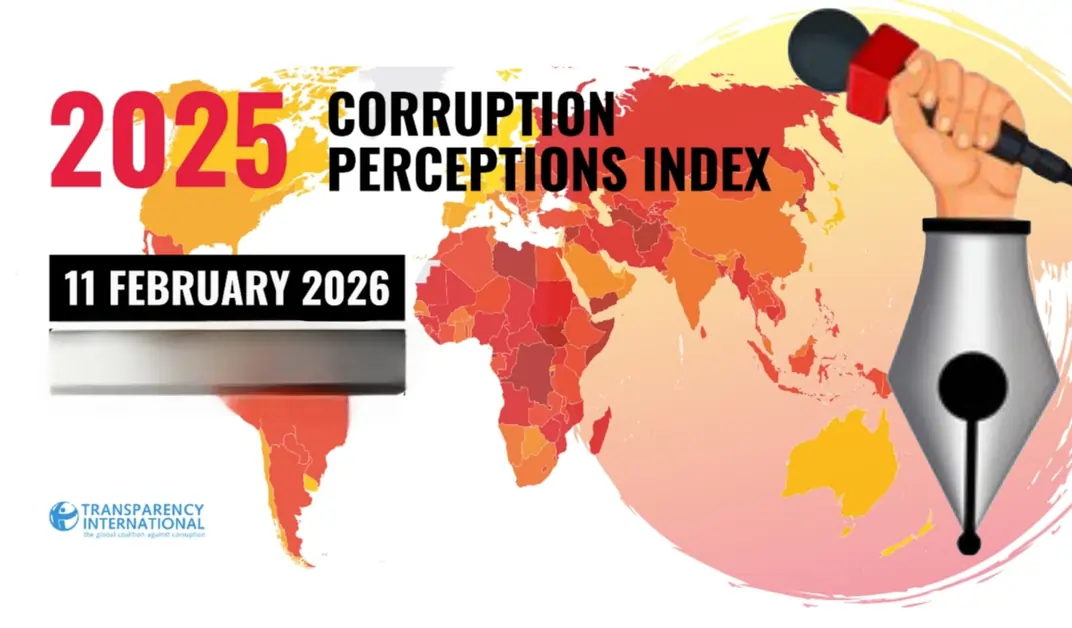
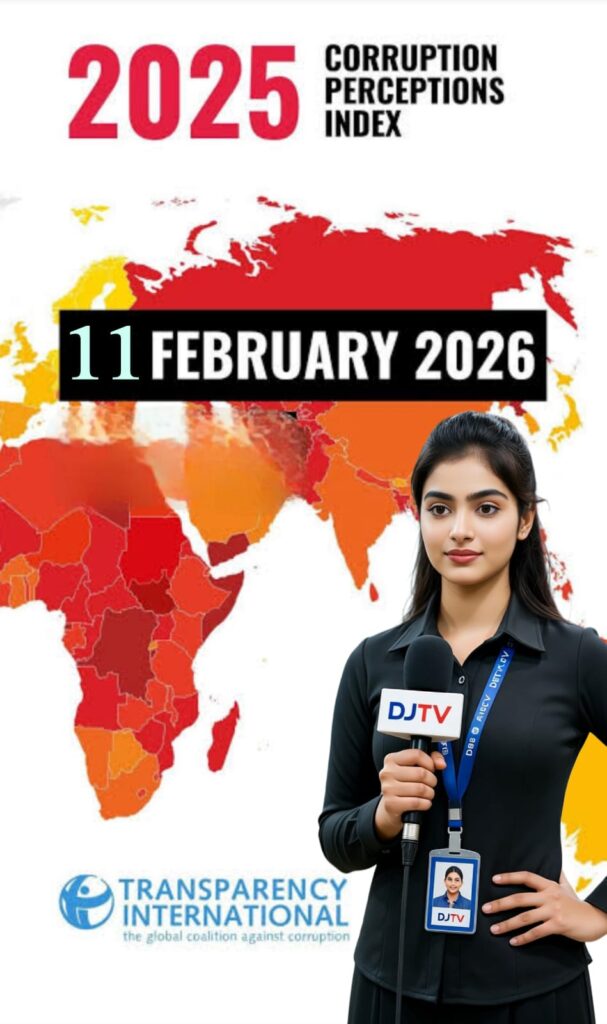
The latest Corruption Perceptions Index released by Transparency International ranks India 91st out of 182 countries. The country scored 40 out of 100. A score below 50 indicates perceived weaknesses in public sector integrity. This places India in the middle tier globally but signals room for improvement.
Meanwhile, several advanced economies also face challenges. The United States ranked 29th, while the United Kingdom stood at 20th. These rankings suggest that concerns over governance standards are not limited to developing economies. However, India’s position reflects ongoing institutional gaps that require corrective action.
Institutional Autonomy Under Strain
Experts argue that independent investigative agencies and oversight institutions must function without political interference. However, critics contend that enforcement bodies often appear selective in action. Allegations of delayed investigations and low conviction rates in corruption-related cases have further eroded public trust.
In addition, journalists reporting on municipal governance and local contracts frequently cite pressure from vested interests. Urban planning, land allocation, and public procurement remain high-risk beats. These sectors involve large financial stakes and limited transparency. Therefore, scrutiny in these areas often triggers pushback.
Impunity and Accountability
Data from global press freedom organisations show that impunity remains a persistent challenge in journalist killings. Conviction rates in such cases are often low across many jurisdictions. This weak enforcement framework emboldens perpetrators. Consequently, safety concerns extend beyond individual reporters to the broader media ecosystem.
However, India retains a diverse and active media sector. Courts continue to hear cases related to press freedom. Civil society groups actively campaign for stronger safeguards. These countervailing forces indicate that institutional remedies remain possible.
Economic Implications
Governance deficits have economic costs. Investors track corruption perception scores as part of risk assessment. A weaker ranking can influence capital flows and long-term investment decisions. Moreover, sustained concerns over institutional autonomy may affect policy credibility.
Therefore, systemic reform remains critical. Strengthening whistle-blower protection laws, ensuring timely prosecution, and enhancing transparency in public procurement could improve outcomes. In parallel, protecting journalists who expose wrongdoing is essential to democratic accountability.
India’s ranking and the reported attacks on journalists underline structural challenges. Addressing them requires coordinated action across the executive, judiciary, and civil society. Without credible reform, public trust in institutions will remain under pressure.