
- Study Links Timing to Mortality
- Eight Hour Eating Window Risk
- Experts Urge Dietary Caution
- Emerging Evidence on Meal Timing
Article Today, America:
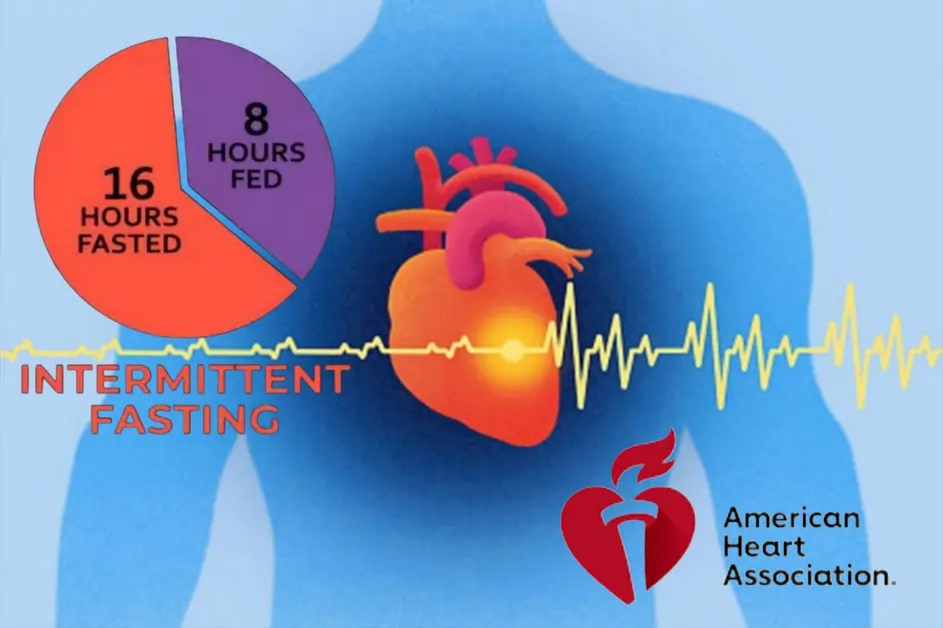
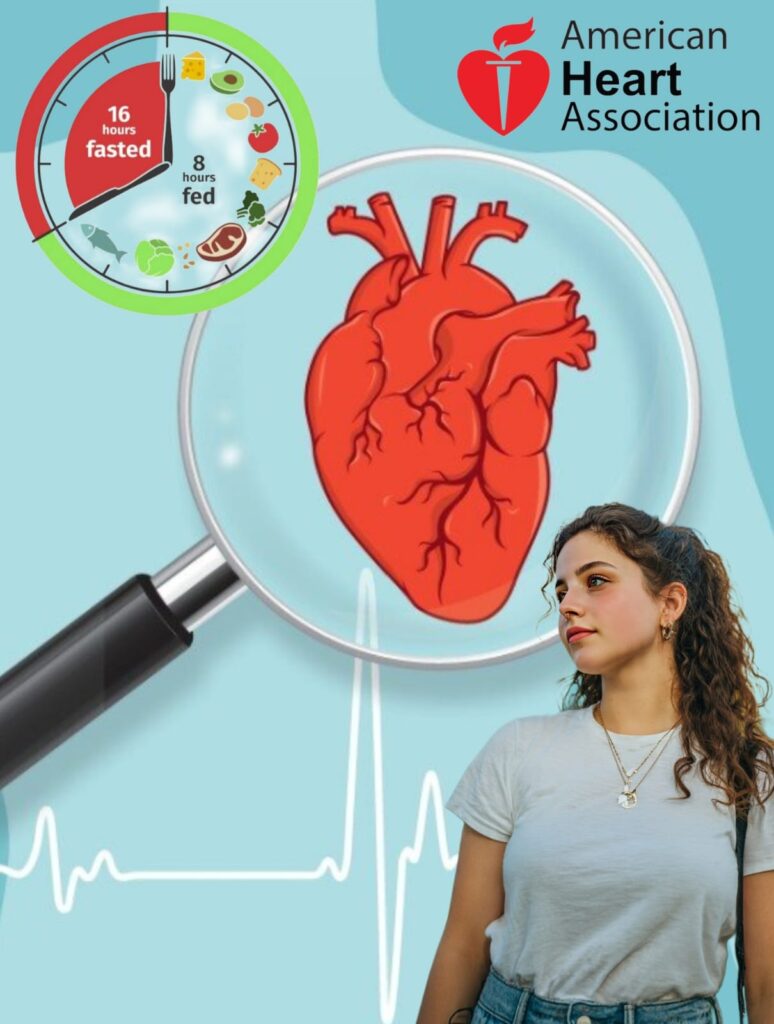
Intermittent fasting has gained global popularity as a weight loss strategy. Many individuals restrict food intake to an eight-hour window each day and fast for the remaining sixteen hours. However, new data presented by the American Heart Association suggest that this pattern may be associated with increased cardiovascular risk. The findings have triggered debate among clinicians and nutrition scientists.
Study Design and Data
Researchers analysed dietary and health data from nearly 20,000 adults in the United States. Participants were followed for up to 15 years. The analysis compared individuals who consumed all daily calories within eight to ten hours with those who spread meals across twelve to sixteen hours. The results showed a higher rate of death from cardiovascular causes in the shorter eating window group. According to the data presented, the risk of cardiovascular mortality was significantly elevated.
Interpreting the Risk Signal
The researchers reported that individuals following the eight-hour eating pattern had a 91 percent higher relative risk of dying from heart disease compared with those with longer eating windows. However, the study design was observational. Therefore, it does not establish direct causation. It identifies an association that requires further investigation. Confounding factors such as pre-existing illness, lifestyle habits, and socioeconomic status may influence outcomes.
Biological Mechanisms Under Review
Scientists are examining possible mechanisms behind the findings. Prolonged fasting may alter metabolic regulation. It can influence blood glucose levels, insulin response, and hormonal balance. In addition, irregular nutrient intake may affect muscle mass. Cardiac muscle integrity depends on adequate and consistent nutrient supply. Meanwhile, extended fasting may also affect blood pressure variability and inflammatory markers. These pathways remain under active study.
Vulnerable Populations
The data raise particular concern for individuals with existing cardiovascular disease or cancer. In such groups, metabolic stress may compound underlying risk. However, experts caution against broad generalisation. Not all forms of intermittent fasting are identical. Eating quality, caloric intake, and overall lifestyle matter. Therefore, personalised medical advice remains essential before adopting restrictive dietary regimens.
Limits of the Evidence
Importantly, dietary recall data were self-reported. Such data can introduce measurement error. Moreover, meal timing alone does not capture diet quality. Participants who ate within shorter windows may also have differed in physical activity, smoking patterns, or chronic disease burden. Further randomised controlled trials are needed to clarify whether meal timing independently affects cardiovascular outcomes.
Clinical Perspective
Cardiologists emphasise that balanced nutrition and regular physical activity remain the foundation of heart health. Extreme dietary practices may not suit every individual. Meanwhile, moderate caloric control combined with nutrient-dense foods shows consistent evidence of benefit. Physicians advise patients to consult healthcare providers before initiating prolonged fasting schedules.
Cautious Interpretation Required
The new findings do not invalidate all research on intermittent fasting. Some prior studies have suggested metabolic benefits under controlled conditions. However, this large-scale analysis highlights potential long-term cardiovascular concerns. Therefore, public enthusiasm for time-restricted eating should be tempered by scientific scrutiny. Ongoing research will determine whether meal timing itself is a risk factor or a marker of broader health behaviours.