
- A New Face in Place of the Old
- Possible Only with the Face of the Deceased
- Complex Surgery Within Year
- Lifelong Immune Suppression Required
Article Today, New Delhi:
The All India Institute of Medical Sciences (AIIMS), New Delhi, has initiated preparations to perform full face transplant surgery. This will be the first such procedure in a government hospital in India. The institute has received necessary regulatory clearances. Doctors aim to conduct the first transplant within a year. The procedure targets patients with severe facial disfigurement caused by burns, acid attacks, gunshot injuries, or trauma.

What the Surgery Involves
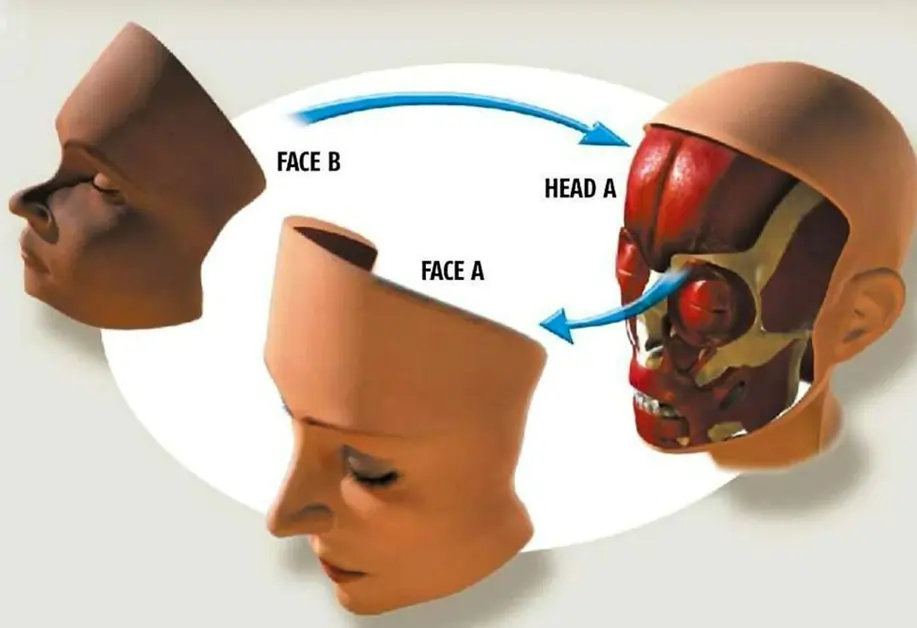
Face transplantation is not cosmetic surgery. It is a vascularised composite tissue transplant. Surgeons remove damaged facial skin and non-functioning muscles from the recipient. They then transplant skin, fat, muscles, blood vessels, and nerves from a deceased donor who has been declared brain-dead. The donor’s facial tissues are carefully matched for skin tone, age range, and biological compatibility. The result is a new facial structure that blends donor tissue with the recipient’s underlying bone framework.
Technical Complexity
The procedure demands high surgical precision. Operating teams work for nearly 16 hours. Surgeons connect arteries, veins, and nerves that measure one to two millimetres in diameter. Blood flow must resume quickly to prevent tissue death. Once circulation stabilises, the transplanted tissue begins to integrate. However, nerve regeneration takes months. Functional recovery, including facial movement and sensation, depends on successful nerve repair.
Immunological Challenges
Transplant rejection remains a major risk. The recipient’s immune system can attack the donor tissue. Therefore, patients must take lifelong immunosuppressive drugs. These medicines reduce rejection but increase vulnerability to infections and certain cancers. Doctors at AIIMS plan strict long-term monitoring. The balance between immune suppression and patient safety will determine long-term success.
Ethical and Psychological Dimensions
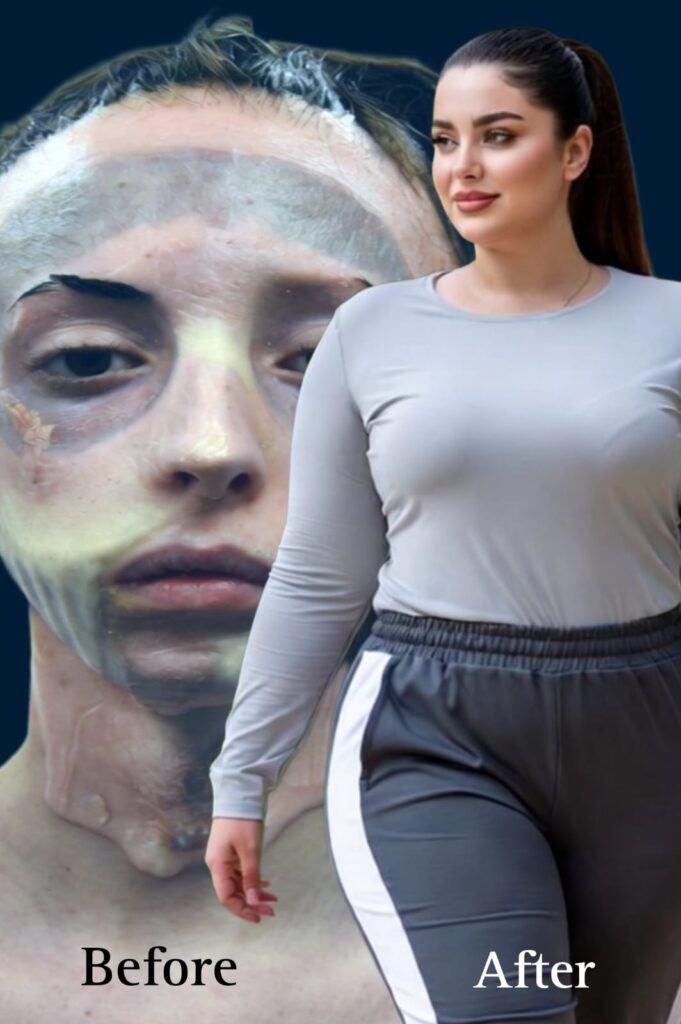
Face transplantation raises ethical and psychological concerns. The identity of the donor must remain confidential. The donor’s body is reconstructed with a silicone mask before final rites. Meanwhile, recipients undergo psychiatric evaluation before surgery. They must demonstrate psychological readiness to accept a new appearance. Although the transplanted face carries donor tissue, experts clarify that personality and memory do not transfer. However, adapting to a new appearance requires sustained counselling.
Cost and Accessibility
Globally, face transplants cost several crores of rupees. Most procedures occur in specialised centres in the United States and Europe. AIIMS intends to make the treatment more accessible within the public health system. Its burns unit already performs thousands of reconstructive surgeries each year. Nevertheless, face transplantation will demand additional infrastructure, training, and multidisciplinary coordination.
Measured Optimism
India’s entry into facial transplantation marks a significant development in reconstructive medicine. However, experts caution against viewing it as a routine solution. The surgery carries surgical, immunological, and psychological risks. Long-term outcomes depend on patient compliance and medical follow-up. Therefore, while the initiative signals scientific progress, its real impact will become clear only after sustained clinical results emerge.
If successful, the programme may redefine reconstructive options for patients with severe facial loss. Yet the medical community will watch closely. The procedure represents both a technical achievement and a continuing clinical experiment.