

- Elite Campus Under Scrutiny
- Donations Shadow Dark Network
- A Disturbing Association
Article Today, America:
Harvard University, one of the world’s most prestigious academic institutions, is facing renewed scrutiny over its past association with Jeffrey Epstein. Epstein, a convicted sex offender, cultivated relationships with influential academics and administrators even after his 2008 conviction for soliciting a minor. Internal reviews and public records indicate that financial contributions and personal access continued despite his criminal history. The episode has raised serious concerns about governance, accountability, and institutional ethics.

The Role of Elite Clubs
Particular attention has focused on the Hasty Pudding Club, a historic social organization associated with Harvard. Reports suggest that Epstein attended events and interacted with students and faculty through elite social circles. While the club operates independently, its proximity to the university community has intensified criticism. Observers argue that informal networks can create environments where oversight weakens and influence expands unchecked.
Money and Moral Judgment
Financial records show that Epstein directed donations to Harvard-linked programs and individuals. Some of these contributions continued after his conviction became public knowledge. University officials later acknowledged that accepting such funds reflected serious lapses in judgment. In response, Harvard pledged to redirect or return portions of the money. However, critics argue that institutional safeguards failed at a critical moment.
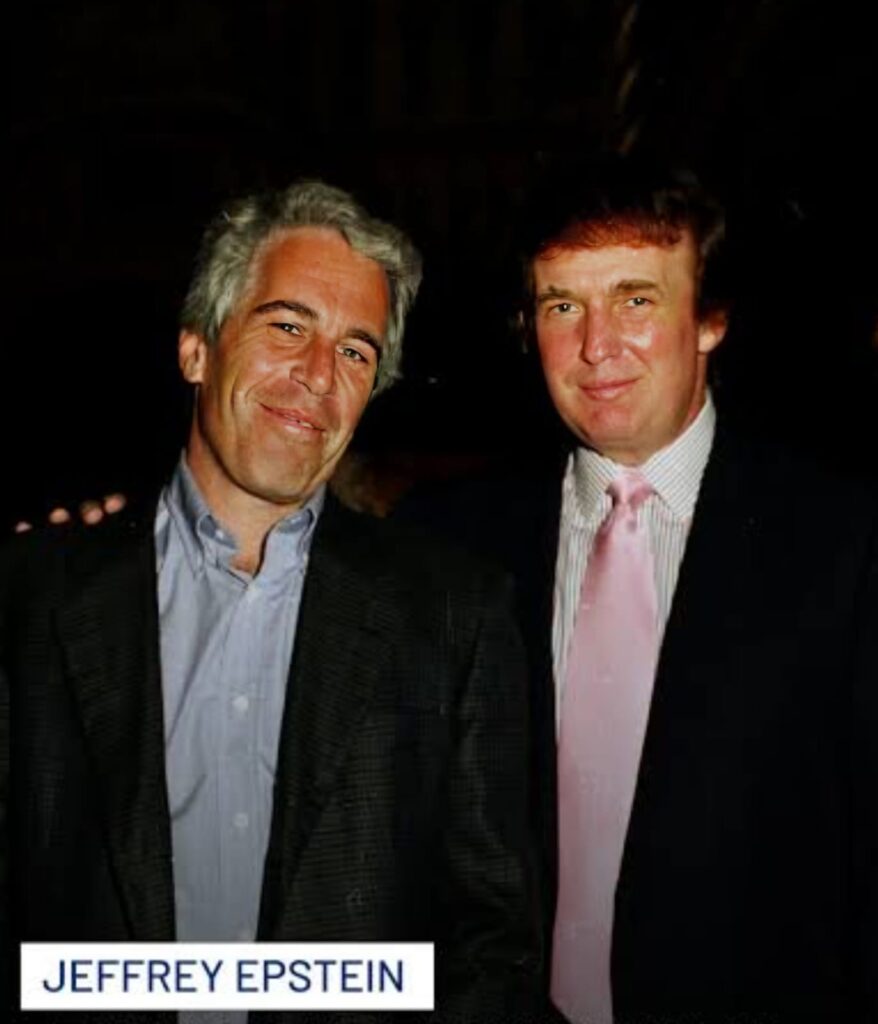
Access and Influence
Epstein sought legitimacy through association with prominent universities. By engaging respected scholars, he appeared to strengthen his public image. Several academics have stated that their interactions were limited to professional discussions. Nevertheless, the broader pattern suggests that elite endorsement can shield individuals from scrutiny. Therefore, the case illustrates how reputational capital may be exploited.
Allegations Beyond Donations
Separate investigations into Epstein’s activities have documented a pattern of trafficking and exploitation involving young women and minors. Some accounts refer to the use of educational or career opportunities as leverage. While no evidence has established that Harvard formally enabled illegal conduct, the proximity of influential spaces to a convicted offender has generated widespread criticism. Institutional responsibility, even indirect, remains under debate.
Wider Academic Connections
Harvard was not alone in its contact with Epstein. Other institutions, including Stanford and Columbia, have acknowledged past interactions. In some cases, donations were later returned. These developments suggest a broader issue within elite academic networks. Universities often compete for philanthropic funding. However, ethical screening processes may lag behind financial incentives.
Governance and Reform
Following public backlash, Harvard initiated internal reviews to examine its decision-making processes. The university pledged stronger vetting procedures for donors and clearer accountability mechanisms. Transparency measures were also expanded. Meanwhile, faculty and students have called for independent oversight to ensure that similar lapses do not recur.
Lessons for Higher Education
The Epstein case underscores structural vulnerabilities in global higher education systems. Prestigious institutions depend heavily on private funding. Consequently, reputational risks can intersect with financial priorities. Ethical governance requires vigilance, especially when donors carry legal or moral controversies. Universities serve as custodians of public trust. Therefore, their standards must remain higher than those of private entities.
The unfolding scrutiny continues to test Harvard’s commitment to reform. While institutional apologies have been issued, the episode has left a lasting imprint on its public image. Ultimately, the case stands as a cautionary example of how power, money, and prestige can converge in troubling ways when oversight weakens.