
- Brief Rage Harms Arteries
- Stress Hormones Disrupt Circulation
- Acute Emotional Trigger
Article Today, Hyderabad:
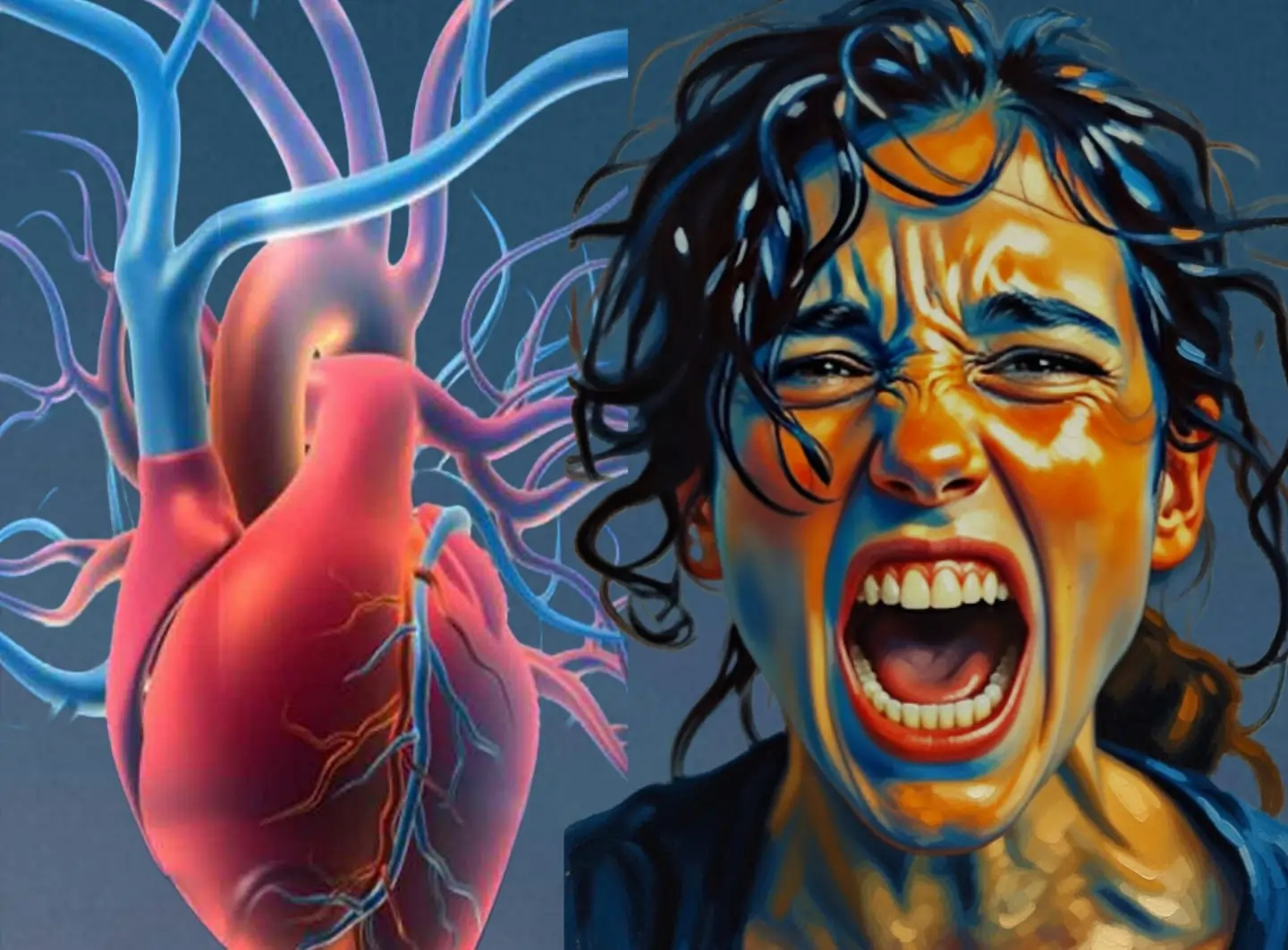
Anger is not merely a psychological state. It produces measurable physiological effects. Recent experimental evidence shows that even eight minutes of intense anger can impair vascular function. Researchers observed that short emotional stress episodes directly affect blood vessel performance. This finding strengthens the link between emotional health and cardiovascular risk.
Controlled Clinical Experiment
Scientists in the United States conducted a structured study on 280 healthy adults. Participants had no history of heart disease, diabetes, or hypertension. Researchers divided them into groups and exposed them to guided emotional recall tasks. One group was asked to relive past anger for eight minutes. Vascular measurements were recorded before and after the exercise. The anger group showed a marked decline in arterial dilation capacity.
Impaired Vessel Function
Healthy arteries expand to regulate blood flow. This expansion ensures stable oxygen supply to the heart and other organs. However, during anger episodes, this dilation ability reduced significantly. The impairment persisted for nearly 40 minutes after the emotional trigger ended. In comparison, sadness and anxiety did not produce the same degree of vascular dysfunction.
Hormonal Surge and Endothelium
Anger activates the body’s stress response. Hormones such as cortisol and adrenaline increase rapidly. These chemicals affect the endothelium, the inner lining of blood vessels. When the endothelium fails to relax properly, blood pressure rises. As a result, the heart works harder to pump blood. Repeated exposure to this state may gradually damage arterial walls.
Long-Term Cardiovascular Risk
A single anger episode may not cause permanent harm. However, frequent episodes reduce recovery time for the vascular system. Persistent stress can promote plaque formation inside arteries. Over time, this increases the risk of heart attack or stroke. Therefore, unmanaged anger may act as a cumulative cardiovascular burden.
Clinical Implications
The study highlights anger as a distinct cardiovascular trigger. While anxiety and sadness also influence health, anger produced the strongest vascular response. Researchers emphasise early behavioural intervention. Stress management techniques such as controlled breathing, regular exercise, and mindfulness practices can improve endothelial function. In addition, professional counselling may benefit individuals with chronic anger patterns.
Preventive Perspective
Cardiologists increasingly recognise emotional regulation as part of heart care. Physical health and mental states interact continuously. Therefore, preventive strategies must address both domains. Managing anger is not only a social skill. It is a measurable protective factor for cardiovascular health.