

- Asia Faces Severe Energy Crunch
- Governments Enforce Drastic Curbs
- War Triggers Supply Shock
Article Today, Hyderabad:
A widening war involving the United States, Israel and Iran has disrupted global oil flows. The closure of the Strait of Hormuz has choked a critical supply route. This narrow passage carries nearly a fifth of the world’s oil trade. As a result, Asian economies dependent on imports now face an acute energy shock.
Philippines Declares Emergency
The Philippines has declared a national energy emergency as the conflict enters its fourth week. The country imports nearly all its crude oil, mostly from Gulf nations. Current reserves may last only weeks. Therefore, the government is considering a four-day work week to conserve fuel. It has also warned against hoarding and ordered strict enforcement measures.
South Korea Imposes Curbs
Meanwhile, South Korea has introduced unusual restrictions to reduce power demand. Authorities have advised limited electricity use and daytime charging of devices. In addition, citizens are urged to reduce water use, including shorter bathing time. These measures reflect falling fuel supplies for power generation. The situation signals growing stress in advanced economies as well.

Thailand Cuts Consumption
In Thailand, the government has taken steps to reduce energy use in public offices. Officials have discouraged formal suits to limit air conditioning demand. Employees are encouraged to wear T-shirts instead. Moreover, citizens are urged to use stairs instead of lifts and reduce vehicle use. These actions aim to stretch limited fuel reserves amid supply disruptions.
Hormuz Blockade Impact
The closure of Hormuz has sharply increased transport costs. Iran is reportedly imposing high transit charges on limited movements. Consequently, shipping costs have surged across the region. Countries like Singapore, which rely entirely on imports, are under severe pressure. Several governments are now exploring rationing and demand control measures.
Prices Surge Globally
Oil prices have risen sharply in global markets. Analysts warn that crude could reach 150 dollars per barrel if disruptions continue. This would translate into significant cost increases for importing nations like India. However, even sustained levels above 120 dollars could slow global growth. Aviation and logistics sectors are already facing disruptions.
Regional Economies Strain
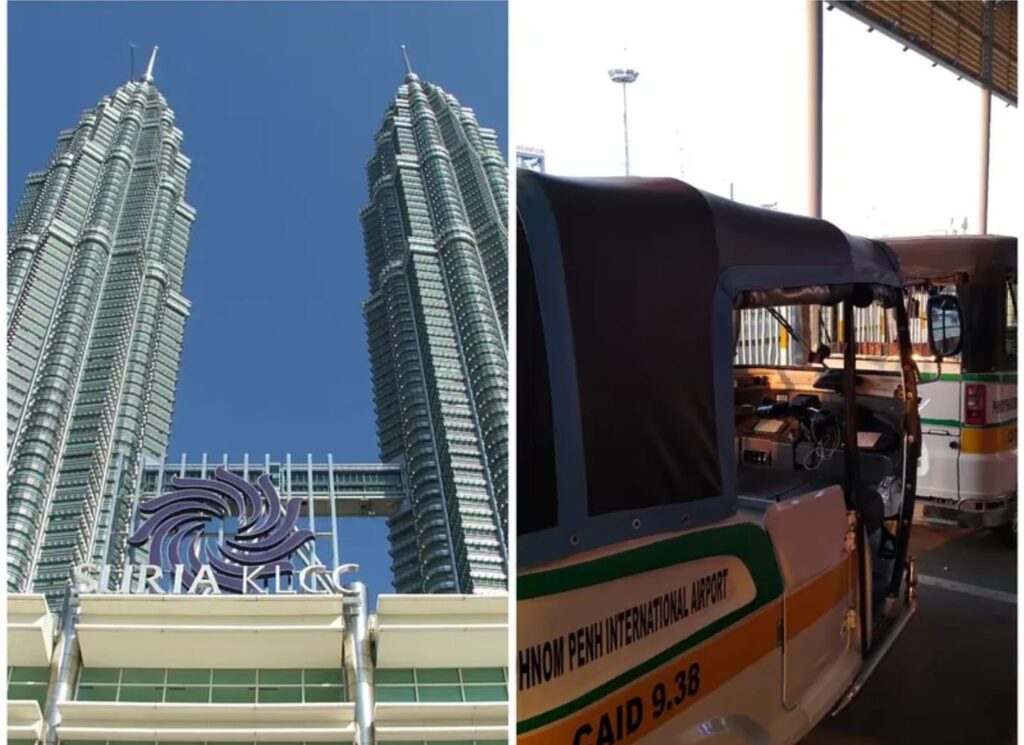
In addition, smaller economies are struggling with immediate shortages. Vietnam faces dwindling reserves, while Cambodia reports long fuel queues. Cooking gas prices have surged in several regions. Farmers in Thailand are reconsidering cultivation due to fuel scarcity. Meanwhile, export-oriented nations like Malaysia and Brunei may see short-term gains.
Global Uncertainty Deepens
However, the broader outlook remains uncertain. Diplomatic efforts continue, but tensions persist. Strategic reserves released by major economies have offered limited relief. Therefore, markets remain volatile. The crisis highlights the fragility of global energy dependence and the risks of geopolitical conflict on economic stability.