

- Old Method, Flawed Measure
- Labels Mislead Weight loss
- Nutrition Matters, Not Numbers
- An Old Method Under Scrutiny
Article Today, Hyderabad:
Counting calories to lose weight has become a global trend. However, scientists now say that the foundation of this practice is deeply flawed. Recent studies show that the calorie numbers people track daily do not accurately reflect the energy the human body actually absorbs from food.

Calories Are Not Combustion
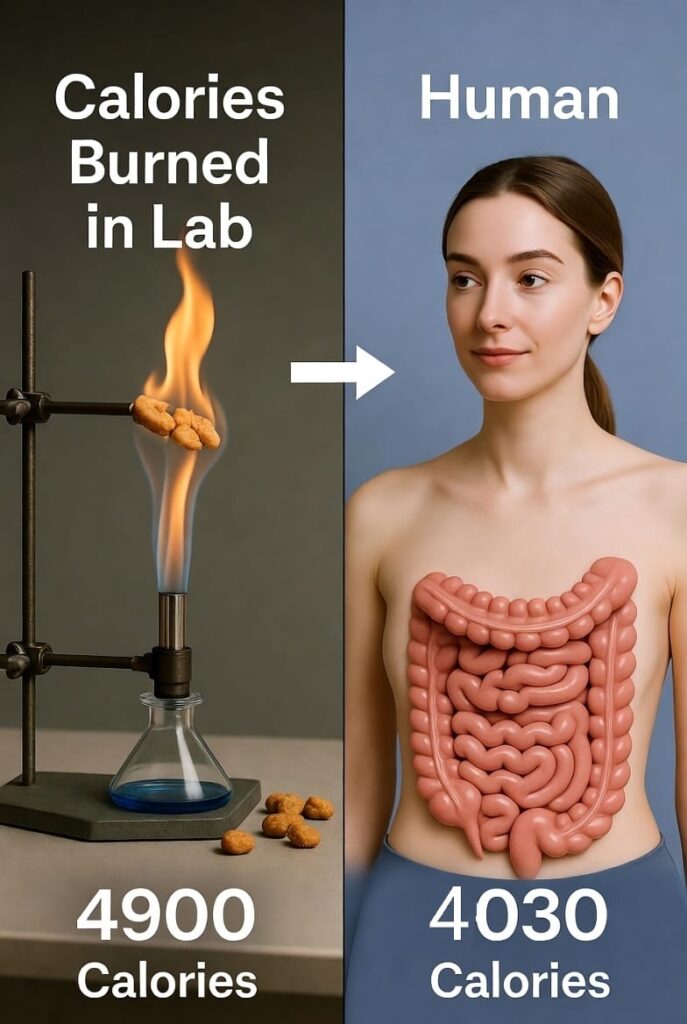
The calorie system is based on how much heat food produces when burned in a laboratory. In contrast, the human body does not burn food. It digests it through complex biological processes. Therefore, the energy released during digestion is very different from the heat produced in controlled combustion experiments.
A Century-old Calculation
The current calorie estimation model was developed more than a hundred years ago. It measures energy using a device that incinerates food samples. Meanwhile, human digestion involves enzymes, gut bacteria, and metabolic pathways. As a result, a significant portion of measured calories is never absorbed by the body.
Digestion Costs Energy
In addition, digesting food itself requires energy. Foods rich in fibre demand more digestive effort, which reduces net calorie gain. Therefore, two foods with the same labelled calories can deliver very different amounts of usable energy.
Cooking Changes Absorption
Cooking further alters calorie availability. When food is cooked, its cellular structure breaks down. This allows the body to absorb energy more easily. Consequently, cooked foods often provide more usable calories than raw versions of the same item.
The Almond Paradox
Research on nuts offers a clear example. Almonds are labelled as high-calorie foods. However, studies show that the body absorbs far fewer calories from whole almonds than labels suggest. Much of the energy remains trapped within rigid cell walls and passes through the digestive system unused.
Gut Bacteria Influence Weight
Meanwhile, gut microbiota play a decisive role in calorie absorption. Different individuals host different bacterial communities. These microbes consume part of the energy from food. Therefore, identical diets can produce different weight outcomes among people.
Processed Foods Absorb Fully
In contrast, highly processed foods are almost completely absorbed by the body. This makes them more likely to contribute to weight gain, even if their calorie counts appear moderate. Food labels also add to confusion. Governments permit calorie values on packaged foods to deviate by up to 20 percent. This means consumers may unknowingly eat far more or far less energy than they believe.
Focus Shifting to Nutrition
Therefore, health experts now urge a shift in focus. Instead of obsessing over calorie numbers, they recommend prioritizing food quality, nutrient density, and natural ingredients. Fruits, vegetables, whole grains, and minimally processed foods remain the most reliable path to sustainable health and weight management.