

- Researchers Question Intense Workouts
- WHO Flags Inactivity Deaths
- Rethinking Longevity
Article Today, Hyderabad:
For decades, gyms have symbolised modern fitness. However, new research on long-living communities challenges that assumption. Scientists studying so-called Blue Zones report that structured, high-intensity workouts are not central to longevity. Instead, consistent daily movement appears more important.
Lessons From Sardinia
One such region is Sardinia in Italy. The island records an unusually high number of centenarians. Residents live in hilly villages. They walk daily across uneven terrain. Physical activity forms part of routine life, not a scheduled exercise session. Researchers say this pattern strengthens cardiovascular health over decades.
Okinawa’s Parallel
A similar pattern appears in Okinawa, Japan. Older adults remain socially active and mobile. They engage in gardening and community gatherings. They eat plant-rich diets. Formal gym culture plays a limited role. However, movement continues throughout the day.

Austad’s Shift
Biologist Steven Austad has studied ageing for decades. He previously supported structured strength training. After observing centenarians in Sardinia, he reconsidered. He noted that many older residents had never attended a gym. Yet they retained mobility and independence. He concluded that moderate, sustained movement may reduce long-term injury risk.
Risks of Overtraining
Meanwhile, hospitals report sports-related injuries among younger adults. Intense weight training can strain joints and ligaments. Experts caution against extreme regimens without supervision. They argue that fitness culture often prioritises appearance over durability. Therefore, moderate walking may offer safer long-term benefits.
Inactivity Crisis
The concern extends beyond gyms. According to the World Health Organization, physical inactivity contributes to roughly three million deaths globally each year. Sedentary lifestyles increase the risk of heart disease, diabetes and certain cancers. Urban design and screen-based work limit daily movement. Public health officials urge simple behavioural changes.
Diet and Community
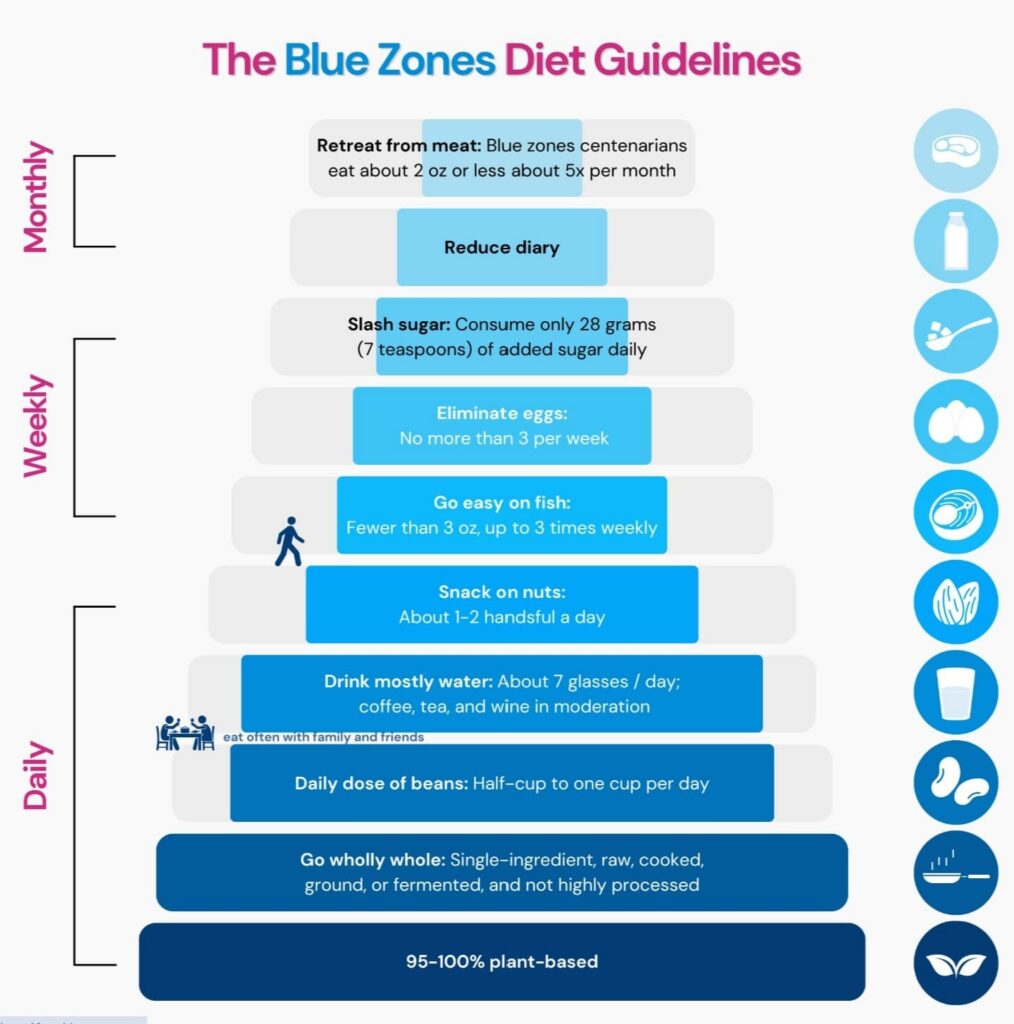
In addition, diet and social structure matter. Blue Zone populations consume vegetables, legumes and whole grains. They maintain strong social networks. Researchers link these habits to lower stress and improved mental health. Therefore, longevity reflects lifestyle patterns, not isolated workouts.
A Practical Approach
Experts recommend at least 30 minutes of brisk walking daily. They advise integrating movement into routine tasks. Climbing stairs, gardening and household work count as exercise. However, they stress consistency over intensity. Long life, they argue, depends on sustainable habits.
The evidence suggests a recalibration of modern fitness culture. Structured exercise has value. Yet daily walking and active living may prove more effective for long-term health.