Article Today, Hyderabad:
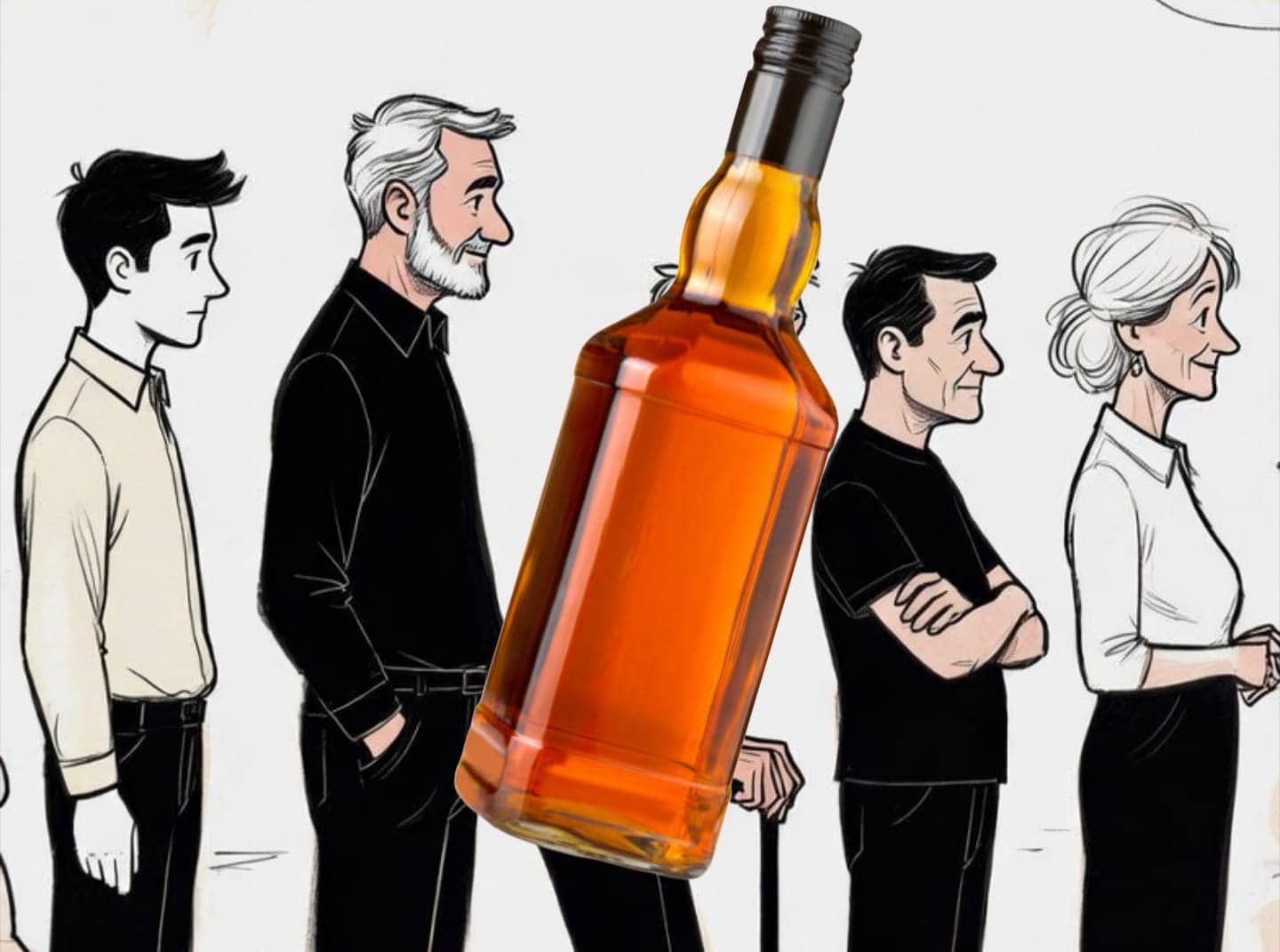
In early youth, the body appears to handle alcohol with relative ease. However, medical experts say this tolerance declines steadily with age. As the digestive system slows down, especially the functioning of the liver, alcohol begins to produce stronger and more harmful effects. Doctors state that drinking at 50 or 70 years causes far greater damage than the same intake at 20.
Impact on the Developing Brain
The human brain continues to develop until about the age of 25. During this period, heavy alcohol consumption can interfere with brain wiring and impair areas responsible for thinking, emotional control, and decision-making. Studies show that excessive drinking in the twenties can reduce the size of key brain regions by 10 to 15 per cent. As a result, memory loss, blackouts, and frequent headaches become common. Moreover, the risk of alcohol dependence is reported to be three times higher among those who drink heavily in their youth.
Health Strain in the Thirties
After the age of 30, the body’s metabolic rate slows down. At this stage, alcohol contributes to rapid fatigue and weight gain. Doctors also warn of its harmful effect on fertility. Even three pegs a week can disturb ovulation in women. In men, alcohol lowers testosterone levels and weakens sperm quality, increasing the chances of reproductive problems.
Cancer Risks in Midlife
Alcohol consumption becomes particularly dangerous in the forties. Medical evidence shows that every drink during this phase increases the risk of breast cancer by 7 to 10 per cent and colorectal cancer by up to 17 per cent. In addition, conditions such as high blood pressure, diabetes, and fatty liver often begin during this period. Alcohol worsens all these disorders. Among women, hormonal fluctuations during this age are further intensified by drinking, making symptoms such as hot flushes more severe.
Drug Interaction Dangers After Fifty
Beyond the age of 50, the liver’s ability to recover from damage declines sharply. Fatty liver can rapidly progress to cirrhosis at this stage. Meanwhile, many people begin regular medication for blood pressure, diabetes, and cholesterol. Alcohol interacts dangerously with these medicines, leading to abnormal liver enzyme levels, severe headaches, and sudden drops in blood pressure. Doctors warn that such reactions can prove life-threatening.
Severe Risks in Old Age
After 60, alcohol is considered a direct threat to health. It weakens the immune system, which is already in natural decline with ageing. Research indicates that heavy drinking at this stage can raise the risk of dementia by nearly 70 per cent. In addition, weakening muscles and poor balance increase the likelihood of falls. Alcohol further doubles the risk of bone fractures in elderly individuals.
Medical Advice for the Elderly
Doctors stress that no medical institution recommends alcohol consumption after 70 years of age. At this stage, the risks clearly outweigh any perceived benefit. Health experts consistently advise the elderly to avoid alcohol completely in order to protect their remaining years from preventable illness and injury.