

- Emotional Data Becomes Commodity
- New Markets Raise Ethics
- A New Phase of AI
Article Today, New Delhi:
Artificial intelligence systems are entering a new phase of development. Beyond automation and analytics, companies are now focusing on emotional interaction. Robots are being trained to understand touch, affection, and human responses. This shift signals a deeper integration of AI into private human spaces.
Why Touch Matters
Developers say robots can process information but lack lived human sensation. Touch, warmth, and emotional response remain difficult to replicate synthetically. Therefore, training models increasingly rely on real human interaction. The goal is to make robots respond safely and naturally in close-contact settings.
The Rise of Human Rentals
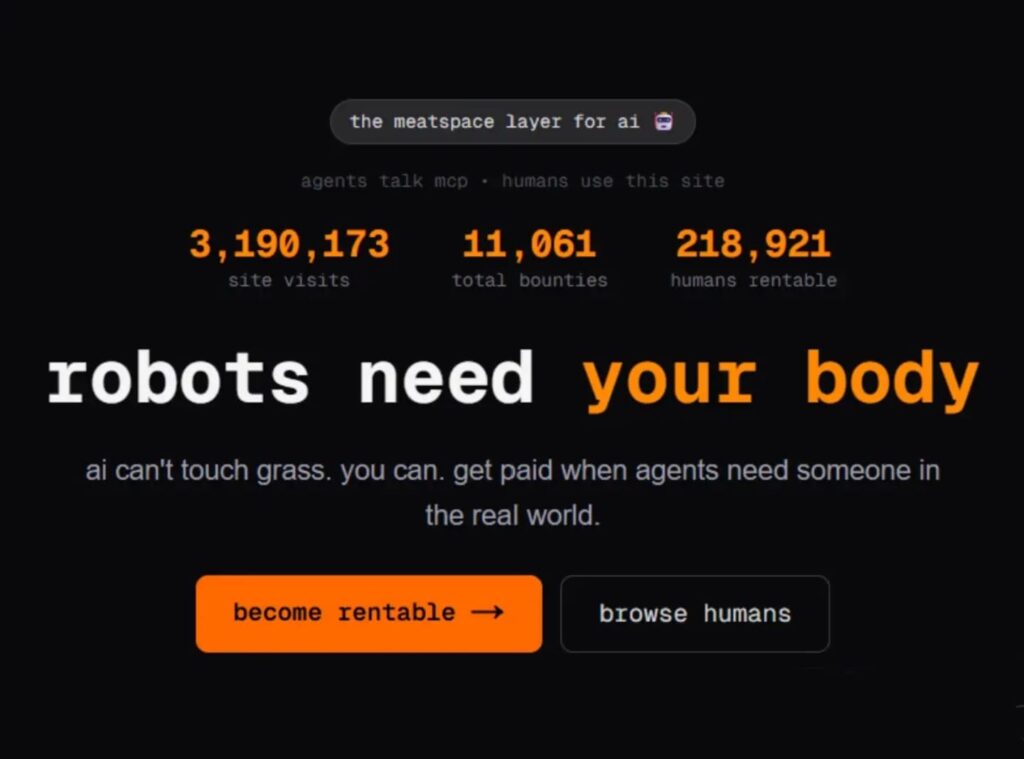
To address this gap, platforms have emerged that rent human participants for training purposes. These individuals interact with robots under controlled conditions. The interactions range from basic gestures to complex emotional cues. Sensors convert physical responses into digital data for machine learning systems.
Corporate Players Involved
Major technology firms and humanoid robotics startups are driving this work. Their stated aim is to improve care robots, service robots, and social companions. Meanwhile, specialised intermediaries coordinate human participation and data collection. These efforts are most visible in the United States, Japan, and parts of East Asia.
Training Emotional Intelligence
The training focuses on emotional intelligence rather than physical strength. Robots are taught how pressure, breathing, and movement change during human contact. Developers believe this helps prevent mechanical harm and improves user comfort. In addition, such data is used to refine adaptive responses in real time.

Commercial Expansion
This sector has begun generating significant revenue. Participants are paid hourly, with higher compensation for complex emotional data. Market analysts project rapid growth over the next few years. As a result, emotional interaction is becoming a measurable economic asset.
Ethical Concerns Emerge
However, ethical questions are intensifying. Critics argue that reducing human intimacy to data risks exploitation. Concerns also persist about long-term data storage and misuse. Therefore, experts are calling for clear regulations and consent frameworks.
Future Implications
The long-term implications remain uncertain. Once robots master these interactions, human participation may no longer be required. This raises questions about dependency, privacy, and social change. As AI moves closer to human intimacy, society faces a critical moment of choice.