
- Civilian Risks Rise in Conflicts
- Accountability Questions Haunt Military AI
- AI Enters The Battlefield
Article Today, Hyderabad:
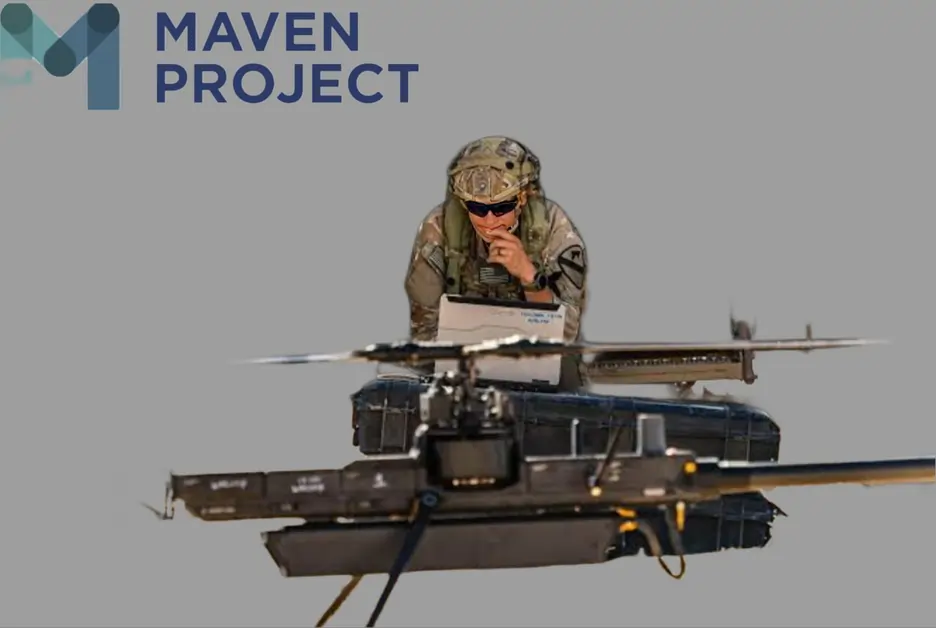
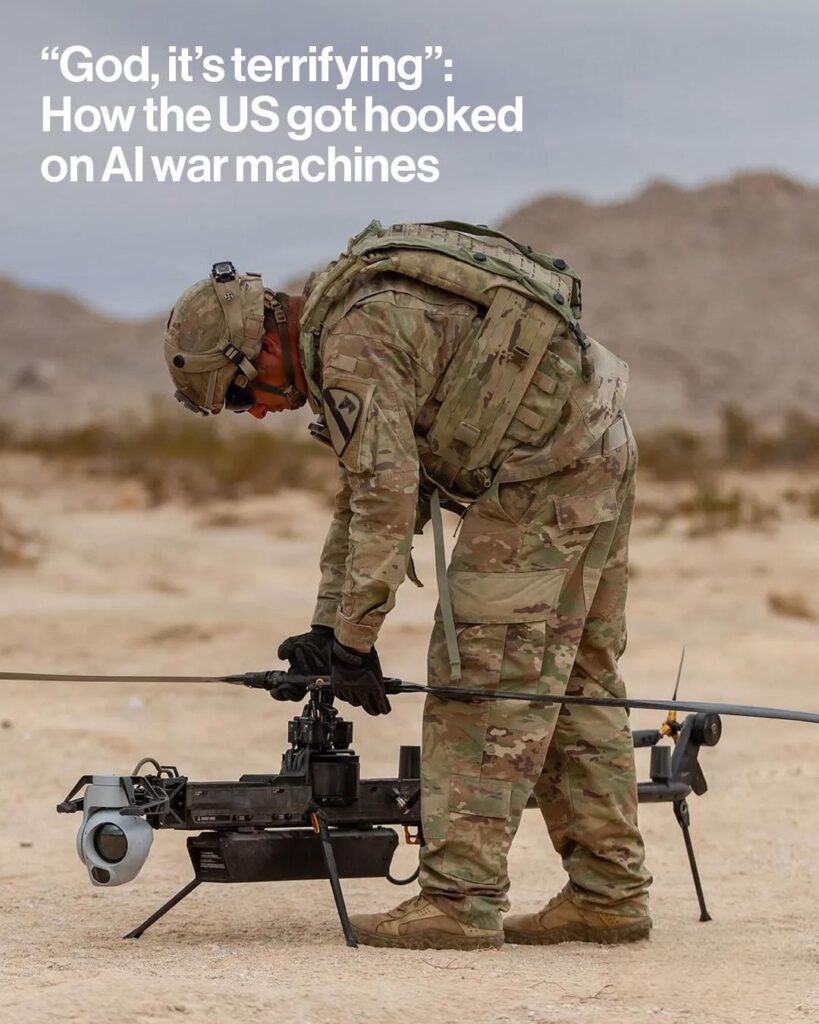
Artificial intelligence (AI) is increasingly shaping modern warfare. Military planners are using machine learning systems to analyse vast volumes of surveillance data. One such system is Project Maven, an artificial intelligence programme developed by the United States Department of Defense. The technology processes drone footage and satellite imagery to identify potential military targets within seconds.
Project Maven’s Expanding Role
Project Maven was originally designed to assist analysts by sorting and labelling aerial images. However, the system has gradually become central to operational decision-making. According to defence officials, the AI can process millions of data points from multiple sensors. This allows commanders to detect suspected threats faster than human analysts alone.
Concerns Over Civilian Safety
However, the growing reliance on algorithmic analysis has triggered global concern. Critics argue that AI systems can misidentify objects or individuals, especially in crowded urban environments. When such errors occur in active conflict zones, civilians may face serious risk. Human rights groups warn that automated targeting systems could increase the likelihood of unintended casualties.
Debate Over Human Control
Meanwhile, experts continue to debate how much authority should be delegated to machines in combat. International humanitarian law requires human judgement before lethal force is used. However, faster battlefield decisions and data-driven targeting are pushing militaries toward greater automation. This raises questions about whether meaningful human oversight is always maintained.

Ethics of Algorithmic Warfare
In addition, technology companies and researchers have raised ethical concerns about military AI projects. Some engineers involved in early development of Project Maven publicly opposed the programme, arguing that artificial intelligence should not be used directly in lethal operations. Their criticism sparked a broader debate within the global technology community.
Future of AI-driven Conflicts
Therefore, AI is likely to remain a defining feature of future wars. Governments believe the technology improves speed, intelligence gathering and operational efficiency. However, critics stress that algorithmic systems must remain accountable to human decision-makers. As AI capabilities expand, the challenge will be balancing technological advantage with humanitarian responsibility in modern warfare.
Bolloju Ravi, Senior Journalist