
- When a Nation Refuses
- Grief Turns Into Shared Strength
- Loss Binds People Together
- War Tests Human Spirit
Article Today, Hyderabad:
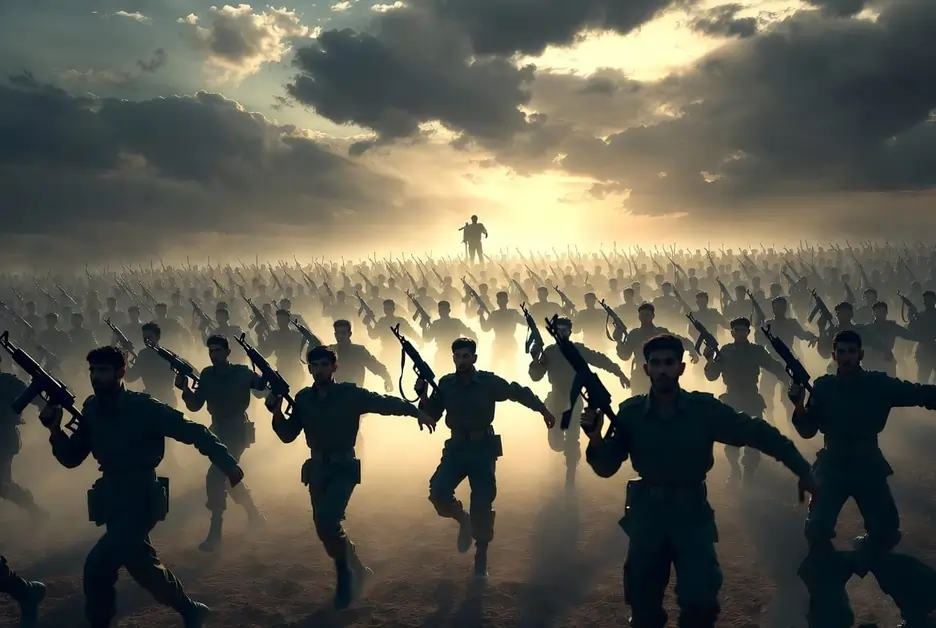
There are wars you hear. And then there are wars you feel. In Iran today, the noise of explosions is loud. But louder still is something quieter — the sound of people choosing not to break. Buildings fall. Streets empty. Yet, something unseen holds firm. It is not steel. It is belief.
A Leader, Now a Memory
When Ali Khamenei was killed, the world expected silence to follow. A pause. Perhaps even fear. But grief, when shared by millions, does not stay silent. It moves. It gathers. It becomes something larger than the person who is gone. In that loss, people seem to have found each other again.
What Suffering Reveals
A man stands where his home once was. A woman searches through dust that used to be her life. They have reasons to be angry. Yet, they speak not of surrender, but of standing. War has a strange way of revealing what matters most. Not what we own. But what we refuse to lose.
The Miscalculation Of Power
Somewhere far away, decisions were made. Strategies drawn. Pressure applied. Names like Donald Trump appear in reports and headlines. But war, at its core, is not only about decisions made in offices. It is about how those decisions echo in ordinary lives. And sometimes, those echoes do not break people. They bind them.
The Young Who Step Forward
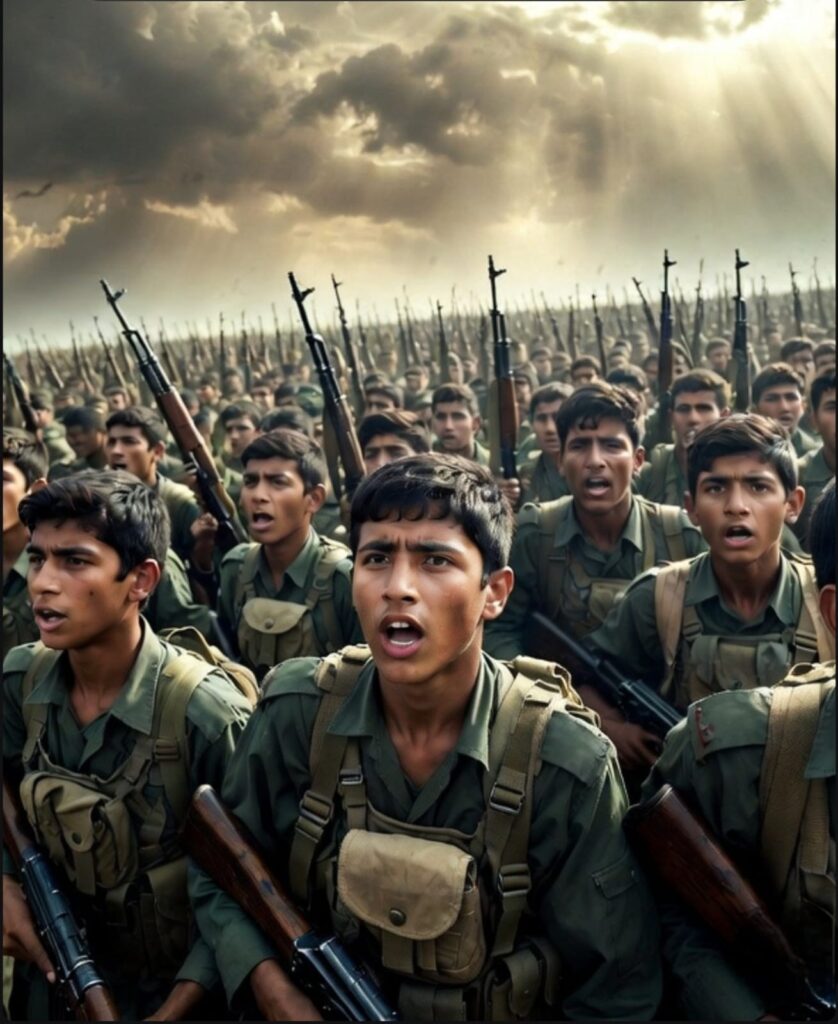
There is a quiet line forming. Not for food. Not for shelter. But for service. Young men and women, who have seen enough to fear war, are choosing to walk into it. Not because they love conflict. But because they love something else more. Call it country. Call it dignity. Call it home.
The Cost No One Counts
Yes, there are numbers. Oil prices rise. Economies strain. The world watches. Calculates. Debates. But there are other costs no ledger records. A child who learns the sound of fear too early. A mother who waits too long. These are the currencies of war that never appear in reports.
What Remains When Dust Settles
In the end, wars are remembered not only for who won. But for who endured. Today, in Iran, endurance is not an idea. It is a daily act. A quiet refusal. A shared breath. And perhaps that is what makes a nation — not the absence of fear, but the decision to stand, together, despite it.
Bolloju Ravi, Senior Journalist