

- Rare Syndrome Disrupts Lives
- Antibiotics Linked to Rise
Article Today, Hyderabad:
A person swaying without drinking may sound improbable. Yet clinicians confirm such cases exist. The condition is known as auto-brewery syndrome. It causes the body to produce alcohol internally. As a result, individuals appear intoxicated despite abstaining from liquor.
Inside the Gut Process
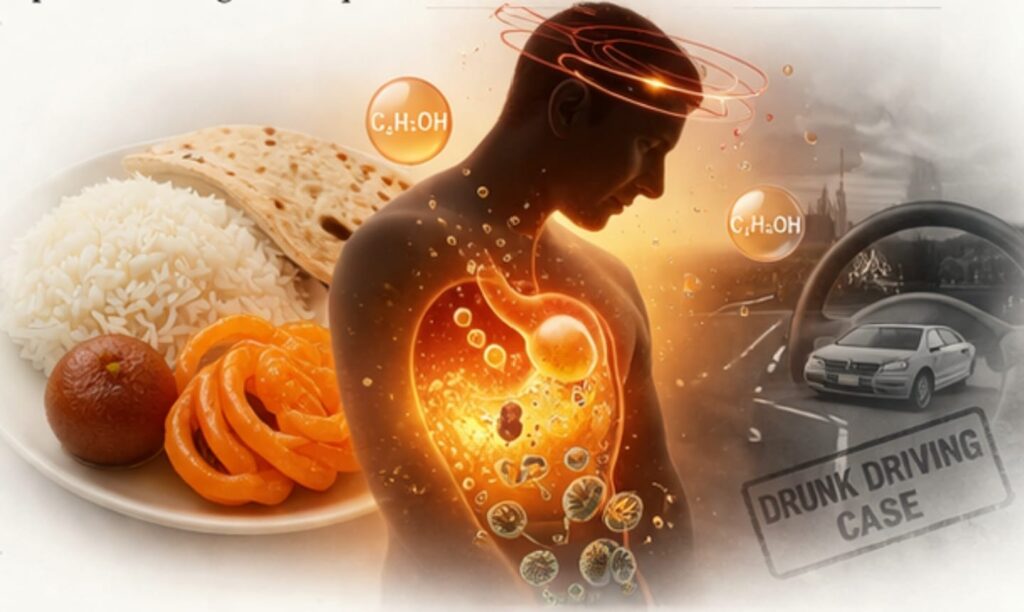
The disorder originates in the digestive system. Certain fungi and bacteria ferment carbohydrates into ethanol. Foods such as rice, bread and sweets act as triggers. Consequently, alcohol enters the bloodstream after meals. This leads to measurable intoxication levels without external consumption.
Symptoms Mirror Drunkenness
Patients often show slurred speech and poor balance. In addition, dizziness and fatigue are common. Some report nausea and abdominal discomfort. The smell of alcohol on the breath creates social stigma. Therefore, many are wrongly assumed to be habitual drinkers.

A Rare But Underdiagnosed Condition
Documented cases remain limited worldwide. However, experts believe the condition is underreported. Studies have shown blood alcohol levels exceeding legal driving limits. Meanwhile, some patients have faced legal action under drink-driving laws. This highlights gaps in awareness and diagnosis.
Role of Antibiotics
Medical research points to gut imbalance as a key factor. Excessive antibiotic use disrupts healthy bacteria. As a result, yeast species such as Saccharomyces cerevisiae proliferate. These organisms drive abnormal fermentation. In addition, conditions like diabetes and obesity increase susceptibility.
Food Becomes The Trigger
Diet plays a central role in symptom onset. Carbohydrate-rich meals accelerate fermentation. Therefore, ordinary foods can act like hidden liquor sources. This creates a direct link between diet and intoxication episodes. The condition blurs the line between food intake and alcohol exposure.
Legal and Social Impact
The consequences extend beyond health. Patients risk wrongful accusations and legal penalties. In some cases, individuals have lost jobs or faced prosecution. Meanwhile, treatment costs can be substantial. Lack of awareness often delays proper medical intervention.
Potential Health Risks
Chronic internal alcohol production harms the liver. Over time, it may lead to serious complications such as cirrhosis. In rare cases, severe gastrointestinal pressure has been reported. Therefore, early diagnosis is essential to prevent long-term damage.
Managing the Condition
Treatment focuses on restoring gut balance. Doctors often prescribe antifungal medication. Dietary changes are equally important. Patients are advised to reduce sugar and carbohydrates. In addition, probiotics may help rebuild healthy microbiota. Avoiding unnecessary antibiotics remains a key preventive step.
Need for Awareness
Despite its rarity, the syndrome raises important questions. It challenges conventional understanding of intoxication. Therefore, both medical professionals and the public need greater awareness. Early recognition can prevent misdiagnosis and social harm.