
- Wealth Metrics Dominate Partner Selection
- Tourism Grows Around Unusual Practice
- A Park Turned Marriage Marketplace
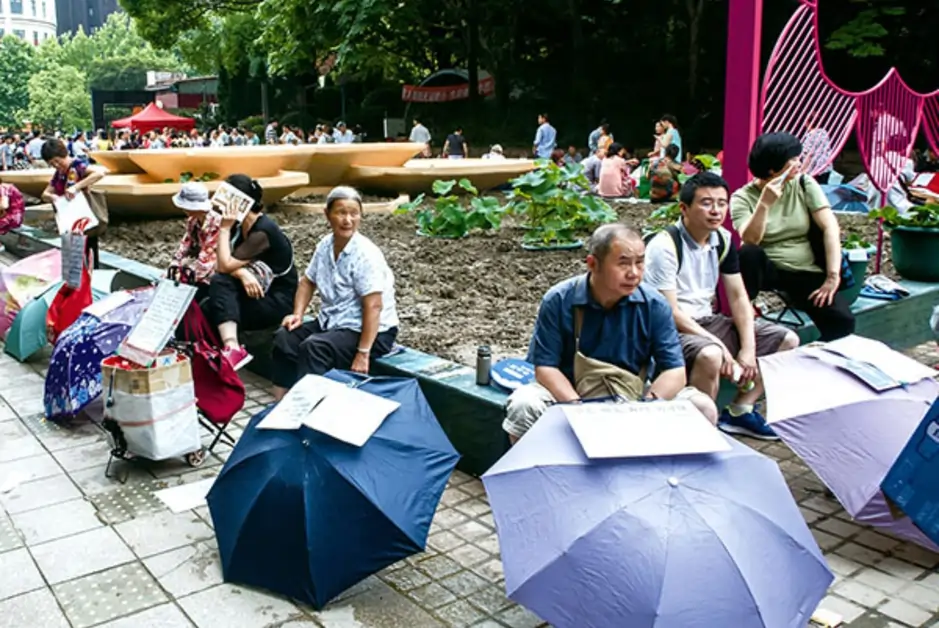
In People’s Park Shanghai, weekends bring an unusual gathering. Parents assemble with handwritten boards. These display their children’s personal details. The setting resembles a quiet park. However, it functions as a structured marriage market.

Profiles Over Personalities
Each board lists age, height, education, and income. Property ownership carries strong weight. In many cases, financial stability defines suitability. Therefore, emotional compatibility receives less attention. Marriage, here, appears framed as an economic arrangement.
Roots in Policy Shifts
The phenomenon links partly to China’s past One Child Policy China. This policy created a gender imbalance. As a result, more men now compete for fewer women. Meanwhile, many young people delay marriage for careers. This widens the gap between generations.
Parents Take Control
Concerned families step forward. They act on behalf of their children. In some instances, the children remain unaware. However, parents view this as responsibility. They seek stability and timely marriage. This reflects broader social pressure.
A Growing Tourist Draw
Unexpectedly, the market attracts visitors. Tourists observe the process with curiosity. Local guides now include it in city tours. In addition, some packages charge significant fees. Thus, a social concern also becomes a tourism product.

Economic Filters Dominate
Questions among parents focus on income and assets. Housing in Shanghai remains crucial. Without property, prospects often decline. Consequently, middle-class anxieties surface clearly. The park becomes a space of negotiation rather than connection.
Low Success, High Persistence
Matchmaking success rates remain limited. Yet attendance continues each weekend. Meanwhile, the gathering offers social comfort. Parents share concerns and experiences. Therefore, the market also functions as a support network.
Signs of Social Strain
The marriage market reflects deeper demographic challenges. China faces declining birth rates. Young adults increasingly choose independence. However, traditional expectations persist. This tension shapes the evolving institution of marriage.
A Modern Contradiction
Shanghai’s marriage market highlights a paradox. It blends tradition with modern pressures. On one hand, families seek stability. On the other, individuals prioritise autonomy. As a result, the park stands as a quiet symbol of change.
Bolloju Ravi, Senior Journalist