- Human Waste Found in Cosmetics
- Online Markets Flooded with Fakes
- Health Risks Alarm Global Experts
- Counterfeit Cosmetics Under Scrutiny
Article Today, Hyderabad:
Investigations into counterfeit beauty products have raised serious public health concerns. Reports indicate that several low priced cosmetic products sold through online marketplaces contain harmful substances, including human waste and other contaminants. Health experts warn that these products can expose consumers to dangerous bacteria and toxic chemicals.
The findings have drawn attention to the growing global trade in fake cosmetics. Authorities say the problem is expanding rapidly as online platforms allow third party sellers to distribute unverified beauty products to millions of buyers.
Police Seizure Exposes Contamination
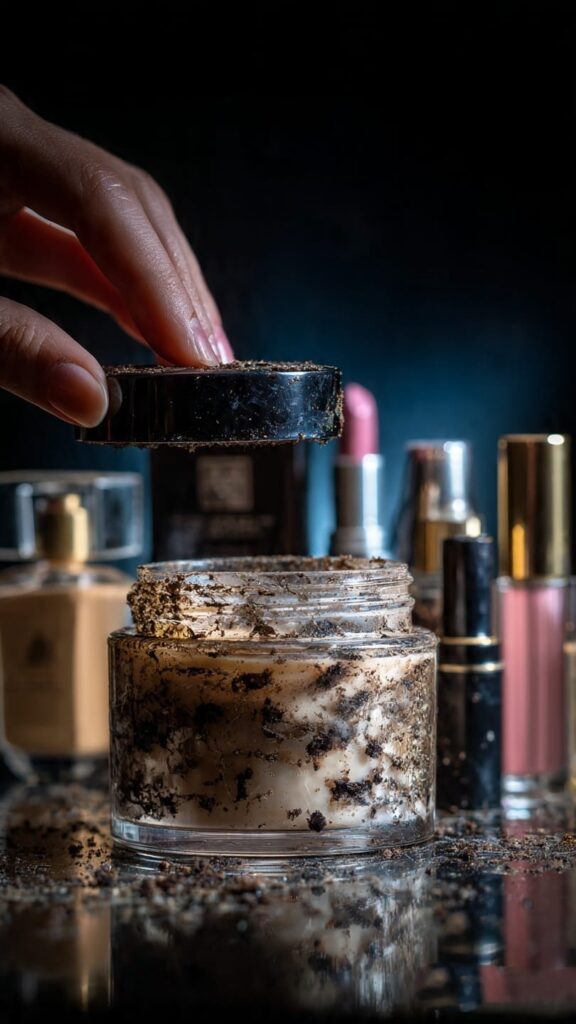
A police raid in Los Angeles uncovered counterfeit cosmetic products worth nearly Rs. 6 crore. The seized items included fake versions of well known brands such as Kylie Cosmetics, MAC, and NARS. Laboratory tests later detected bacterial contamination and traces of human waste in several samples.
Officials confirmed that the products posed significant hygiene risks. In some cases, investigators also reported that urine was allegedly used to create a golden tint in counterfeit perfume liquids. The discovery raised concerns about the unsafe manufacturing conditions behind these products.
Laboratory Tests Reveal Differences
Meanwhile, further testing conducted by independent analysts highlighted major differences between genuine and counterfeit cosmetics. Media investigators purchased multiple beauty products from large online platforms including Amazon and eBay. A chemist later examined the samples in a laboratory.
One lip treatment product showed only about 20 percent similarity to the authentic formulation. The container also appeared swollen, which scientists say may indicate bacterial growth. In another case, a concealer product matched only about 2 percent of the original composition. Experts say the remaining contents likely consisted of unidentified chemicals and contaminants. Therefore, dermatologists warn that applying such substances directly on the skin can trigger infections, allergic reactions, and severe irritation.
Online Marketplaces Under Question
The investigation also highlighted the role of online retail platforms in the spread of counterfeit cosmetics. Reports indicate that about 60 percent of sales on Amazon and nearly 95 percent on Walmart occur through third party sellers.
Meanwhile, platforms such as eBay and Shein host thousands of independent vendors with varying levels of verification. Consumer safety analysts say this environment allows counterfeit manufacturers to distribute fake beauty products with limited oversight.
According to a United States government assessment, a significant share of cosmetics purchased online may be counterfeit. Medical professionals report that some users have already experienced severe rashes and skin inflammation after using such products.
Hidden Chemical Risks
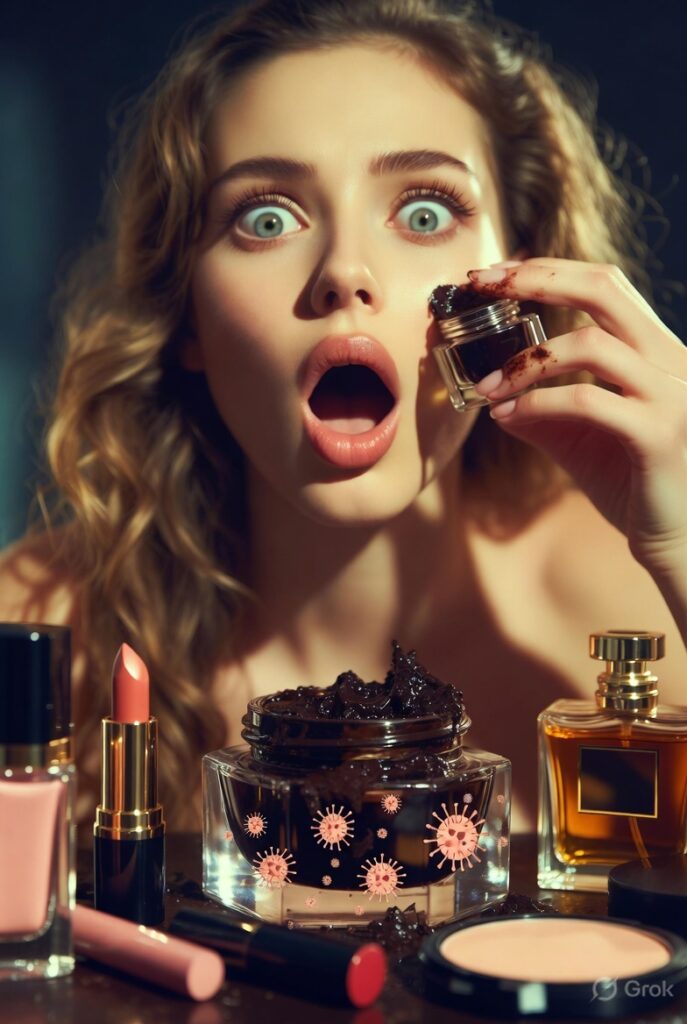
In addition, laboratory examinations revealed alarming chemical substitutions in some counterfeit personal care items. Investigators found that certain fake toothpastes used antifreeze chemicals to create a sweet taste. Experts say such substances are normally used in car engines and can be toxic if ingested.
Some counterfeit creams showed altered colours and signs of chemical breakdown. Analysts reported that one tested cream matched about 83 percent of the original formula but displayed unusual discoloration, suggesting contamination or spoilage.
However, several setting sprays examined during the investigation matched only between 21 and 25 percent of their authentic formulations. Scientists say the remaining chemical composition remains unknown, increasing the risk of skin damage.
Rising Global Counterfeit Trade
Authorities say the illegal trade in counterfeit personal care products is expanding rapidly. In the 2024 financial year, United States border officials seized about 500,000 fake personal care items. Investigators believe the number of products that entered markets undetected may exceed 20 million.
Design experts studying packaging have identified subtle differences between genuine and counterfeit products. However, these variations are often difficult for ordinary consumers to recognise. As a result, many buyers unknowingly purchase unsafe cosmetic products.
Health Experts Issue Warning
Public health specialists advise consumers to exercise caution when purchasing cosmetics online. Products sold at unusually low prices often raise concerns about authenticity. Experts also warn that counterfeit versions of skincare products, including glycolic serums, are increasingly circulating in digital marketplaces.
Meanwhile, analysts note that even products with partial similarity to genuine formulas may still contain harmful contaminants. Therefore, health professionals recommend buying cosmetics only from authorised stores or official brand retailers. They say stronger regulatory monitoring and stricter platform oversight may be necessary to protect consumers from the growing risks linked to counterfeit beauty products.
Bolloju Ravi, Senior Journalist