- Urban Courts See Rising Demand
- Social Media Fuels Rapid Growth
- Rapid Rise in Popularity
Article Today, Visakhapatnam:
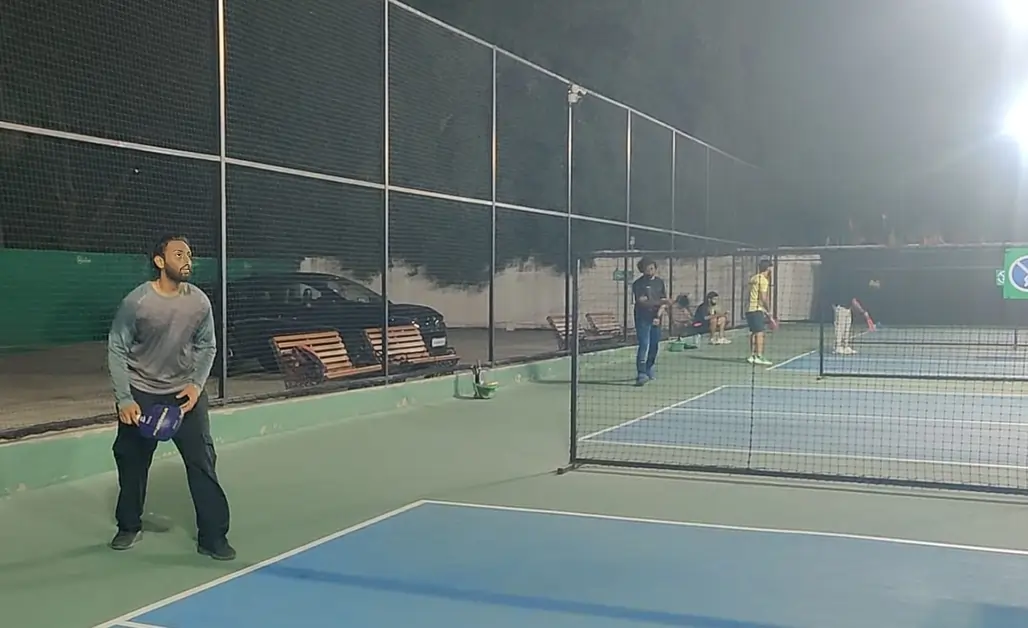
Pickleball has emerged as a fast-growing sport across urban India. In recent months, courts in several cities have reported increased bookings. Young professionals and students now fill evening and weekend slots. The sport, once relatively unknown, has entered mainstream conversation.
What Is Pickleball
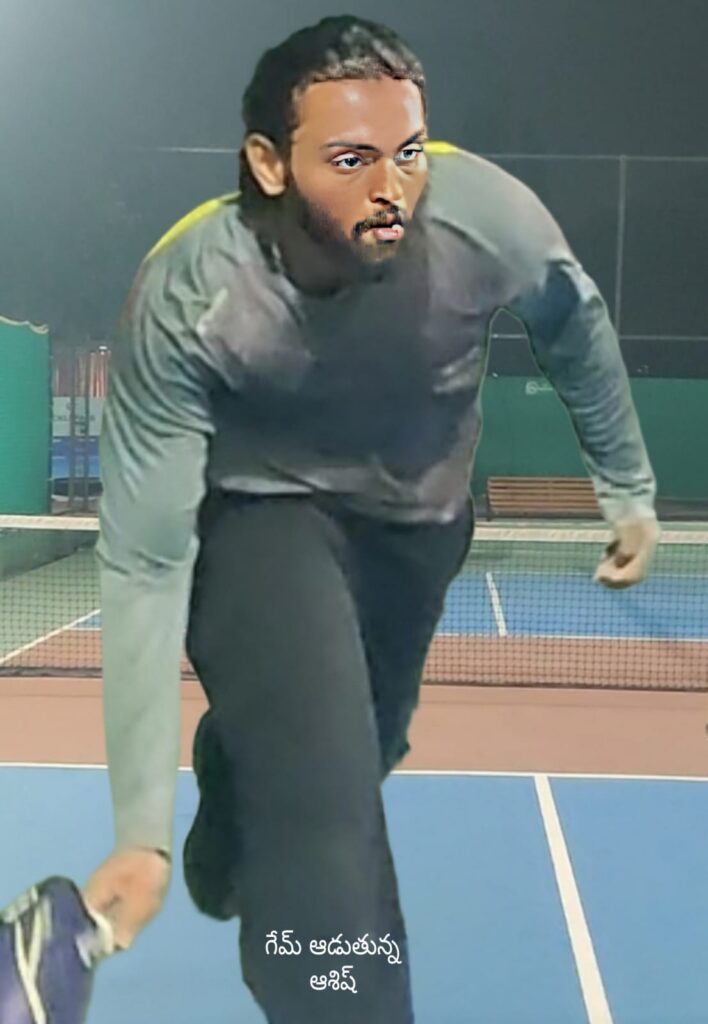
Pickleball combines elements of tennis, badminton and table tennis. Players use solid paddles and a perforated plastic ball. The game is played on a smaller court than tennis. This compact format increases pace and encourages quick reflexes. As a result, beginners find it easier to learn while experienced players enjoy its competitive rhythm.
Social Media Influence
Meanwhile, social media platforms have amplified the trend. Short videos, match highlights and tutorial clips circulate widely. Influencers and amateur players share content regularly. This digital visibility has normalised the sport among urban youth. Consequently, participation has expanded beyond traditional sporting communities.
Demand for Infrastructure
The surge in interest has led to higher demand for facilities. Sports clubs and private operators report waiting lists for court reservations. In some areas, unused indoor spaces have been converted into pickleball courts. Entrepreneurs have also begun investing in coaching programmes and equipment retail. Therefore, the sport is generating new economic activity within the local sports ecosystem.
Accessibility and Appeal
One key factor behind the sport’s growth is accessibility. Pickleball requires limited equipment and can be played by individuals of varying age groups. The rules are straightforward and matches are relatively short. This allows players to balance fitness with busy schedules. In addition, the game promotes social interaction, which adds to its appeal.
Changing Sports Culture
Traditionally, mainstream attention focused on cricket, badminton and football. However, pickleball now occupies visible space in urban recreational culture. Corporate groups organise friendly tournaments. Residential communities host weekend matches. Some sports academies have introduced structured training sessions. This shift reflects evolving preferences among younger generations.
Future Prospects
Analysts suggest that participation levels may continue to grow. If infrastructure expands and competitive circuits develop, the sport could attract broader recognition. Meanwhile, local organisers are exploring inter-city tournaments and sponsorship models. The trajectory indicates that pickleball is no longer a niche pastime but a developing segment within India’s sports landscape.