
- New Penal Code Unveiled
- Clerics Granted Sweeping Immunity
- A Sweeping New Code
Article Today, Afghanistan:
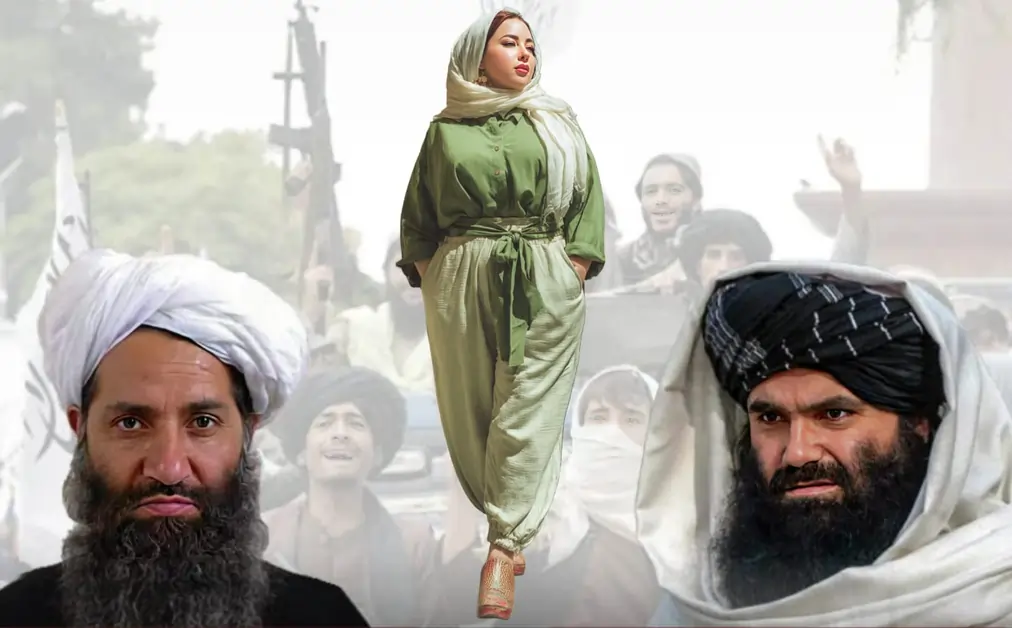
The Taliban administration has introduced a new 90-page penal code that significantly reshapes Afghanistan’s legal framework. The document, reportedly approved by Taliban supreme leader Hibatullah Akhundzada, has been circulated to courts across the country. Legal experts and human rights observers say the code formalizes discriminatory practices and expands clerical authority.
Hierarchy Before Justice
One of the most controversial features of the code is the formal division of society into four categories. Religious scholars occupy the highest rank, followed by elites, middle groups and lower classes. Punishments vary according to status. Clerics accused of wrongdoing may receive advice or warnings. Meanwhile, lower-class citizens can face corporal punishment, including flogging. Critics argue that this structure undermines the principle of equality before the law.
Legalized Domestic Control
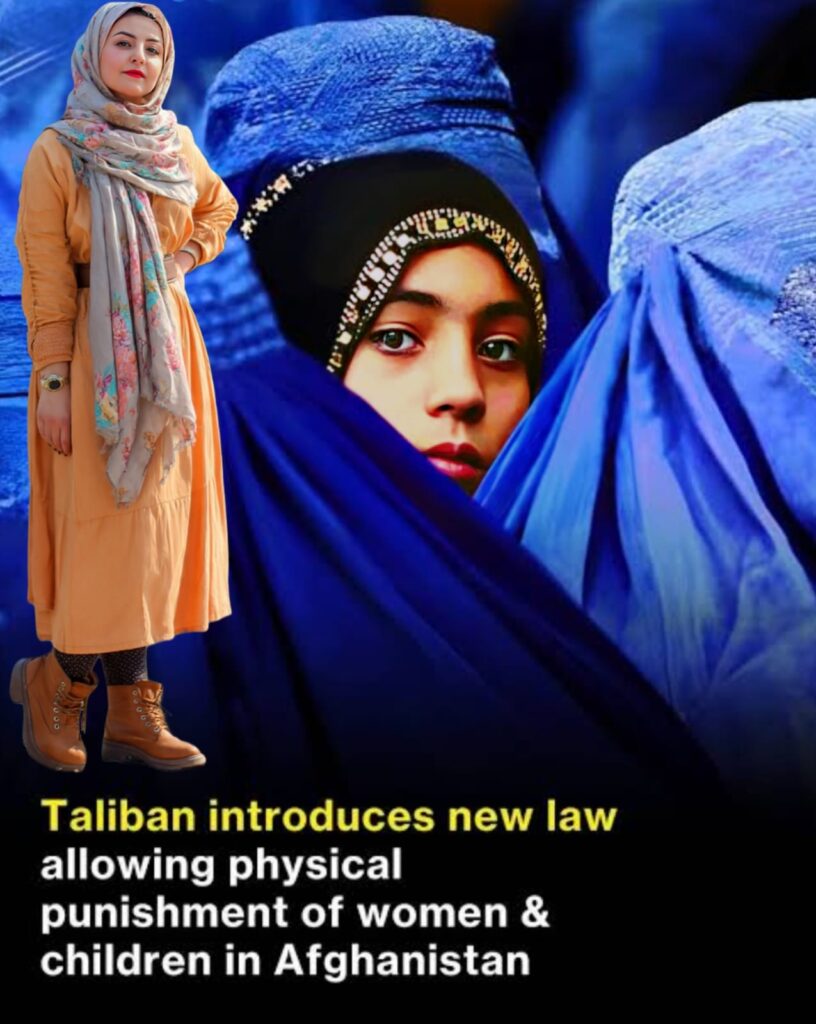
The provisions relating to women have drawn the strongest condemnation. The code reportedly permits husbands to discipline wives under specific conditions, provided visible injuries or fractures are avoided. Such clauses effectively sanction domestic violence. Women seeking redress must comply with strict procedural requirements. In many cases, they must appear in court accompanied by a male guardian, including the husband accused of abuse. Observers say this requirement creates insurmountable barriers to justice.
Restrictions on Movement
Article 34 of the code imposes penalties on women who leave their marital homes without permission. Repeated visits to their parental homes without a husband’s consent can result in imprisonment of up to three months. Relatives who offer shelter may also face punishment. Therefore, women’s mobility remains tightly controlled under the new framework. Rights advocates describe these measures as a rollback of limited protections that existed before the Taliban’s return to power.
Clerical Authority Expanded
In addition, the code consolidates power within religious courts. Clerics hold broad interpretive authority. Their decisions are difficult to challenge. Meanwhile, access to independent legal representation remains severely restricted. International monitors argue that this concentration of authority weakens procedural safeguards and transparency.
Global Response
Human rights organisations have characterised the penal code as incompatible with international norms. They argue that it institutionalises gender-based discrimination and class hierarchy. However, the Taliban leadership has defended the measures as consistent with its interpretation of Islamic law. The group rejects external criticism and frames the reforms as a sovereign matter.
A Shrinking Civic Space
Discussion of the new code within Afghanistan is constrained. Civil society groups operate under intense pressure. Public dissent can invite reprisals. As a result, legal reform has occurred with minimal domestic debate. Analysts say the latest measures entrench a system where women and lower-status citizens face structural disadvantage. The long-term social and political consequences remain uncertain, but the direction of change is clear.