- Fatal Accident Triggers Political Shifts
- Echoes of YSR Tragedy
- Regional Forces Gain Ground
- Shock Across Maharashtra
Article Today , Hyderabad:
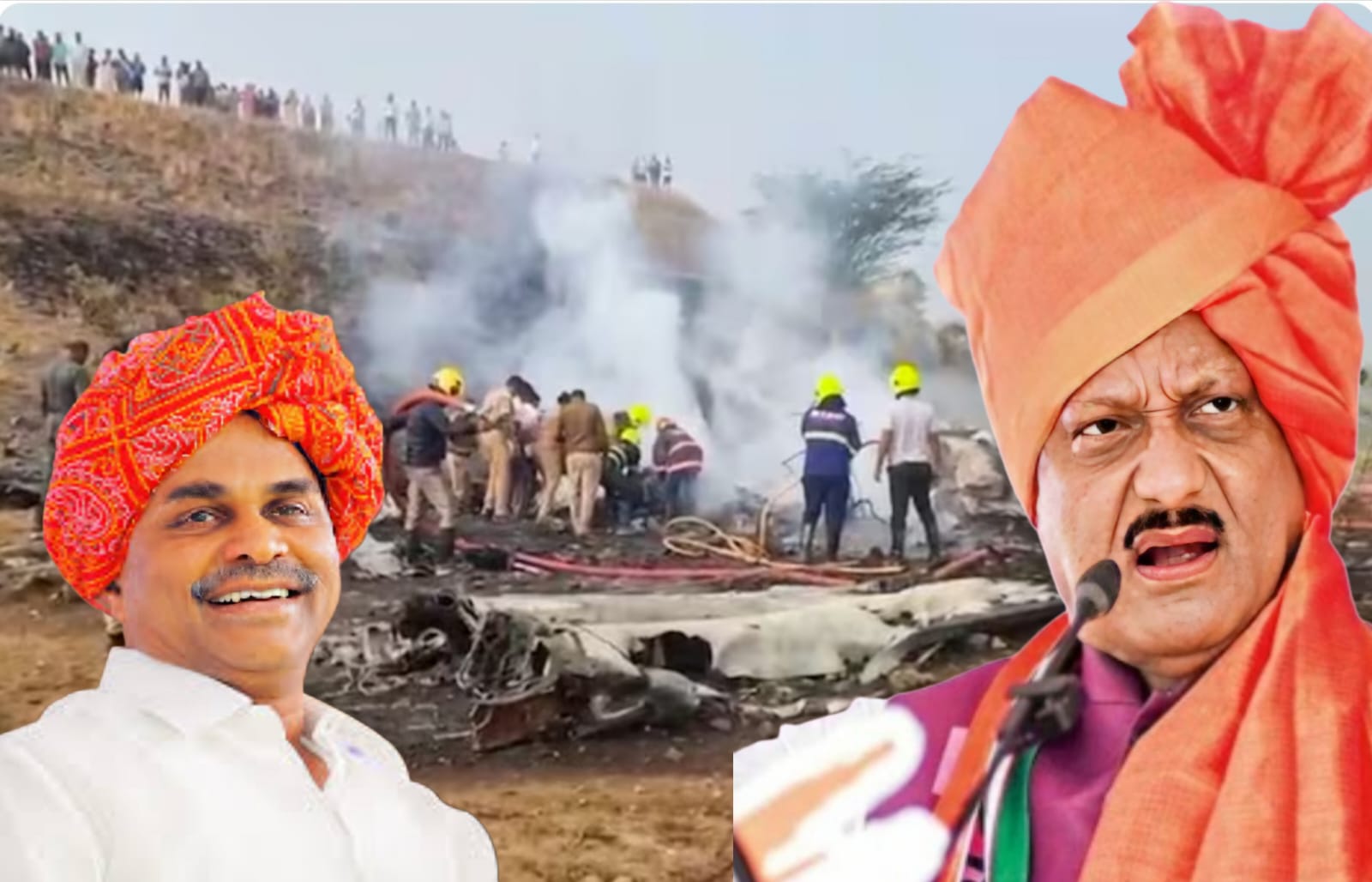
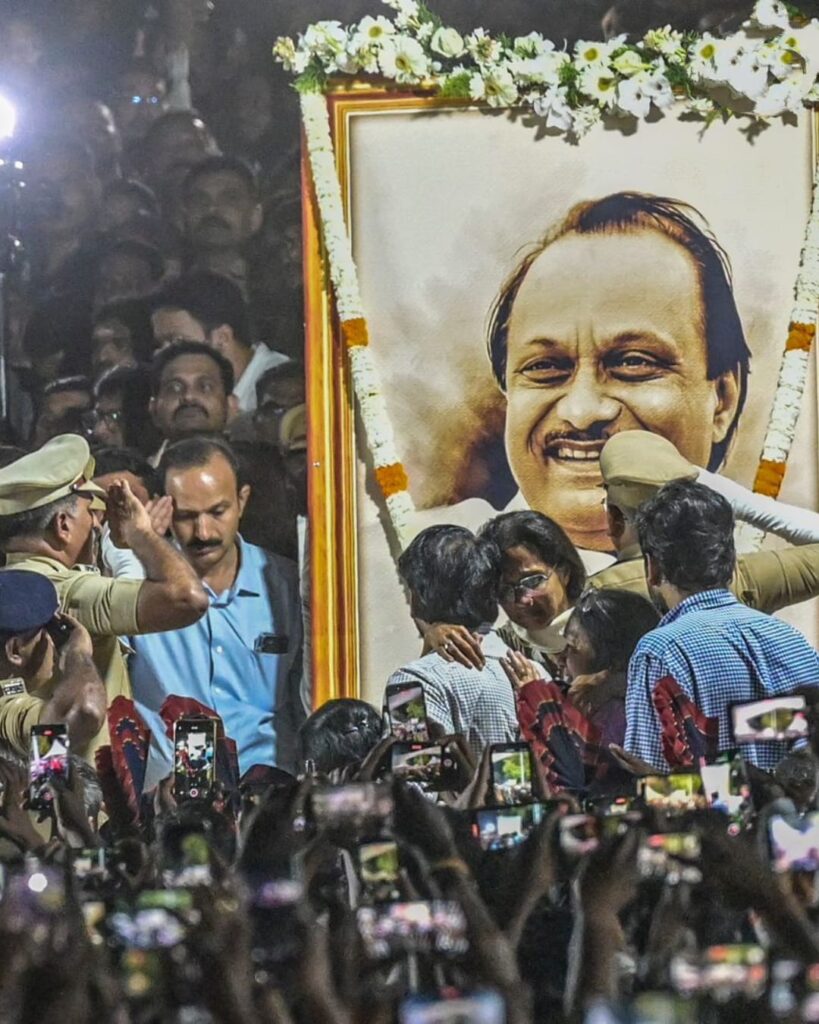
The reported death of Maharashtra Deputy Chief Minister Ajit Pawar in an air accident has sent shockwaves through national politics. The sudden loss of a senior leader has revived memories of earlier tragedies that altered political trajectories in India. Analysts have drawn parallels with the death of former Andhra Pradesh Chief Minister Y.S. Rajasekhara Reddy, whose demise reshaped politics in the Telugu-speaking States.
Memories of 2009 Tragedy
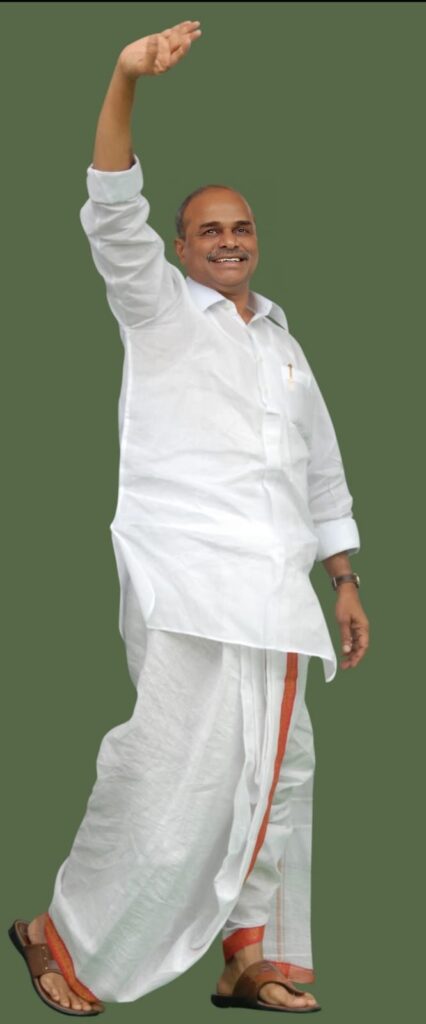
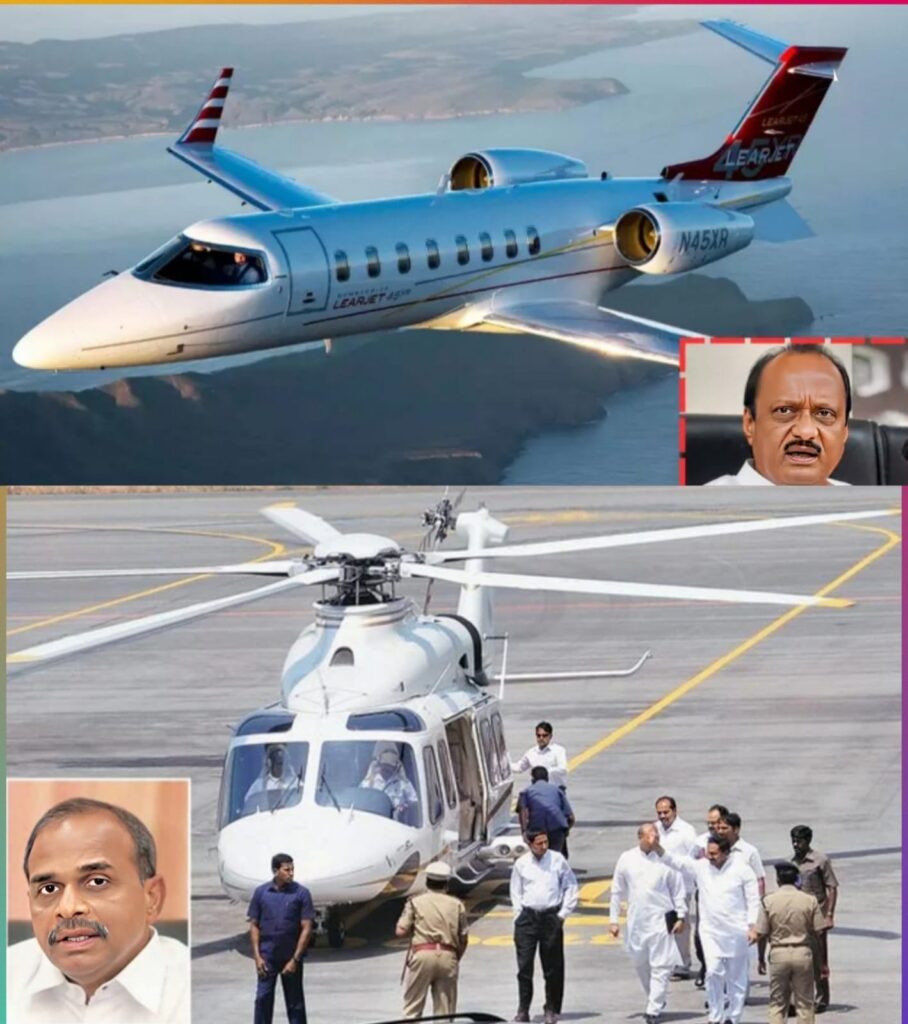
On September 2, 2009, Y.S. Rajasekhara Reddy died in a helicopter crash in the Nallamala forests. The Bell 430 helicopter lost contact with air traffic control after encountering severe weather conditions. After an extensive search by security forces, his death was confirmed the next day. The incident plunged the undivided Andhra Pradesh into deep mourning and marked a decisive political turning point.
Congress Loses Its Anchor
YSR’s death created a leadership vacuum within the Congress party in the State. He was the party’s most influential mass leader, having led it to consecutive victories in 2004 and 2009. However, his absence weakened organisational cohesion. Despite appointing successors, the party struggled to contain dissent. Gradually, Congress lost its grip on a State it once dominated.
Emergence of New Leadership
Meanwhile, YSR’s son Y.S. Jagan Mohan Reddy emerged as a central figure. After differences with the party high command, he broke away from Congress and launched a new regional party. Through mass outreach programmes and electoral victories in by-elections, he consolidated support. This development permanently altered Andhra Pradesh’s political landscape.
Telangana Movement Regains Momentum
In addition, political instability following YSR’s death provided fresh momentum to the Telangana statehood movement. The Telangana Rashtra Samithi intensified its agitation, which gained national attention. Eventually, the Union government initiated the process that led to the formation of Telangana. Thus, a single tragic event indirectly accelerated the reorganisation of the State.
Electoral Realignment Follows
By the 2014 elections, the Congress had been nearly wiped out in both Andhra Pradesh and Telangana. Regional parties filled the vacuum. New power centres emerged, and national parties struggled to regain relevance. The political map of the region was redrawn within a few years of the helicopter crash.
Parallels with Present Crisis
Against this backdrop, Ajit Pawar’s death has triggered fresh speculation about Maharashtra’s political future. Like YSR, he played a key role in his State’s power structure. Observers are closely watching whether his absence will weaken national parties and strengthen regional forces, as seen earlier in Andhra Pradesh.
Politics Shaped by Tragedy
History shows that the death of a leader can have consequences far beyond immediate grief. Such moments often alter party balances, revive regional aspirations, and redefine voter loyalties. As Maharashtra absorbs the shock of this tragedy, its political direction in the coming years remains an open question.