
Article Today, New Delhi:
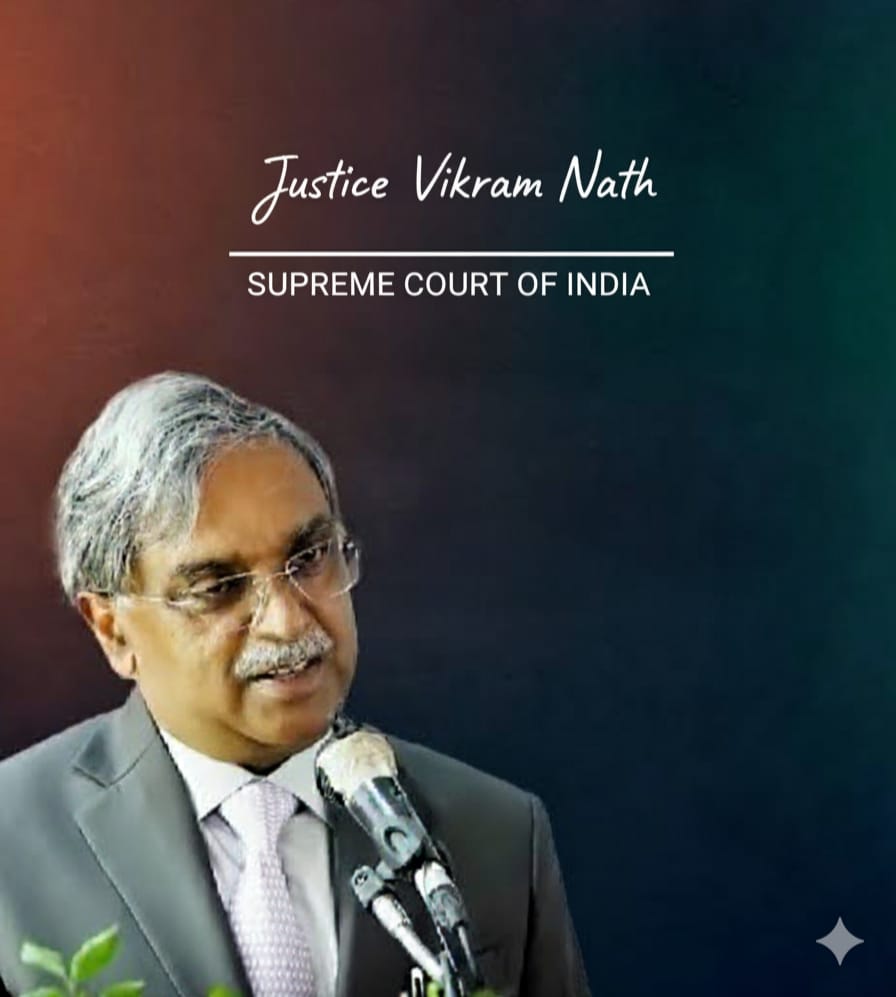
India’s justice system faces a harsh indictment. A report released by Supreme Court Justice Vikram Nath has revealed that over 70 per cent of the country’s prisoners are undertrials — individuals whose guilt has not yet been proven in court. The findings raise serious questions about the state of access to justice and the prolonged delays that continue to deny liberty to thousands.
Undertrials Outnumber Convicts
According to the data, a majority of those lodged in Indian prisons are awaiting trial. Many among them have already spent years behind bars, far exceeding the maximum sentence prescribed for their alleged offences. This situation, Justice Nath observed, reflects not just procedural delay but also a deeper moral failure of the justice delivery system.
Legal Aid System in Distress
Free legal aid, which is a constitutional right for the poor, remains largely out of reach for those who need it most. The report noted that nearly 74 per cent of undertrials are unaware of this entitlement. Of those who know about it, only 7.9 per cent actually avail of the service. The lack of awareness, combined with distrust in the state-provided legal aid system, has rendered the mechanism ineffective. Many believe private lawyers are more competent, a perception that stems from the poor performance of existing legal aid structures.
Bail Denied by Default
Justice Nath further pointed out that numerous detainees continue to remain in custody due to technical lapses or financial constraints. Many cannot afford the surety bonds or paperwork demanded for bail. In several cases, minor offenders are forced to stay imprisoned simply because they cannot pay the required amount. This, the report stated, is equivalent to punishing the poor for their poverty.
Punishment Without Conviction
In many instances, the duration of pre-trial detention exceeds the maximum sentence that could be imposed if the accused were found guilty. Had trials been concluded in a timely manner, several undertrials would have been acquitted or released with minor sentences. The report also revealed that in 51 per cent of such cases, essential case documents are either incomplete or missing, making trial proceedings impossible to conclude.
Call for Reform in Legal Education
To address these systemic shortcomings, Justice Nath has called for a fundamental change in the way legal education is structured. He recommended that law schools should not treat legal aid clinics as mere formalities. Instead, students must engage directly with undertrials to understand the ground realities of justice delivery. He emphasised that the first exposure for young law graduates should be meeting a prisoner, not attending a corporate internship.
A Call to Restore Justice
Justice Nath’s observations highlight the urgent need to overhaul India’s judicial processes — from investigation to trial. Without reform, the country risks perpetuating a cycle where liberty is lost long before guilt is proven. The Supreme Court’s remarks serve as a reminder that justice delayed remains justice denied — and for millions of undertrials across India, that denial has already lasted far too long.