
- Engineering Student Quits University
- Resells Branded Secondhand Clothing
- Youth Drive Resale Growth
- A Calculated Departure
Article Today, London:
A 22-year-old engineering student has left formal education to pursue a full-time resale business in Glasgow. Scott Atkins, formerly enrolled at the University of Glasgow, made the decision during his third year of study. He exited the programme in April 2025. At the time, he was earning through an apprenticeship. However, he chose to shift toward independent commerce. His move reflects a broader trend among young entrepreneurs seeking digital income streams outside traditional employment.
Business Model and Margins
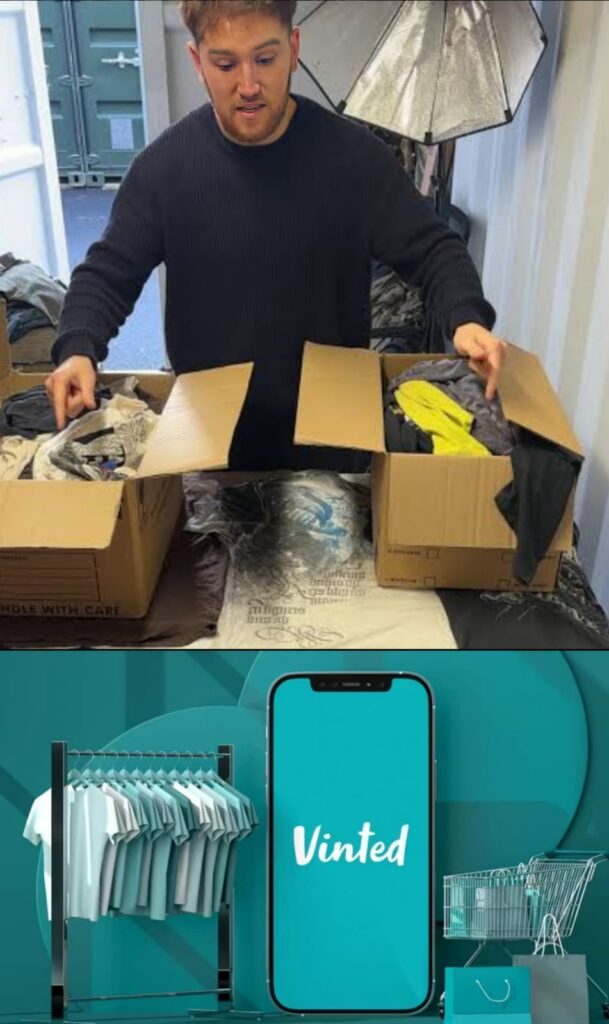
Atkins sources secondhand clothing from wholesale markets across the United Kingdom. He selects premium vintage brands such as Carhartt and Levi’s at low acquisition costs. He then cleans, photographs, and lists them on resale platforms, including Vinted. The platform does not charge sellers a listing fee. This structure allows higher margins. According to reported figures, his monthly turnover approaches Rs. 10.90 lakh, with net profits estimated near Rs. 7.65 lakh. These numbers indicate strong mark-ups but also depend on consistent sourcing and demand.
Market Forces at Work
The resale clothing sector has expanded rapidly in recent years. Reports from the Boston Consulting Group show that young consumers allocate a significant share of their wardrobe to pre-owned apparel. Environmental awareness plays a role. Buyers cite reduced textile waste and lower carbon footprints as motivations. In addition, rising retail prices have made secondhand options financially attractive. Therefore, digital resale platforms have become mainstream retail channels rather than niche alternatives.
Risks Beneath Growth
However, resale markets remain volatile. Supply quality varies. Brand demand fluctuates with social media trends. Inventory can remain unsold for extended periods. Experts caution that revenue consistency is uncertain. Economist June Um from Los Angeles notes that online commerce offers accessibility but not guaranteed stability. In addition, platform policies and algorithm changes can directly affect visibility and sales performance. Young entrepreneurs often underestimate these structural risks.
Education Versus Enterprise
Atkins’ decision to leave university highlights a broader debate about higher education pathways. Engineering degrees traditionally promise stable careers. However, rising tuition costs and uncertain job markets have prompted some students to explore independent ventures. Critics argue that abandoning formal qualifications may limit long-term professional flexibility. Supporters counter that digital entrepreneurship offers scalable income without corporate dependency. The tension reflects changing labour market expectations among Generation Z.
Sustainability Narrative
Meanwhile, environmental arguments support the resale model. The global fashion industry remains one of the largest contributors to textile waste and carbon emissions. Extending garment life cycles reduces production demand. Market forecasts project the global resale sector to reach significant valuation milestones by 2030. Consequently, resale platforms are attracting investor attention and venture capital funding. Yet sustainability claims require careful scrutiny, as shipping logistics and packaging also carry environmental costs.
Long-Term Viability
Atkins states that he does not intend to return to salaried employment. His operations now function as a structured small enterprise rather than a casual side activity. Nevertheless, business longevity will depend on diversification, brand positioning, and supply consistency. Therefore, strategic planning becomes essential as competition intensifies in digital resale spaces.
The case illustrates a generational shift in economic behaviour. Young entrepreneurs increasingly prioritise autonomy over credentials. However, market volatility and regulatory changes remain persistent variables. As resale commerce expands, its sustainability—both financial and environmental—will require continued evaluation.