
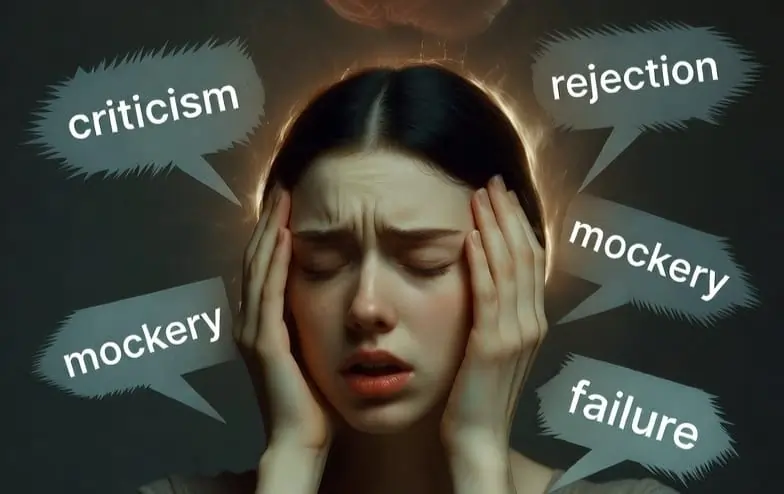
- Criticism Triggers Intense Emotional Distress
- Youth Increasingly Struggle With Rejection
- Doctors Warn of Rising Cases
- A Disorder Few Understand
Article Today, Rajahmundry:
A brief joke. A casual remark. A small criticism. These moments are part of daily interaction. However, for some individuals, they trigger intense emotional distress. Mental health experts are increasingly identifying this condition as rejection sensitive dysphoria. It refers to an extreme emotional reaction to perceived criticism or rejection. The disorder is gaining attention as more people report severe psychological responses to ordinary social feedback.
Sensitivity Beyond Normal Limits
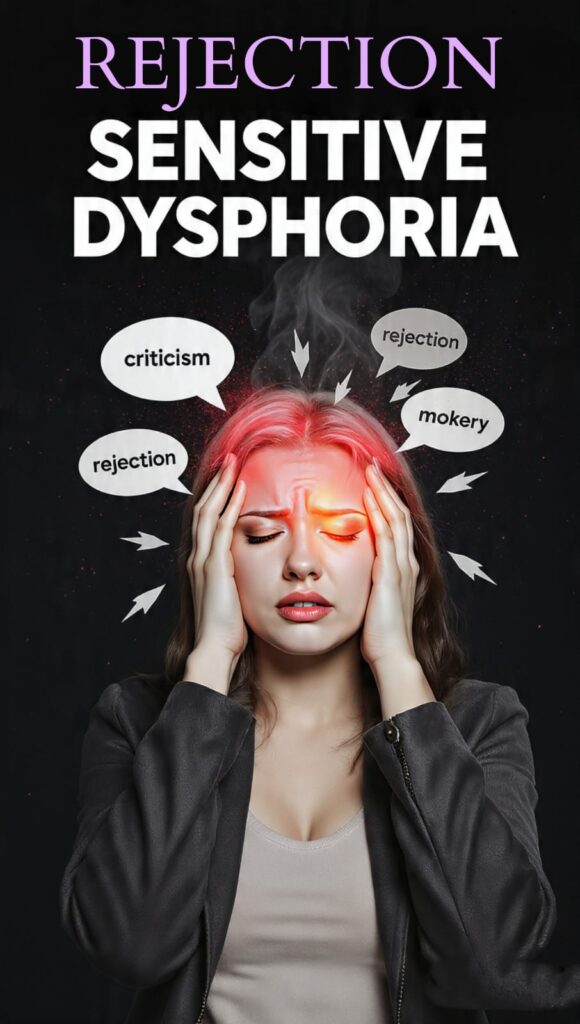
People with this condition experience unusually strong reactions to negative comments. Even mild criticism can feel overwhelming. As a result, they may experience emotional pain that appears disproportionate to the situation. Researchers believe the brain processes perceived rejection as a serious threat. Therefore, the body responds with intense emotional and physical stress.
Emotional Pain With Physical Effects
The distress is not limited to feelings alone. In many cases, it triggers physical symptoms. Patients report a racing heartbeat, shortness of breath, sweating, or sudden anxiety. Meanwhile, the mind interprets criticism as a personal failure. This reaction can occur even when others intend no harm. Doctors say the emotional impact can be severe and difficult to control.
Social Interactions Become Difficult
Daily communication becomes challenging for many patients. Conversations at workplaces or among friends may feel threatening. In addition, individuals may constantly worry that others dislike them. As a result, they begin to avoid situations where criticism might occur. Over time, this avoidance can isolate them socially and emotionally.
Youth Most Affected
Mental health professionals say the condition appears more frequently among young people. The rise of social media has intensified the issue. Online comments, public reactions, and constant comparisons often amplify feelings of rejection. Meanwhile, digital communication exposes individuals to frequent feedback, both positive and negative. Experts believe this environment may increase emotional vulnerability.
Hidden Psychological Struggle
Many people who experience these reactions remain silent. They fear that others will misunderstand their distress. Therefore, they often struggle privately with anxiety and emotional exhaustion. Over time, persistent distress can contribute to depression. In some cases, it may also affect work performance and personal relationships.
A Challenge For Medical Research
Researchers are still studying rejection sensitive dysphoria. At present, there is no specific medication designed for the condition. However, psychological therapy can help patients manage their responses. Doctors believe brain chemistry and emotional regulation may play a role. Therefore, further research is needed to understand the disorder more clearly.
Importance of Awareness and Support
Mental health specialists emphasise the need for awareness. Families and colleagues should recognise emotional sensitivity and respond with empathy. Early support and counselling can help individuals develop healthier coping strategies. Without such support, persistent emotional distress may deepen into serious mental health problems. Consequently, experts say recognising the condition early is essential for prevention and care.