
- Human Bonds Shape Longevity
- Conversations That Extend Life
- That Big study spans generations
- Love outweighs wealth and status
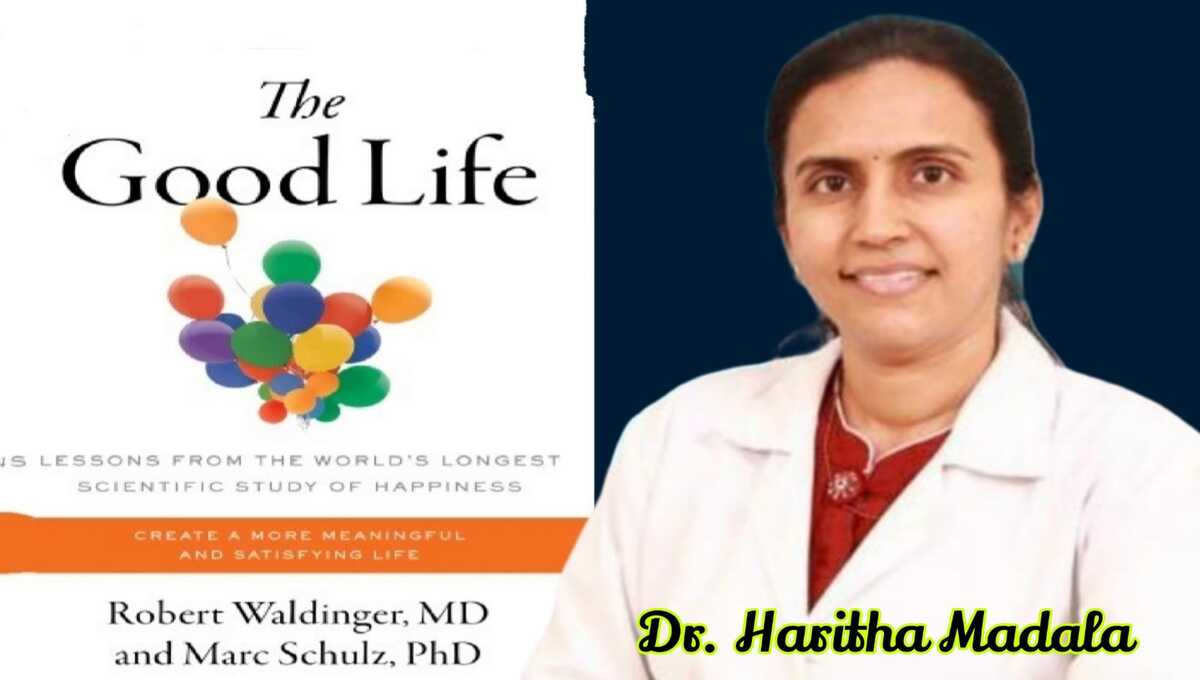
- Special Interview with Dr. Haritha Madala
Article Today, Hyderabad:
Is happiness rooted in wealth and power, or in human connection? To answer this enduring question, a landmark, multi-generational study conducted by Harvard University followed lives for over eight decades. Its conclusion is unambiguous: the quality of relationships determines both health and longevity. In an exclusive interview, Dr. Haritha Madala (9959639696), Dentist, Kondapur Dental Clinic, Hyderabad, explains the findings and their relevance on these topics…
Article Today: What exactly is the Harvard study, and when did it begin?
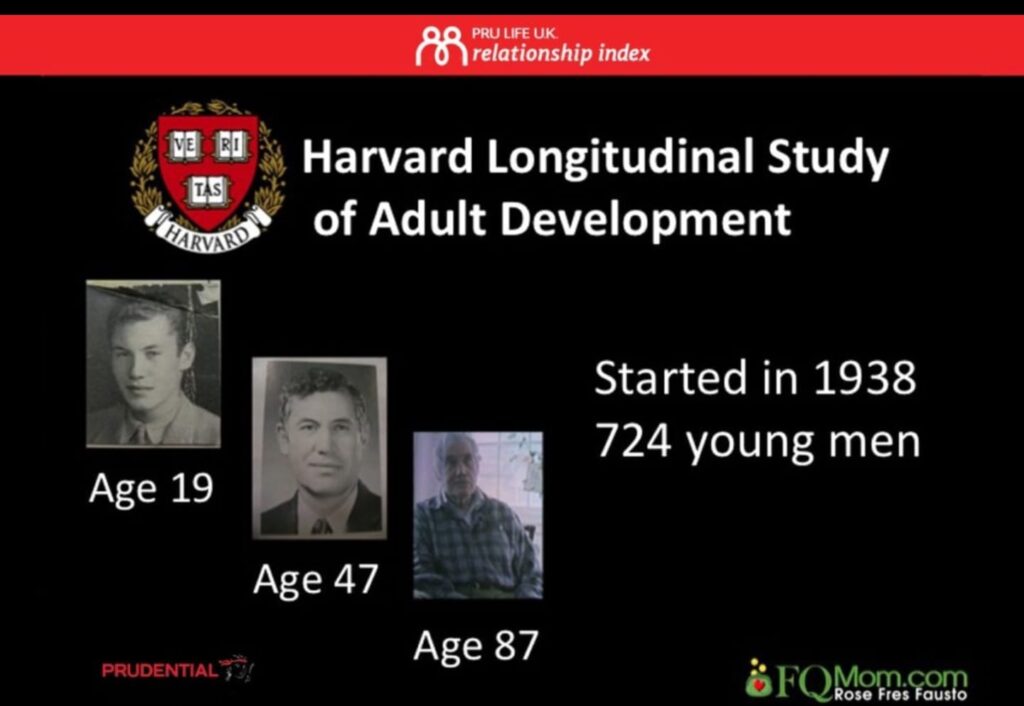
Dr. Haritha Madala: This is the world’s longest-running scientific study on adult life. It began in 1938 in Boston. Researchers selected two contrasting groups: Harvard College students and boys growing up in impoverished neighbourhoods. They tracked three generations over 84 years to understand what truly sustains happiness and health.

Article Today: What is the single most important conclusion from this long study?
Dr. Haritha Madala: The conclusion is remarkably simple. Good relationships keep people healthier and happier. Money, fame, or professional success do not provide lasting satisfaction. The strength and quality of our close relationships determine how well and how long we live.
Article Today: How are relationships directly linked to physical health?
Dr. Haritha Madala: The study shows that strong relationships at age 50 accurately predict physical health at age 80. In fact, relationship quality is a better predictor than cholesterol levels. People with supportive companionship experienced fewer chronic pains and better overall health in old age.
Article Today: Loneliness is increasing globally. How serious is its impact?
Dr. Haritha Madala: Loneliness is extremely harmful. Scientists equate prolonged loneliness to smoking fifteen cigarettes a day. Social isolation accelerates cognitive decline and physical illness. In countries like the United States, nearly one in four adults report chronic loneliness, making it a major public health concern.
Article Today: Does wealth guarantee happiness, as many believe?
Dr. Haritha Madala: No, it does not. The study documents cases like Leo DiMarco, a low-income schoolteacher with strong family and friendships who reported deep life satisfaction. Conversely, John Marsden, a wealthy lawyer, suffered profound loneliness despite professional success. Therefore, money alone cannot secure happiness.
Article Today: How did researchers collect such detailed data over decades?
Dr. Haritha Madala: They used rigorous and consistent methods. Participants completed detailed questionnaires every two years. Full medical records were collected every five years. Every fifteen years, researchers conducted home visits, observing behaviour and emotional well-being. Blood samples, DNA tests, and even brain donations were included.
Article Today: You often mention “social fitness.” What does it mean?
Dr. Haritha Madala: Social fitness is the ongoing effort to maintain relationships, just as we maintain physical health. It includes simple acts such as calling friends or sharing meals. Relationships do not sustain themselves automatically. They require time, attention, and lifelong commitment.
Article Today: Does marriage automatically lead to happiness?
Dr. Haritha Madala: Not necessarily. The study shows that the quality of marriage matters more than marital status itself. High-conflict marriages can be more damaging than peaceful solitude. Couples who communicated openly and resolved conflicts reported greater happiness and emotional security later in life.
Article Today: Is happiness a destination or a continuous process?
Dr. Haritha Madala: Happiness is not a final destination. It is a continuous process. This aligns with the concept of eudaimonia described by Aristotle, which values meaningful living over temporary pleasure. Purpose, service, and connection bring enduring fulfilment.
Article Today: Can people repair relationships even later in life?
Dr. Haritha Madala: Absolutely. There is no age limit to rebuilding bonds. Even participants in their eighties improved relationships by letting go of resentment and initiating honest conversations. When people choose empathy and openness, relationships can heal at any stage of life.
Article Today: How much did this extensive research cost, and who funded it?
Dr. Haritha Madala: Over seventy-five years, the study cost approximately 20 million dollars, which is over Rs.165 crores. After this immense investment, the researchers reached one clear conclusion: happiness is love. Ultimately, what protects and sustains us is the love we share.
Article Today: Has social media weakened real relationships?
Dr. Haritha Madala: Yes, significantly. Social media often presents unrealistic versions of life. People compare their private struggles with others’ curated images. As a result, they undervalue real relationships. Genuine connection requires face-to-face interaction, attentive listening, and emotional presence.
Article Today: What guidance does the study offer for parenting?
Dr. Haritha Madala: Parents should prioritise emotional security over material wealth. Participants who grew up with strong parental bonds showed greater stability, regardless of economic background. Teaching children empathy, cooperation, and emotional expression is the most valuable inheritance.
Article Today: Is the Harvard study still ongoing?
Dr. Haritha Madala: Yes, it continues today with the third generation. Researchers now use advanced tools such as brain imaging to study how relationships affect neurological health. Consequently, more insights into emotional well-being and longevity are expected in the future.
Article Today: Finally, what message would you like to give the public?
Dr. Haritha Madala: If you want to invest in your future happiness, invest in people, not possessions. Call a friend today. Resolve old conflicts. Every moment spent nurturing relationships strengthens your health. In the end, meaningful relationships are life’s greatest wealth.