
Article Today, London:
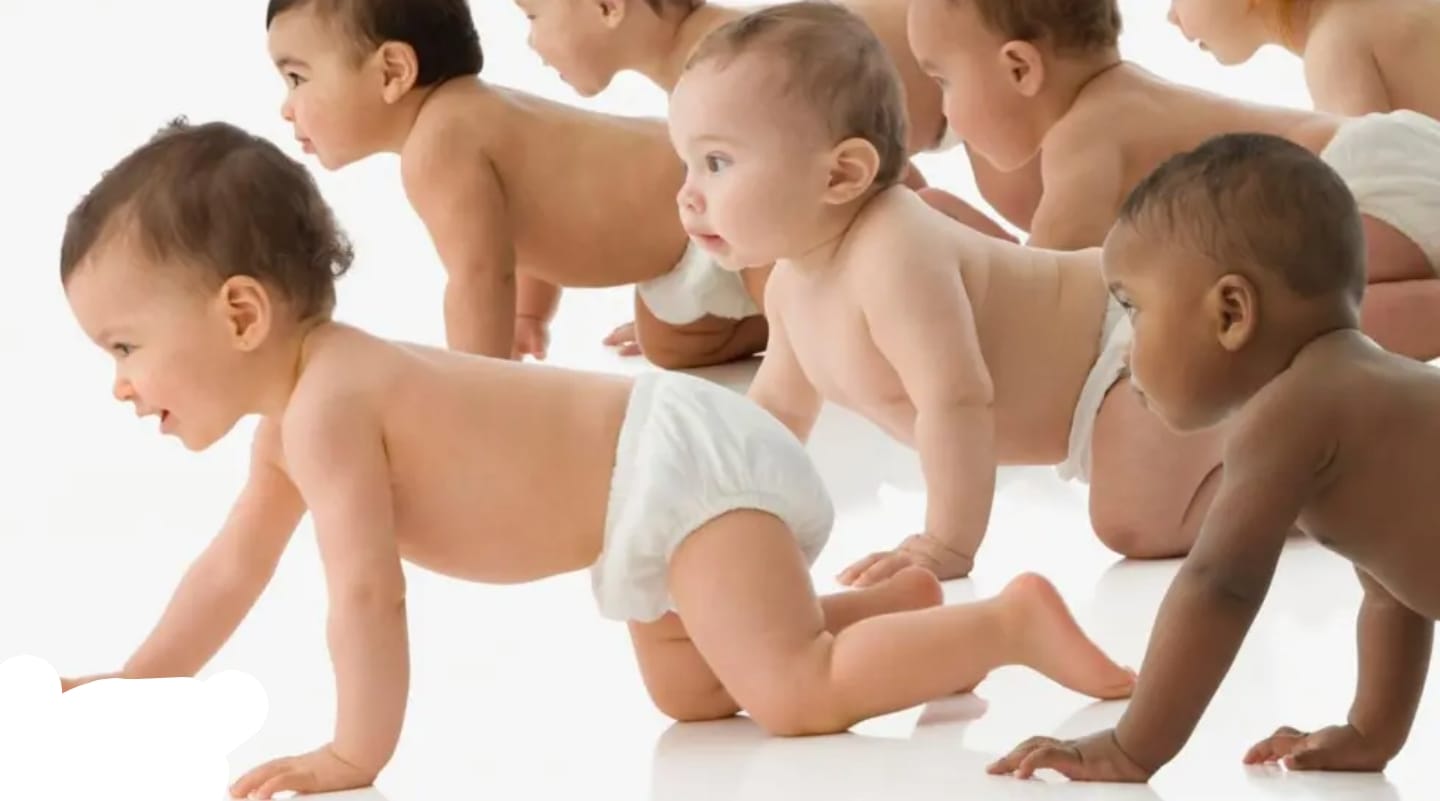
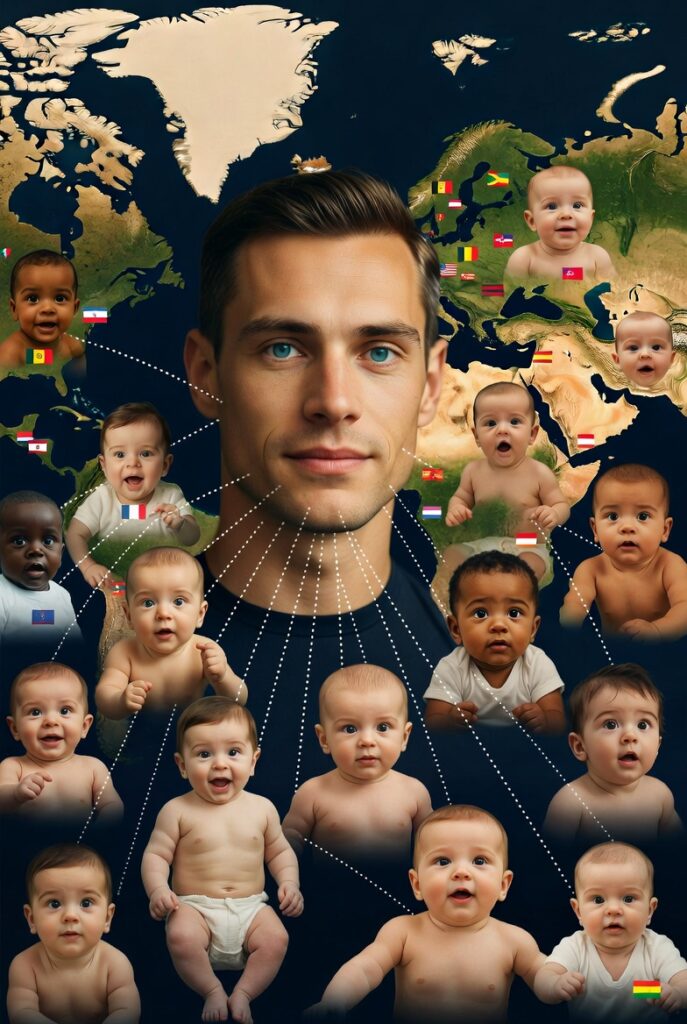
A recent investigation by the BBC has revealed that sperm from a single donor was used to conceive nearly 200 children across 14 countries. Medical screening later found that the donor carried a genetic mutation linked to an increased cancer risk. The case has drawn attention to gaps in international monitoring of sperm donation.
Expanding Global Market
Meanwhile, sperm donation has grown into a multi-billion-rupee global industry. In Europe alone, the market value is projected to cross Rs. 24,216 crore by 2033. The sector caters to infertile couples and single women seeking to have children through assisted reproduction.
Shortage of Eligible Donors
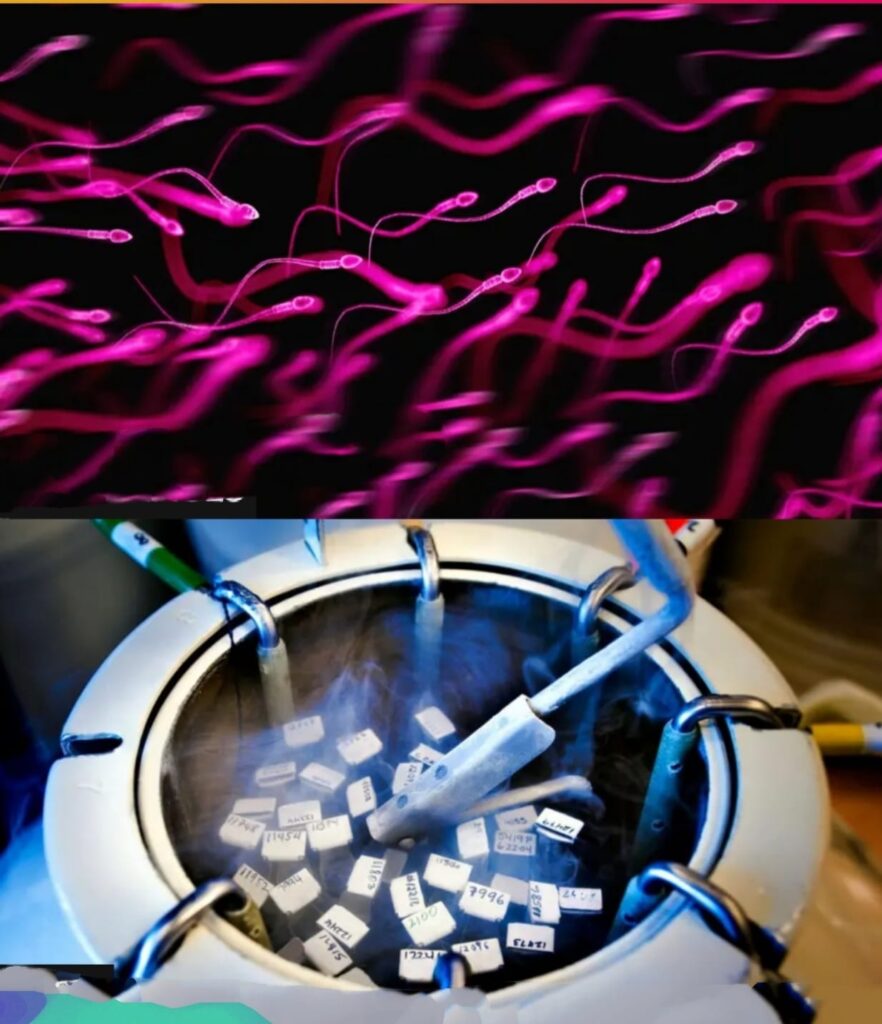
However, demand continues to outstrip supply. Only about five per cent of men who volunteer qualify as donors after rigorous screening. Clinics test sperm quality, freezing capacity, and the absence of infectious and hereditary diseases. As a result, several countries depend heavily on imported donor sperm.
Selective Donor Preferences
In addition, recipients increasingly select donors based on physical traits and personal profiles. Height, complexion, education, and voice samples influence choices. This has led to high demand for donors from specific regions, particularly northern Europe.
Denmark’s Dominance
Denmark has emerged as the world’s largest exporter of donor sperm. Cryos International, one of the largest sperm banks, supplies samples worldwide. Its founder Ole Schou has attributed the demand to donor participation rates and the genetic characteristics commonly associated with Danish donors.
Regulatory Limits Vary
Regulation of donor usage differs widely between countries. Some nations cap the number of children per donor, while others limit the number of recipient families. However, sperm is often exported across borders, allowing a single donor to exceed national limits internationally.
Risks of Untracked Use
Therefore, experts warn of the risk that half-siblings may unknowingly meet or form relationships. The lack of a shared international database increases this possibility, particularly in regions with high donor mobility.
Calls for Shared Registry
Following the cancer-linked case, Belgian authorities urged the European Union to establish a common donor registry. Belgium’s Deputy Prime Minister Frank Vandenbroucke said the industry requires tighter oversight. The EU’s reproductive health bodies have proposed limiting donor sperm use to 50 families, though ethical and privacy concerns remain under debate.
Ethical Questions Persist
Ultimately, specialists caution that balancing donor anonymity, child welfare, and medical safety will remain a complex challenge. The investigation has renewed calls for global coordination in an increasingly international fertility industry.

