- Schools Key to Prevention
- Telangana Focus Recommended
- Youth Well-being Prioritized
- Linking Health to Development
Article Today, New Delhi:
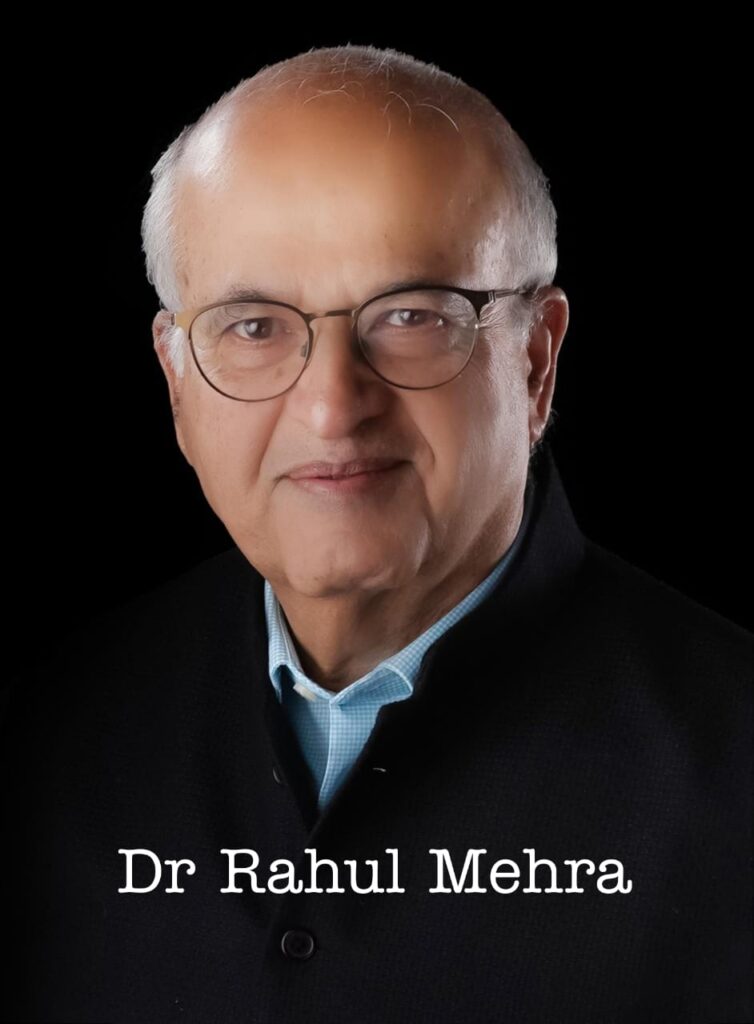
Achieving the goal of Viksit Bharat by 2047 will require sustained investment in the health and well-being of future generations, India’s UNESCO Chair Representative for Global Health and Education, Dr Rahul Mehra, has said. He noted that India’s average healthy life expectancy remains at about 60 years, which is significantly lower than that of countries such as Japan and China. Therefore, he argued that preventing disease through early and structured health education must become a national priority.
Call for Core Curriculum Status
Speaking on the need for reform in school education, Dr. Mehra stressed that health education should be introduced as a core subject in Telangana schools. He emphasised that effective health education must go beyond theoretical knowledge. Instead, it should focus on building physical, mental and social health behaviours that children can carry throughout their lives. According to him, habits formed during school years often shape long-term health outcomes.
Limits of Current Framework
However, Dr. Mehra pointed out that the current National Curriculum Framework includes “Physical Education and Well-being” mainly as an activity-based subject. While it promotes sports, yoga and physical fitness, it does not present a holistic view of health education. As a result, several critical dimensions of health remain outside the formal classroom discussion.
Need for Comprehensive Approach
In his view, comprehensive health education must address nutrition, hygiene, air quality, tobacco use, reproductive health and mental well-being. In addition, it should cover self-esteem, stress management, healthy communication and social well-being. Such an approach, he said, would enable students to make informed decisions and adopt responsible health behaviours from an early age.
Telangana’s Public Health Challenges
Meanwhile, Telangana continues to face growing public health challenges despite improvements in healthcare delivery. These include a rise in non-communicable diseases such as heart ailments and diabetes, high levels of anaemia among women and adolescents, increasing mental health concerns among young people, and the continued presence of communicable diseases. Dr. Mehra said these trends clearly underline the need for preventive, school-based health education.
Existing School Health Models
Dr. Mehra also referred to the work of Tarang Health Alliance, which he leads. The organisation has developed and implemented a comprehensive school health programme in regions such as Delhi NCR, the Chandigarh tri-state area and Jaipur. The programme includes a structured curriculum for middle school students, dedicated textbooks, teacher training and regular health seminars for parents. During the 2024–25 academic year, it expanded to 30 schools.
Appeal to State Authorities
Therefore, Dr. Mehra called upon the Telangana State Council of Educational Research and Training to develop a state-wide comprehensive school health programme. He said such an initiative should be supported by a structured curriculum, age-appropriate textbooks and trained health educators to ensure consistent implementation across all schools.
Health as Social Foundation
Concluding his remarks, Dr. Mehra said that health should be seen not merely as the absence of disease. Instead, it forms the foundation of a productive, resilient and empowered society. Integrating comprehensive health education into school curricula, he added, is essential for nurturing a healthier generation and supporting India’s long-term development goals.