
- Households Outpace Wealthy Donors
- Faith Shapes Charitable Choices
- A Nation Of Everyday Donors
Article Today, Hyderabad:
India is often described as a land of billionaires. However, new data suggest it is equally a nation of everyday givers. A recent study shows that ordinary households contribute far more to charity than is commonly assumed. Their giving sustains religious institutions, local communities and people in distress.
This generosity cuts across income levels. It reflects a culture where support for others forms part of daily life rather than an occasional act.
Households Lead The Way
According to the “How India Gives 2025” report by the Centre for Social Impact and Philanthropy at Ashoka University, households donate an estimated Rs. 54,000 crore each year. This figure challenges the notion that philanthropy is driven primarily by corporate social responsibility or ultra-wealthy benefactors.
Instead, families with modest incomes account for a substantial share of total contributions. The report describes this as a quiet but significant shift in how India gives.

Beyond Cash Contributions
Charity in India does not rely on money alone. The study finds that 68 percent of respondents contribute in some form. About 48 percent offer food or clothing. Around 44 percent give cash. Meanwhile, 30 percent volunteer their time.
In cities such as Kolkata, community kitchens provide visible examples of such support. In rural areas, households donate grain, used clothing or fodder. The form of giving changes by region, but the impulse remains consistent.
Faith And Motivation
Religious belief plays a central role in motivating donations. More than 90 percent of donors cite faith as an important influence. Nearly 45.9 percent of contributions go to religious institutions. At the same time, 40 percent of respondents provide direct assistance to individuals in need.
Non-religious organisations receive a smaller share. However, the underlying driver appears to be a blend of faith and empathy rather than institutional preference alone.
Education And Income Patterns
The report also notes a link between education and giving. Graduates and postgraduates report higher participation in charitable activities. Yet income is not the sole determinant. Even among households earning Rs. 4,000 to Rs. 5,000 per month, about half reported donating in some form.
As income rises, the likelihood of giving increases. Gender dynamics also influence patterns. In male-dominated households, religious contributions are more common. Where women play a greater decision-making role, assistance to the poor tends to rise.
Direct Appeals Matter
Many donors prefer direct interaction. About 25 percent respond immediately when approached face to face. They show greater trust in in-person appeals or contributions made at places of worship than in digital campaigns.
The study draws on responses from 7,000 individuals across 20 states. It suggests that giving in India is not episodic. It has become a habitual practice embedded in social life.
Southern States Stand Out
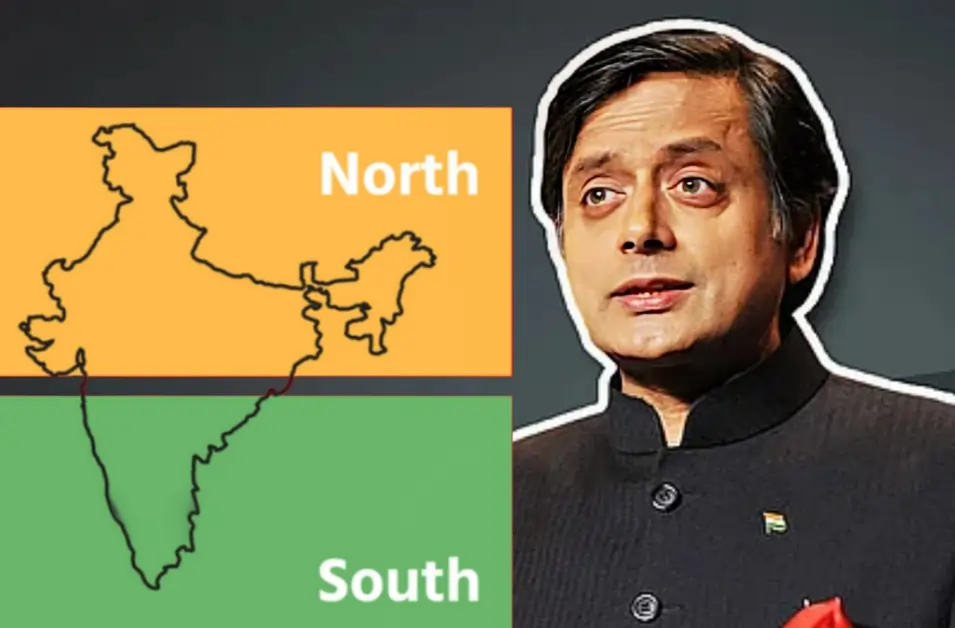
The report highlights regional differences. Southern states, particularly Karnataka and Telangana, show strong giving cultures. Households in these states allocate an average of 2 to 3 percent of their monthly income to social or charitable causes.
In northern states, contributions often surge during religious festivals. However, the overall pattern shows sustained engagement across regions.
Urban And Rural Divide
Urban areas report higher levels of cash donations, at about 55 percent. In contrast, more than 60 percent of rural contributions take the form of goods. This reflects differences in access, income flow and local needs.
Therefore, while the method varies, the commitment does not. India’s charitable landscape reveals a steady current of generosity rising from below. It is powered not by extraordinary wealth, but by ordinary citizens who continue to give, often quietly and consistently.