- Complaints Fall Amid Growing Fear
- Muslims, Christians Face Repeated Attacks
- Bias Allegations within State Systems
Article Today, New Delhi:
India’s constitutional commitment to secularism is facing renewed scrutiny. However, recent accounts from minorities suggest a widening gap between principle and practice. Political polarisation, backed by ideological mobilisation, has intensified anxieties among religious minorities across several States.
Complaint Data Signals Distress
According to the National Commission for Minorities, a total of 1,390 complaints were received in 2024. Although this reflects a decline of nearly 30% compared to the previous year, officials caution that the drop does not indicate improved conditions. Instead, fear of reprisals and lack of trust in enforcement agencies have discouraged victims from reporting incidents.
Fear of Retaliation
Meanwhile, minority groups report reluctance to approach the police. Many fear that filing complaints could invite further harassment or social backlash. Rights advocates argue that official statistics fail to capture the scale of unreported violence, particularly in politically sensitive regions.
Muslims as Primary Targets
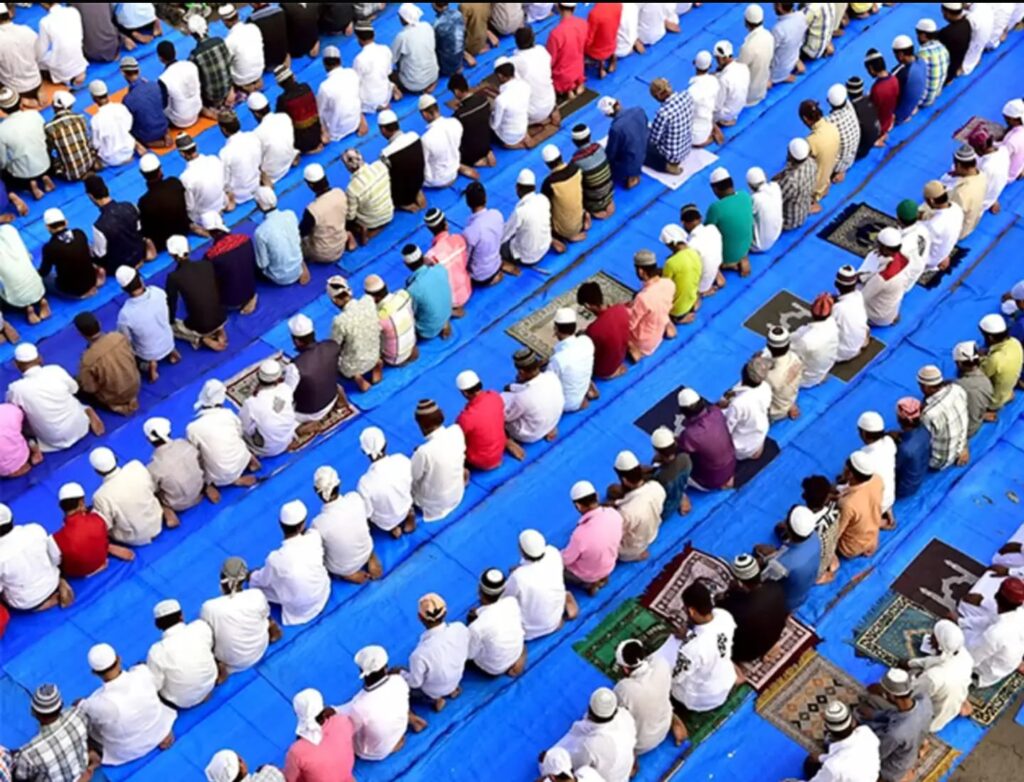
In recent years, Muslims have emerged as the most affected group in recorded complaints. Campaigns around issues such as alleged forced conversions and cattle protection have fuelled hostility. Incidents of mob violence linked to these narratives have continued, often without swift condemnation. Observers note that such polarisation is frequently linked to electoral mobilisation.
Escalation Against Christians
In addition, violence against Christians has increased sharply. Recorded incidents rose from 147 in 2014 to 706 by November 2025. Over the past decade, rights groups estimate more than 5,000 attacks nationwide. Churches and prayer halls have been targeted, while pastors have faced arrests and physical assaults, often linked to accusations under conversion-related laws.
Impact of Conversion Laws
Anti-conversion legislation enforced in at least 12 States has had far-reaching consequences. Critics argue that these laws undermine the constitutional right to freedom of religion. Allegations of misuse are common, with vigilante groups reportedly invoking legal provisions to justify intimidation and violence.
Policing and Institutional Bias
The Status of Policing in India Report has highlighted concerns within law enforcement. The report indicates growing perceptions of religious bias among police personnel. In several cases, complainants from minority communities have been treated as suspects rather than victims.
Democratic Concerns
Therefore, analysts warn that unchecked religious bias within institutions poses serious risks to democratic accountability. Without credible safeguards and impartial enforcement, minority confidence in the justice system continues to erode, raising broader questions about equality before law in contemporary India.