- State Authority Deeply Fractured
- Security Forces Remain Divided
- A Nation in Uncertainty
Article Today, Venezuela:
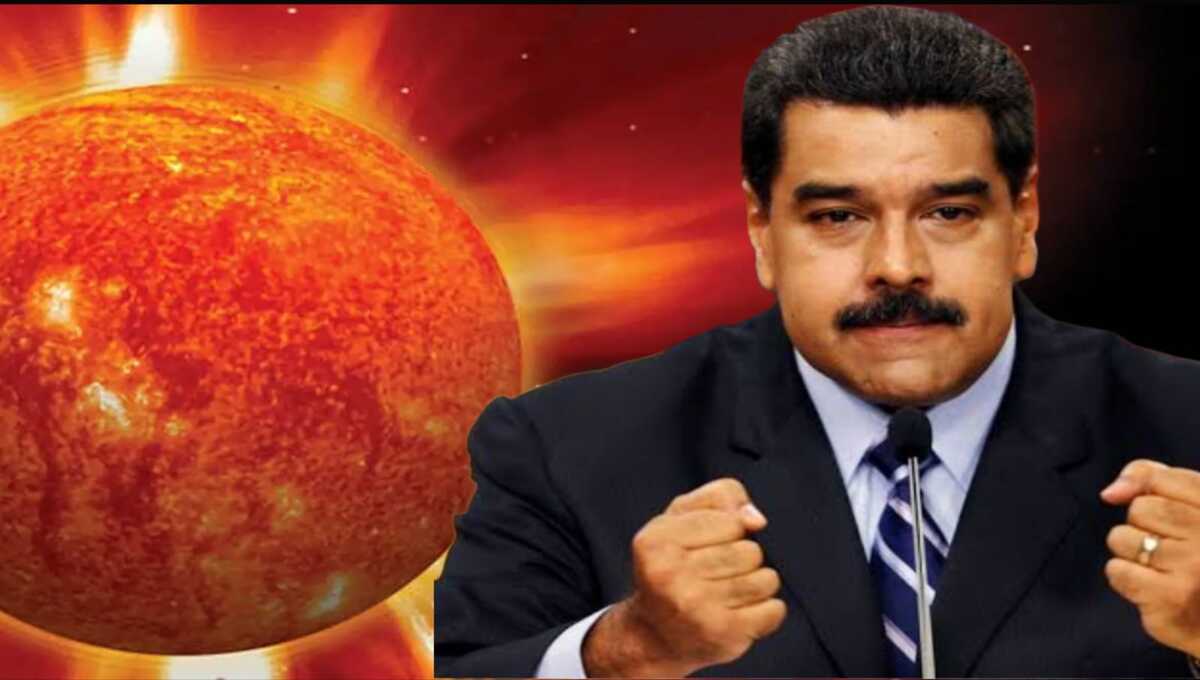
Venezuela is witnessing an unusual and dangerous phase. Although a new administration has taken office, real authority on the streets remains contested. Former President Nicolás Maduro is currently under American custody. However, his influence continues to shape daily life. As a result, the country appears trapped between two centres of power. This rivalry has intensified tensions and pushed the nation closer to violence.
Old Loyalties Within Institutions
Maduro’s long rule allowed him to entrench loyalists across state institutions. Consequently, many civil servants and senior officials still align with him. Even after the installation of an American-backed government, these officials openly participate in pro-Maduro demonstrations. Meanwhile, administrative machinery struggles to function. The new leadership finds it difficult to enforce authority over offices that remain ideologically opposed.
Armed Civilian Groups Resurface
During Maduro’s presidency, armed civilian groups known as colectivos were encouraged and protected. In the wake of his arrest, these groups have returned to the streets. They operate independently of the new administration and openly threaten dissenters. Moreover, sections of the police are accused of turning a blind eye. Therefore, law enforcement has weakened further, creating fear among ordinary citizens.
Capital Under Nightly Control
In the capital city of Caracas, the situation shifts by the hour. During the day, security forces loyal to the new government maintain patrols. However, at night, pro-Maduro elements dominate several neighbourhoods. Residents who celebrated Maduro’s arrest have reportedly faced intimidation and attacks. As a result, even government offices hesitate to remove symbols of the former regime.
Military Divisions Deepen
The armed forces are increasingly split. Senior generals, many of whom benefited under Maduro, are believed to remain loyal to him. In contrast, lower-ranking soldiers appear more receptive to the new leadership. This internal division has raised fears of a possible internal conflict. Intelligence officials suggest that parts of the military quietly support protests demanding Maduro’s release.
Anti-American Sentiment Grows
Supporters of Maduro have framed recent political changes as foreign interference by the United States. This narrative has gained traction among sections of the population. Consequently, protests have taken on a strong anti-American tone. These demonstrations have embarrassed the new administration on the international stage and complicated diplomatic efforts.
International Attention and Concern
According to reports by The New York Times, Venezuela’s crisis reflects the limits of political transition without institutional reform. Despite formal changes at the top, the underlying power structure remains intact. Therefore, stability continues to elude the country.
An Uncertain Road Ahead
Venezuela now faces a critical test. To assert control, the new government must dismantle entrenched networks built over years. However, the scale of resistance makes this task daunting. Meanwhile, pressure from abroad and unrest at home persist. For now, the country’s future remains uncertain, caught between the legacy of the past and the promise of change.