- Cadre Life Marked Hardship
- Leaders Rejoin Mainstream
Article Today, Hyderabad:
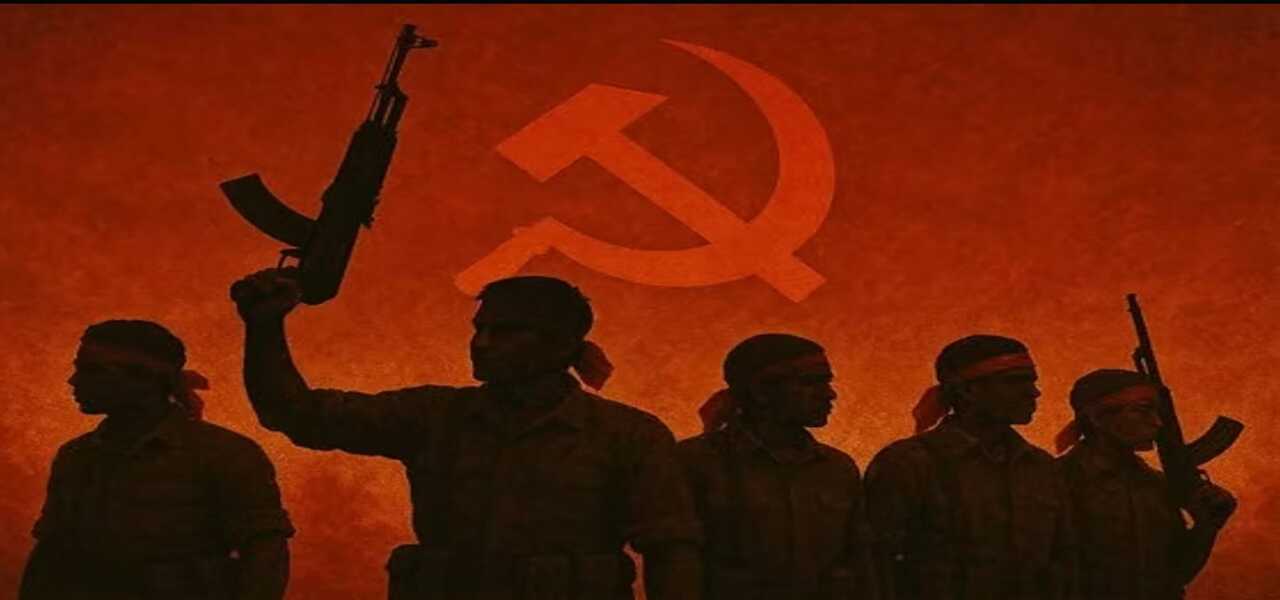
The Maoism began with claims of social justice and equality. It promised empowerment of the poor through armed struggle. However, accounts from surrendered cadres indicate a growing gap between stated ideals and lived reality. Over time, the movement’s focus shifted from welfare to control.
Violence Against Civilians
According to former members, ordinary villagers increasingly became targets. On suspicion of being informers, innocent tribal people faced punishment. This practice, they say, contradicted the movement’s original principles. As a result, fear replaced support in many interior regions.
Life in Secrecy
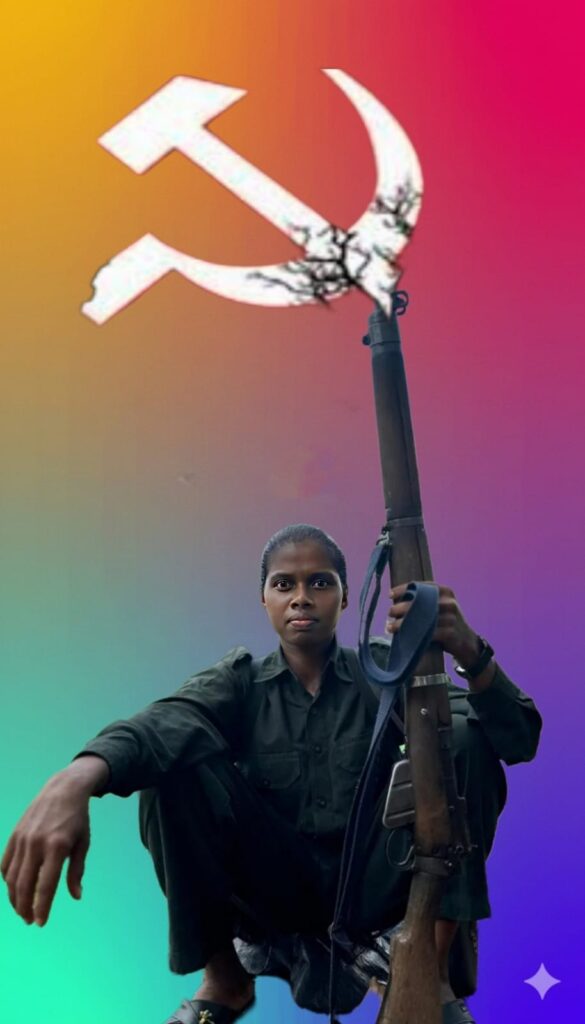
Life in forest camps proved harsh and uncertain. Cadres lived under constant threat from security forces. Food shortages and lack of medical care were common. During monsoons, conditions worsened further. Consequently, illness and exhaustion weakened morale among younger recruits.
Discipline and Coercion
Former cadres report that strict internal discipline often crossed into abuse. Leaders enforced obedience through intimidation. Many recruits felt trapped and unable to leave. Therefore, resentment grew quietly within the ranks.
Gender Inequality Persists
Despite claims of equality, women faced discrimination. They were largely confined to domestic tasks. Participation in decision-making remained limited. In addition, surrendered women alleged harassment by senior leaders. Restrictions on marriage and reports of forced abortions have also surfaced.
Funding and Control
The movement relied heavily on extortion for funds. Contractors and traders were forced to pay levies. However, lower-level members said they had no clarity on how funds were used. Allegations persist that senior leaders lived comfortably while cadres struggled for basic needs.
Shifting Perspectives
Over the years, many cadres began reassessing their choices. They concluded that violence failed to deliver meaningful change. Meanwhile, development programmes and welfare schemes drew attention to alternative paths. This shift encouraged several to surrender.
Return to Mainstream
Governments offered rehabilitation packages to those who laid down arms. These included housing support, land titles, and education assistance. As a result, many former cadres rejoined civilian life and focused on their families’ future.
Toward a Peaceful Path
Those who left the movement now describe it as a mirage. They argue that prolonged conflict only fractured families and communities. With declining influence in several regions, the so-called red corridor is shrinking. Increasingly, people are choosing development and peace over armed struggle.