

Article Today, Hyderabad:
The pressure of examinations and social expectations continues to claim young lives in India. In 2022, as many as 2,248 students died by suicide after failing in examinations. According to national data, nearly 1.7 lakh people died by suicide that year, of whom one-third were below the age of 30. Experts have expressed deep concern over the growing trend of failure related deaths among students.
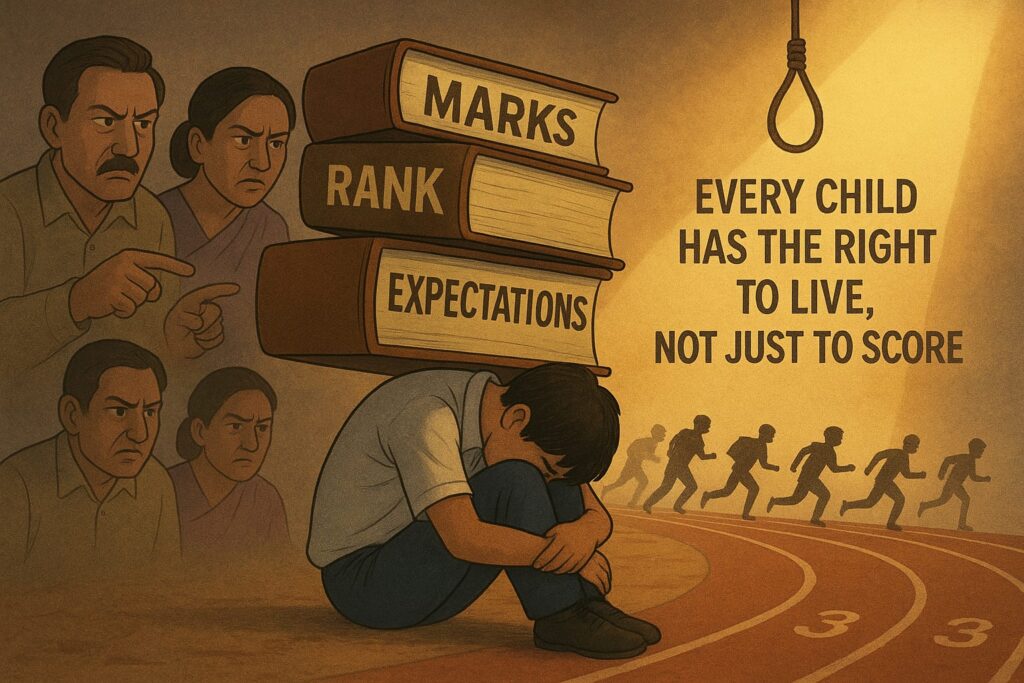
Invisible Pressures
In middle-class households, invisible pressures weigh heavily on young people. The fear of what relatives and neighbours might say often becomes a bigger burden than the examination itself. Rising costs of tuition, coaching fees, and expectations to secure the family’s future intensify this stress. As a result, even a minor setback appears like a major catastrophe in the minds of many students.
Kota Tragedies
Reports show that coaching hubs such as Kota in Rajasthan remain hotspots for such tragedies. In 2023 alone, 26 students in Kota died by suicide, followed by 17 in 2024. By May 2025, 14 more students had taken the extreme step. Experts attribute these deaths to shame, loneliness, and the sudden backlash from families facing financial strain after investing heavily in coaching. The academic race is increasingly turning into a battlefield of survival.
Social Stigma and Isolation
Social stigma also plays a role in these tragedies. Students facing harassment, abuse, or unplanned pregnancies often hesitate to seek help for fear of family dishonour. This sense of isolation, combined with guilt and shame, pushes many to end their lives. Handwritten notes left behind by victims often reflect remorse and an inability to cope with expectations.
Parental Role
Psychologists stress the importance of parental support. They advise parents to listen without judgment, avoid harsh criticism, and seek professional help when warning signs appear. Sudden changes in behaviour, loss of interest, and expressions of hopelessness must be taken seriously. Experts say small changes in family approach can make a difference, even in environments where shame dominates household culture.
Need for Systemic Change
Specialists argue that suicide prevention cannot be left to families alone. Schools and governments must work together to normalise counselling during examination periods. Teachers require training to identify emotional distress in students. Wider awareness about helplines such as Tele-MANAS (14416 / 1-800-891-4416) is also critical. Experts recommend mandatory counselling hours for all students, particularly during exam seasons.
Call for Compassion
Mental health experts emphasise the need to shift social narratives. The constant fear of “what will people say” must give way to open conversations that ask, “Do you need help?” They underline that every child has the right to live with dignity, not merely to score marks.