
- Only Few Sustain Excellence
- Versatility Drives Lasting Success
- Early Promise, uncertain Future
Article Today, Hyderabad:
A child scoring centuries before turning ten may excite parents and coaches. However, researchers caution against quick conclusions. Early flashes of brilliance often fail to translate into lasting success. Recent studies suggest that patience, not haste, is the real investment behind sustained achievement.
Findings From Long-term Research
A major study led by German researcher Arne Güllich examined the lives of Olympic champions, Nobel Prize winners, world-renowned musicians and elite chess players. The findings were striking. Only about 10 per cent of top achievers had shown exceptional talent in early childhood. The remaining majority appeared quite ordinary in their formative years, challenging the belief that child prodigies inevitably become great adults.
Why Early Speed Becomes a Burden
Children pushed into a single discipline at a young age often progress rapidly at first. However, constant pressure from parents and coaches soon takes a toll. Mental fatigue, commonly described as burnout, sets in early. With little exposure to other fields, creative thinking narrows. Over time, growth stagnates, and many promising careers end prematurely.
Value of Late Development
Meanwhile, children who explore multiple interests and learn at their own pace tend to flourish later. Diverse experiences build emotional maturity and resilience. Gradual commitment to a chosen field allows them to perform consistently over longer careers. Many celebrated achievers followed this path rather than racing ahead in childhood.
Lessons From Global Achievers
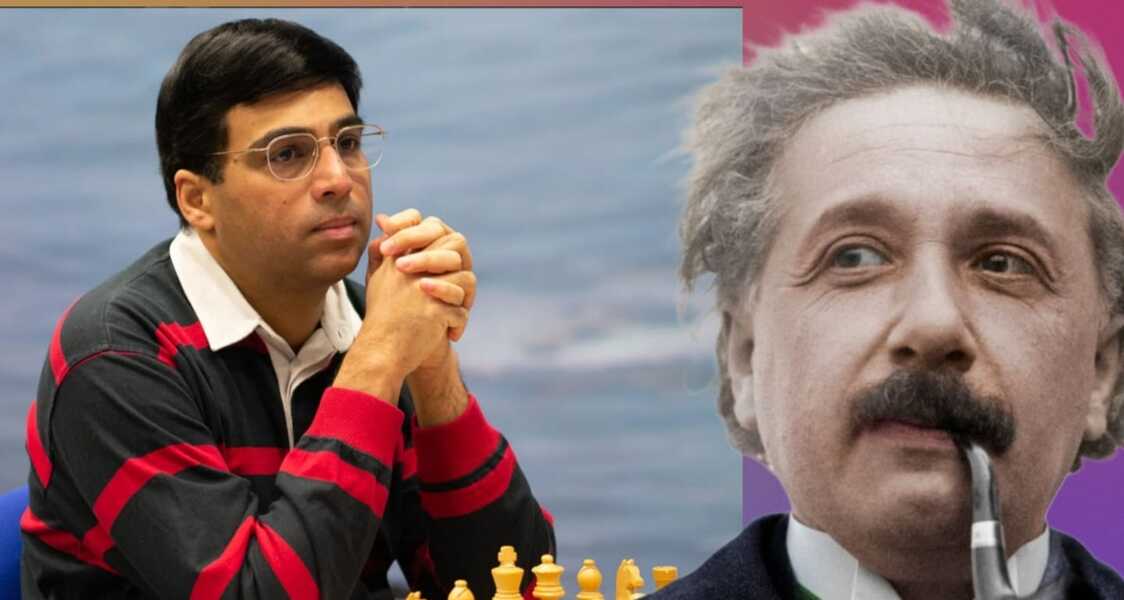
Several examples underline this pattern. Michael Jordan played both basketball and baseball before reaching sporting greatness. Charles Darwin showed no early signs of genius during his initial academic years. Chess legend Viswanathan Anand also progressed steadily rather than explosively. Their journeys highlight the power of sustained growth over early acceleration.
Prodigies Versus Performers
While figures like Mozart or Tiger Woods were recognised early, others such as Beethoven or Jordan left a deeper and longer-lasting impact. Even Albert Einstein was not considered exceptional as a child. In many sports, early standouts often disappear at senior levels due to excessive strain and limited adaptability.
A Message for Parents
Therefore, the study offers a clear lesson for families. Chasing ranks, medals or records at a young age can damage long-term potential. Children benefit from freedom, variety and time. Natural ability often emerges later when nurtured with patience. As researchers emphasise, lasting success belongs not to early sparks, but to those who glow steadily over time.