
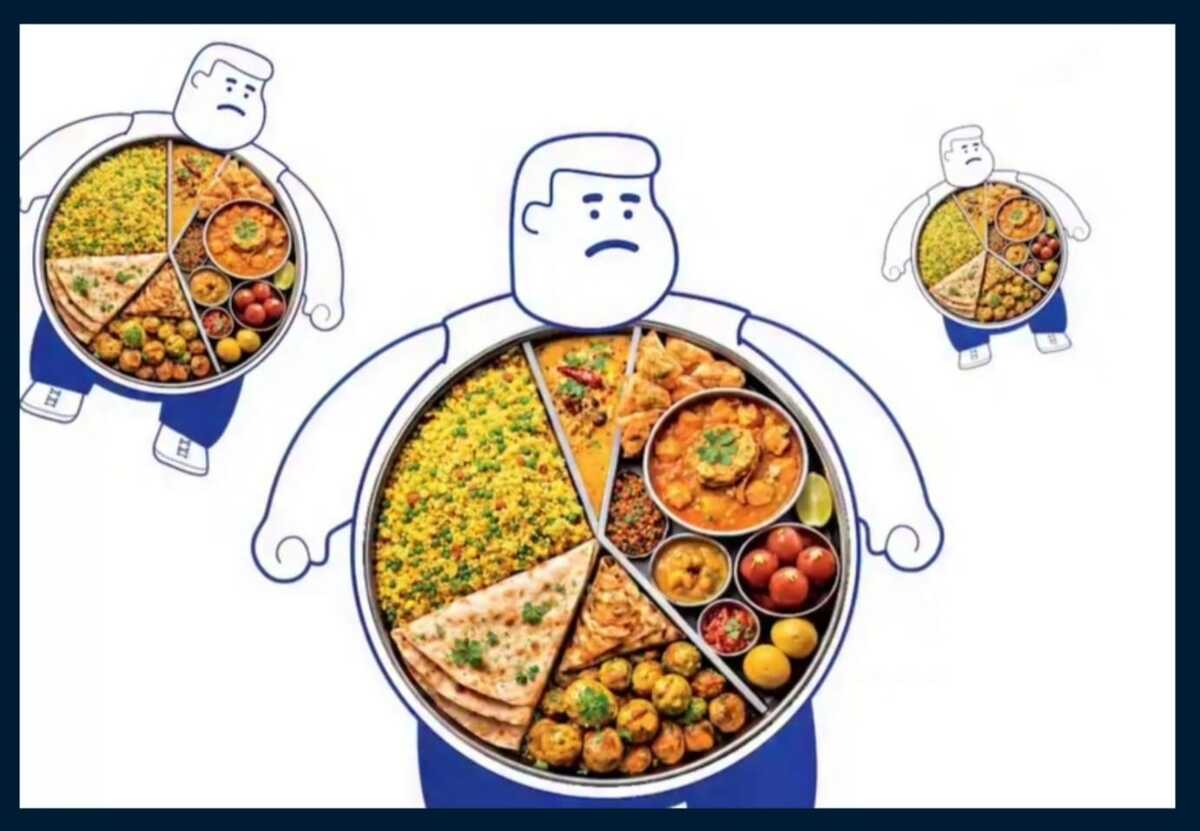
- High Carbohydrate Intake
- Low Protein Consumption
- Rising Metabolic Risks
- Nationwide Survey Highlights Dietary Concerns
Article Today, Hyderabad:
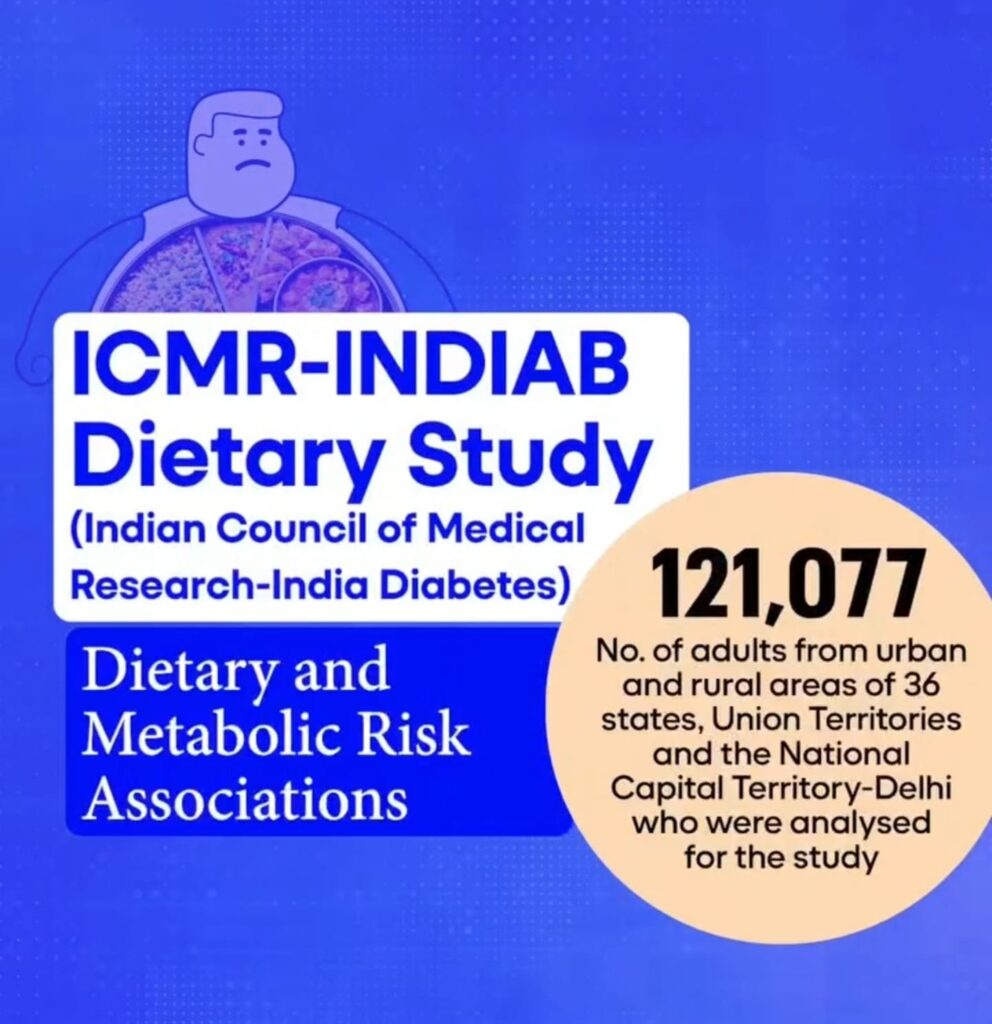
A comprehensive study by the Indian Council of Medical Research–India Diabetes (ICMR–INDIAB) has revealed significant shifts in dietary patterns across India. The research links these changes to increasing rates of diabetes, prediabetes, and obesity.
Carbohydrate-Dominant Diets Prevail
The study analysed dietary data from over 18,000 adults drawn from a larger survey of 1,21,077 participants across all states and union territories. Researchers found that carbohydrates account for 62 per cent of daily energy intake on average. This figure places Indian diets among the highest in carbohydrate consumption globally.
Sources of Carbohydrates Examined
Much of this intake comes from refined sources. White rice dominates in southern, eastern, and northeastern regions. Wheat-based products prevail in northern and central areas. Added sugars also contribute substantially. In 21 states and union territories, added sugar intake exceeds the recommended limit of less than five per cent of total energy.
Protein Intake Remains Suboptimal
Protein contributes only about 12 per cent of daily energy. Most comes from plant sources such as cereals, pulses, and legumes. Dairy and animal proteins remain low nationwide. However, the Northeast shows relatively higher protein consumption.
Fats and Saturated Fats Assessed
Total fat intake generally stays within guidelines at less than 30 per cent of energy. Yet saturated fat exceeds recommended levels in most states. Only four states meet the threshold for metabolic health.
Links to Metabolic Disorders Established
Higher carbohydrate consumption correlates with elevated risks. Individuals in the highest intake group face 30 per cent greater odds of newly diagnosed type 2 diabetes compared to those in the lowest group. Risks for prediabetes rise by 20 per cent. General obesity increases by 22 per cent. Abdominal obesity also shows association.
Substitution Models Offer Insights
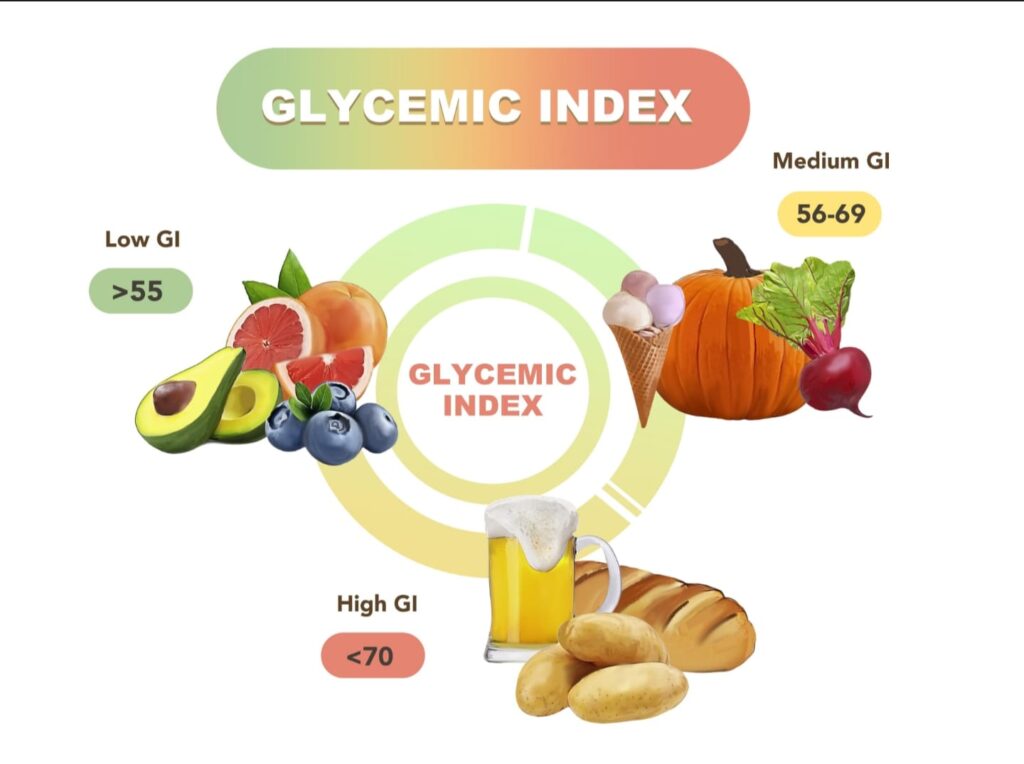
The study modelled isocaloric substitutions. Replacing five per cent of carbohydrate energy with plant or dairy proteins reduces risks of diabetes and prediabetes. Substitutions with eggs or fish yield similar benefits. However, replacing with red meat or additional fats shows no improvement.
Regional Variations Noted
Dietary diversity exists across regions. Refined cereal intake reaches highest levels in the Northeast. White rice forms the bulk in many areas. Switching to whole grains alone does not sufficiently lower risks without reducing total carbohydrates.
Broader Implications for Public Health
The findings build on earlier ICMR–INDIAB reports showing national prevalence of diabetes at 11.4 per cent and prediabetes at 15.3 per cent. Obesity rates stand high. Therefore, addressing dietary imbalances emerges as crucial for curbing the rise in non-communicable diseases.
Path Towards Healthier Eating
Small modifications in macronutrient balance can yield substantial benefits. In addition, incorporating more pulses, dairy, and diverse proteins supports better metabolic health. Meanwhile, reducing reliance on refined carbohydrates remains key.