
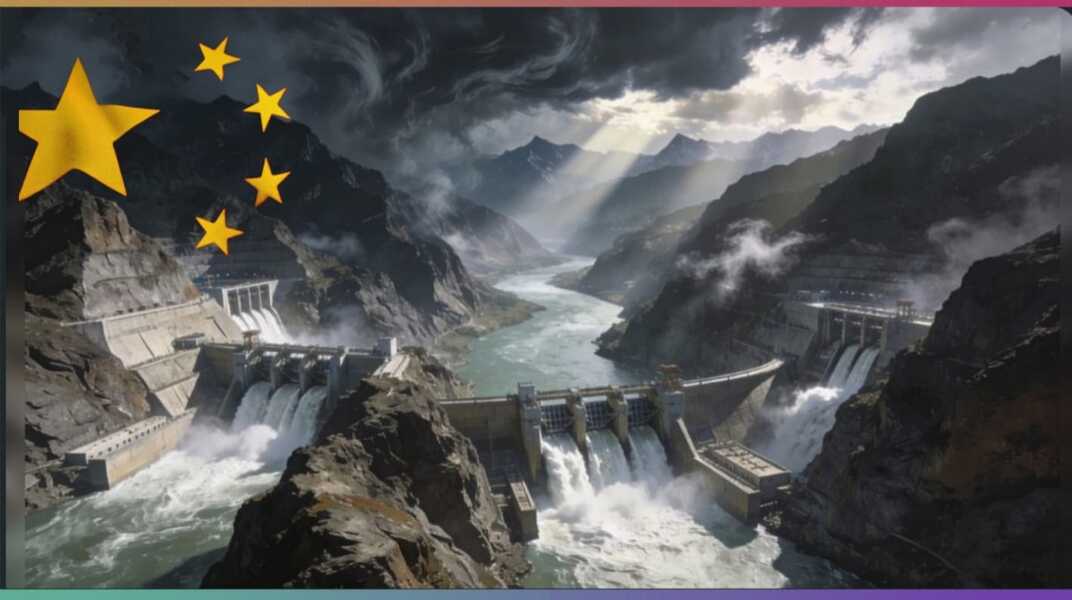
- Mega Dam on Brahmaputra
- Downstream Nations Face Risk
- Strategic Control Over Flows
Article Today, New Delhi:
China has initiated construction of the world’s most powerful hydropower dam in the Himalayan region of Tibet. The project is located on the Yarlung Tsangpo river, which flows into India as the Brahmaputra. Once completed, the structure would give Beijing significant control over a transboundary river that sustains millions of people downstream.
Strategic Implications
Although officially described as a power generation project, the dam has serious strategic implications. Control over upstream water flows allows China to regulate the timing and volume of water entering India and Bangladesh. Therefore, the project is increasingly viewed in New Delhi as an instrument of water leverage rather than a purely economic venture.
Flood and Drought Risks
Experts and regional leaders have warned that the dam could function as a “water bomb” under certain conditions. Sudden release of large volumes of water could trigger artificial floods in Arunachal Pradesh and Assam. Conversely, prolonged retention of water could reduce flows during critical seasons, increasing the risk of drought in downstream regions.
Scale and Investment
China is reportedly investing about 168 billion dollars in the project, equivalent to more than Rs. 14 lakh crore. The design involves diverting river water from nearly 2000 metres through complex tunnels and underground power stations. In addition, the project’s scale far exceeds existing hydropower installations in the region.
Historical Precedent
China’s record on other international rivers has added to regional concerns. On the Mekong river, upstream dams have been linked to water shortages and ecological stress in downstream countries. However, Beijing has consistently rejected accusations of causing harm, maintaining that its projects are managed responsibly.
India’s Response
The Indian government is closely monitoring developments. The Ministry of External Affairs has expressed concern in Parliament over the lack of transparency surrounding the project. Meanwhile, India has announced plans to accelerate its own hydropower project of about 11,200 megawatts on the Brahmaputra to safeguard strategic and water security interests.
Environmental Concerns
The Himalayan region is seismically active and environmentally fragile. Large dams in such terrain carry significant risks, including landslides and earthquakes. Any structural failure could have catastrophic consequences for populations living downstream, raising serious questions about long-term safety.
Global Scrutiny
International institutions, including research bodies such as the Stimson Center in the United States, have flagged the risks associated with the project. Critics argue that China’s approach undermines established principles of international water governance. Therefore, the dam has become a focal point of broader concerns about regional stability and water security in South Asia.