- BJP MP Sparks Controversy
- Remarks on Population Balance
- Opposition Raises Sharp Objections
Article Today, Maharashtra:
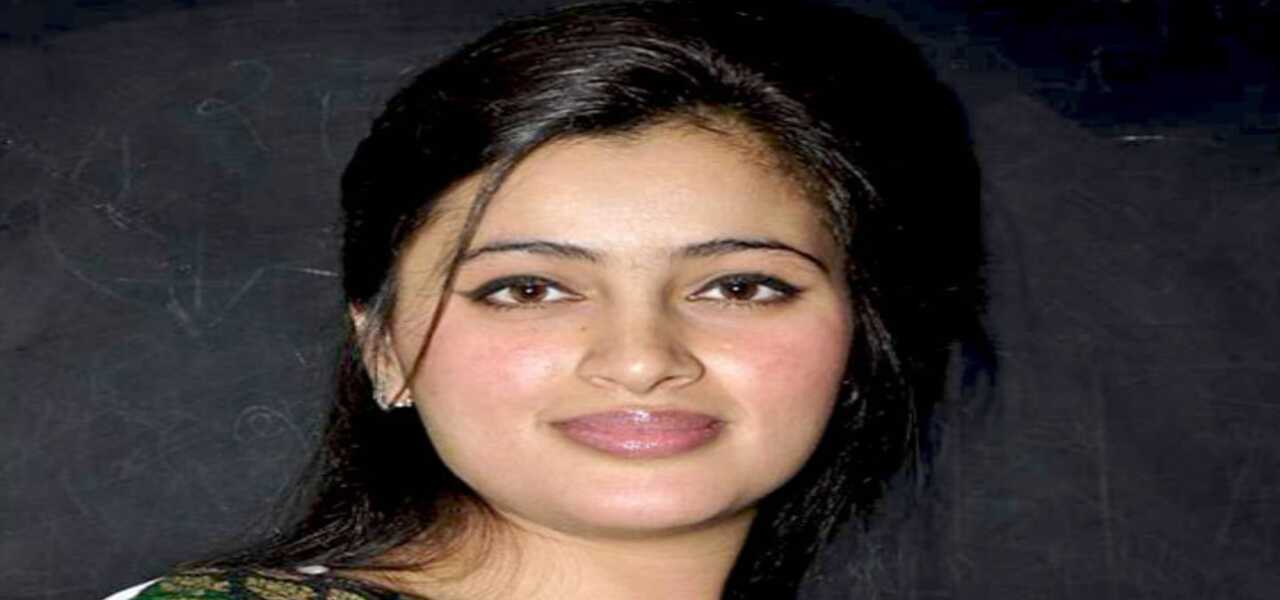
Political temperatures rose in Maharashtra after Bharatiya Janata Party MP Navneet Kaur Rana made remarks urging higher birth rates among Hindus. Speaking to the media in Amravati, she said demographic changes posed a serious challenge to the country’s future. Her comments quickly circulated on social media and drew nationwide attention.
Appeal for Larger Families
Rana called upon Hindu families to have at least three or four children. She argued that limiting families to one or two children could weaken what she described as demographic balance. Referring to certain religious leaders, she claimed that some individuals had multiple wives and many children, which, she said, could alter population patterns over time.
Allegations of Conspiracy
The MP alleged that deliberate efforts were underway to change the country’s demographic character. She said such moves needed to be countered firmly. According to her, increasing family size was necessary to protect Hindu society and prevent what she termed as a dangerous shift in the nation’s identity.
Political Reactions Intensify
However, the remarks drew immediate criticism from opposition parties. Congress leaders said population growth was already a serious concern for India. They argued that promoting higher birth rates was irresponsible and ignored economic and environmental realities.
Congress Response
Congress MP Manickam Tagore said population control, not expansion, was the real challenge facing the country. He accused leaders of the Bharatiya Janata Party and the Rashtriya Swayamsevak Sangh of promoting unscientific ideas that could deepen social divisions. He urged political leaders to rely on data and rational policy instead of rhetoric.
Echoes of Earlier Views
Meanwhile, Rana’s comments were compared with earlier statements by RSS chief Mohan Bhagwat, who had spoken about the need to maintain population balance. Such views, often aired in election seasons, have repeatedly sparked debate across the political spectrum.
Wider Implications
Analysts note that demographic discussions often resurface during politically sensitive periods. In an era shaped by technology and economic change, many observers questioned the relevance of such arguments. The controversy has once again highlighted the sharp ideological divides over population, identity, and governance in contemporary Indian politics