
- AI Dependence Dulls Thinking
- Stanford Student Takes Stand
- Effort Over Automated Shortcuts
- A Deliberate Choice
Article Today, Hyderabad:
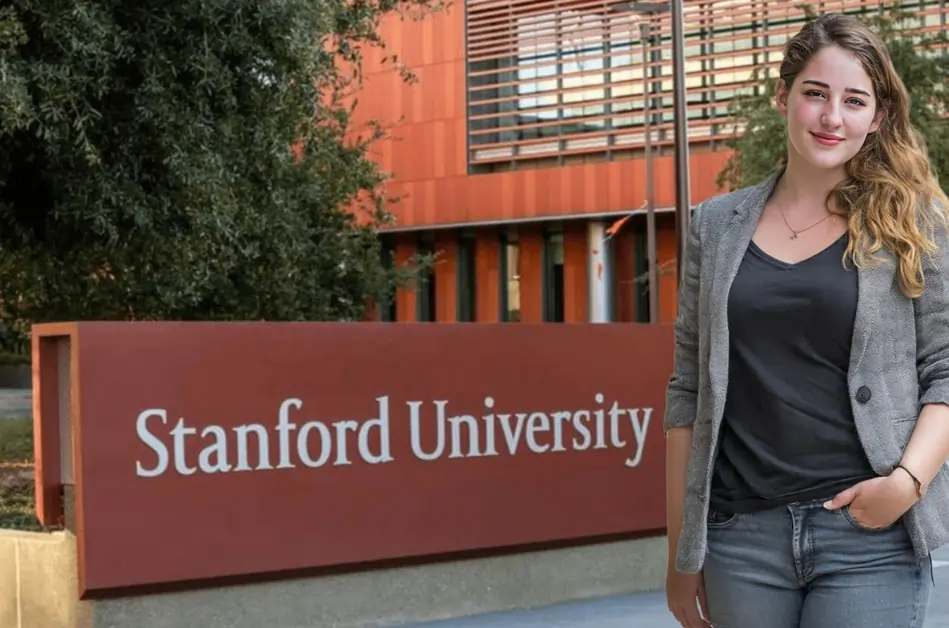
At a time when artificial intelligence (AI) tools are becoming routine in higher education, a student at Stanford University has taken a conscious decision to step away from them. The student, Rosanna Maris Arias, chose to stop using ChatGPT for academic work, citing concerns over its impact on independent thinking and learning.
Resisting Easy Solutions
For many students, AI tools offer quick answers to assignments and projects. However, Rosanna believed that reliance on such tools weakened her engagement with the subject. She felt that automated assistance replaced the effort required to analyse, read, and write on one’s own. Therefore, she decided to rely entirely on personal study and original writing.
Learning Beyond Grades
According to the student, education is not limited to scoring marks or completing tasks on time. Instead, it is meant to expand reasoning ability and depth of understanding. She argued that constant AI use reduced subject mastery. As a literature student, she wanted to develop clarity of thought and strength in expression through sustained reading and writing.
Building Confidence Through Effort
In the early phase of her course, Rosanna lacked confidence in her writing. Choosing the right words was often difficult. However, she believed that improvement required repeated practice rather than technological support. By continuing to write independently, she gradually strengthened her skills and developed greater self-belief.
Respecting Academic Tradition
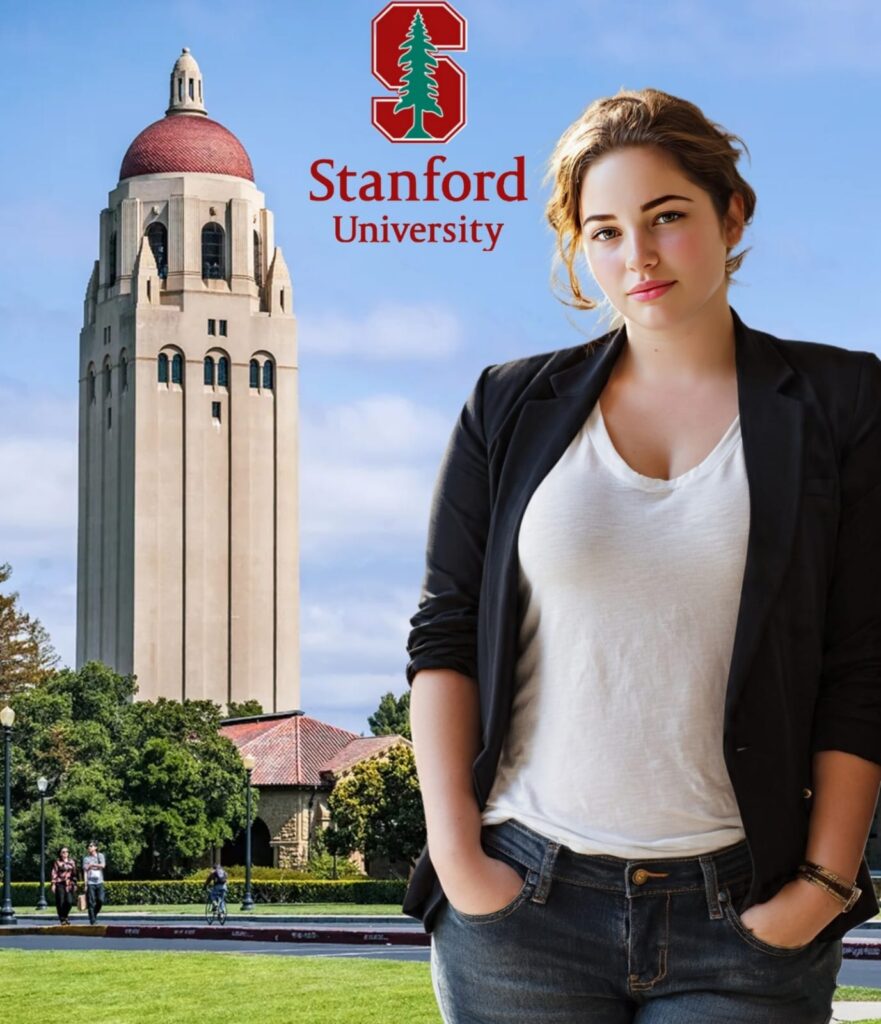
Stanford’s academic environment has been shaped by notable thinkers and writers, including John Steinbeck. Studying in such a setting, Rosanna felt that submitting machine-generated work would undermine the intellectual tradition of the institution. She viewed original effort as a form of respect to both teachers and the university’s academic legacy.
Making Use of Opportunity
Admission to a leading global university is highly competitive. Rosanna felt that securing such a seat carried responsibility. She believed that using shortcuts after gaining admission diminished the value of the opportunity. Assignments, in her view, were not mere formalities but essential exercises in learning and discipline.
Outcomes After Graduation
After completing her degree, Rosanna expressed satisfaction with her decision. She stated that her academic progress was the result of sustained effort rather than technological assistance. Today, she communicates with greater clarity and writes with confidence. Her experience has emerged as an example for students navigating the growing presence of artificial intelligence in education.

Hey, I’ve been checking out 1pra1 lately and it’s got some interesting stuff going on. Definitely worth a look if you’re bored. Check it out here: 1pra1