- Cuban Revolution Defied America
- CIA Plots Repeatedly Failed
- Legacy Shapes Latin Politics
- A Leader Who Unsettled Washington
Article Today, Hyderabad:
A small island nation off the American coast once kept the world’s most powerful country on edge. That unease stemmed largely from the leadership of Fidel Castro, who turned Cuba into a lasting symbol of resistance against United States dominance. Despite decades of pressure, Washington failed to decisively alter Cuba’s political course.
Defiance Beyond Geography
Cuba lies barely 90 miles from the US mainland. However, geographic proximity did not translate into political control. Under Castro, the country resisted economic, military and covert pressure. The inability of the US to directly intervene in Cuba became a recurring reminder of the limits of American power during and after the Cold War.
CIA Efforts and Failures
The United States intelligence apparatus viewed Castro as a strategic threat. According to Cuban records, the attempted hundreds of plots to assassinate him. These efforts ranged from conventional tactics to unconventional schemes. However, none succeeded, and Castro remained in power for decades.
Bay of Pigs Turning Point
The failed Bay of Pigs invasion marked a decisive moment. US-backed forces were defeated, strengthening Castro’s domestic authority and international standing. Thereafter, Washington relied mainly on sanctions and isolation. Meanwhile, Cuba consolidated its revolutionary identity rather than retreating under pressure.
Revolutionary Origins
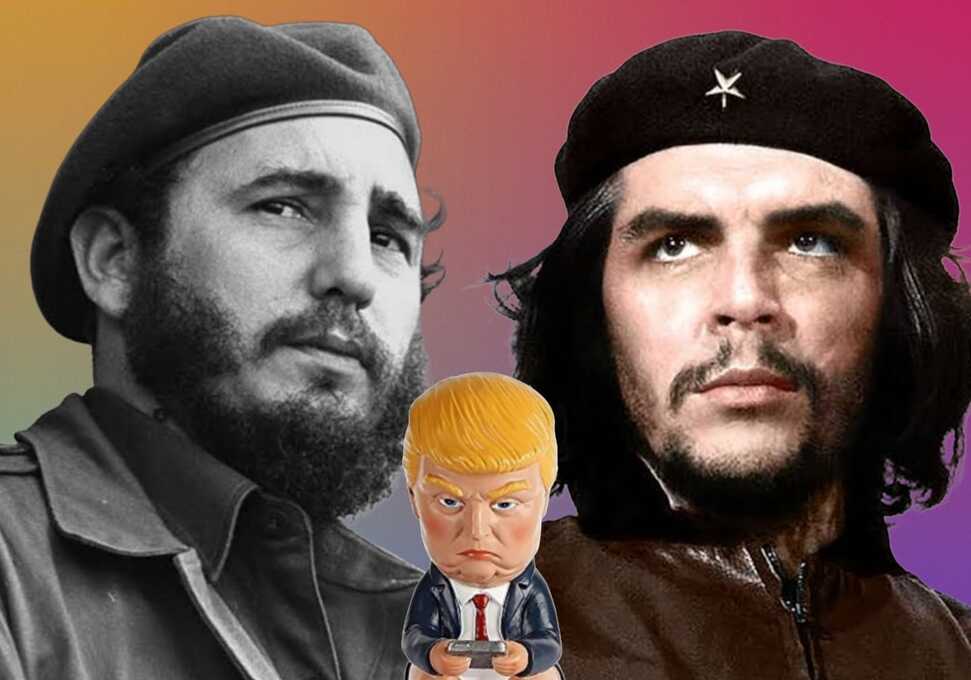
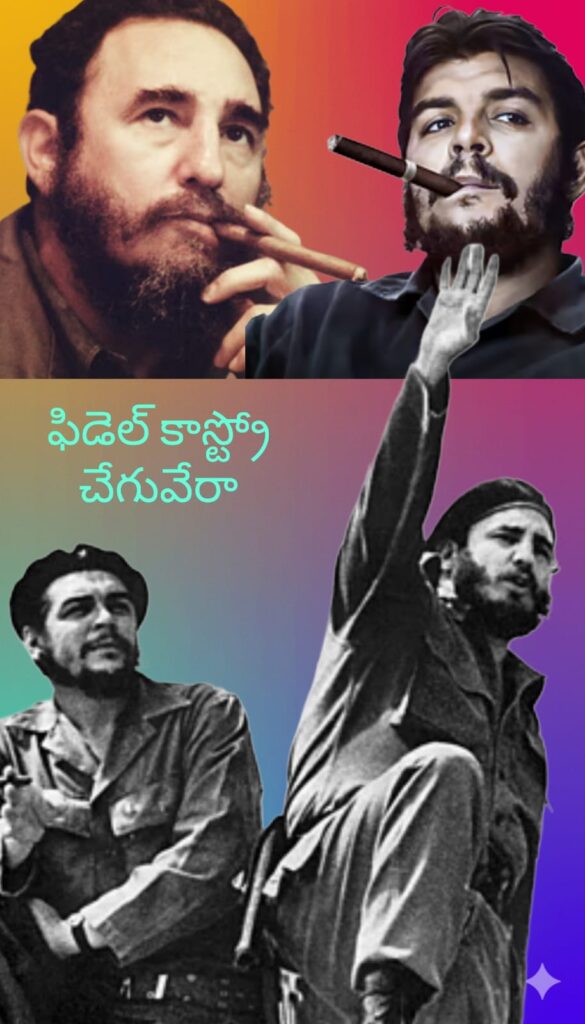
Castro’s rise followed years of political struggle against the Batista regime, which enjoyed strong American backing. After an initial failed uprising in 1953, imprisonment and exile, he regrouped abroad. In 1959, his forces entered Havana and overthrew the government. Alongside , Castro placed Cuba firmly on a socialist path.
Regional Influence
Cuba’s influence extended beyond its borders. The country supported liberation movements in Africa, Asia and Latin America. Over time, Havana also forged close ties with , particularly through energy and economic cooperation. These alliances amplified Cuba’s regional relevance.
Current Political Context
In recent years, developments in Venezuela and renewed US rhetoric have revived memories of the Castro era. US President has made strong remarks on Cuba’s dependence on Venezuelan resources. American officials have signalled a tougher approach, reigniting debate over Washington’s ability to influence Havana.
An Enduring Legacy
Castro died in 2016 at the age of 90. However, his ideological imprint continues to shape Cuban society and regional politics. For many in Latin America, he remains a symbol of defiance against external intervention. As global power dynamics evolve, the question of whether the US can decisively alter Cuba’s course still lingers.