- Evictions Surge Across India
- Poor families Pushed Streets
- Rehabilitation Remains Largely Absent
- Development at a Human Cost
- Housing and Land Rights Network Report Reveals
Article Today, Hyderbad:
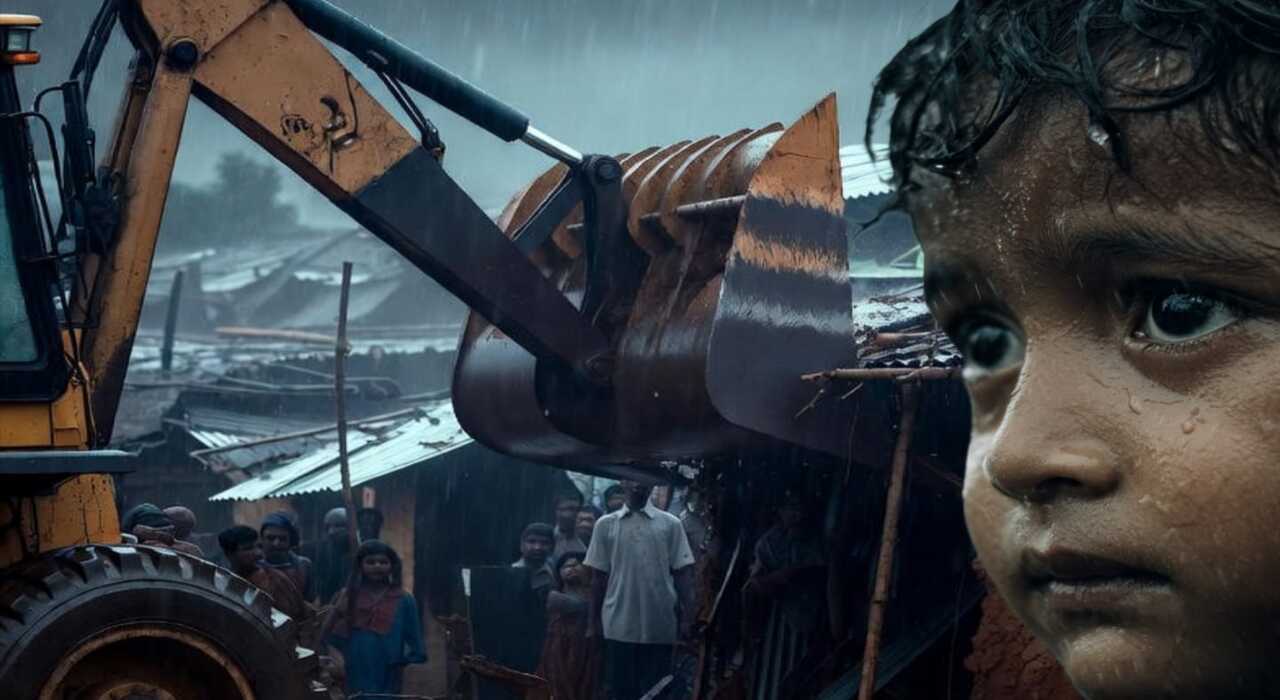
Urban development projects across India are increasingly resulting in the demolition of homes belonging to the urban poor. Under the banner of city beautification and infrastructure expansion, bulldozers have flattened informal settlements where families lived for decades. As a result, thousands are losing not just shelter but also dignity and security. What is projected as development is, therefore, pushing vulnerable citizens into deeper distress.
Demolitions Double in Seven Years
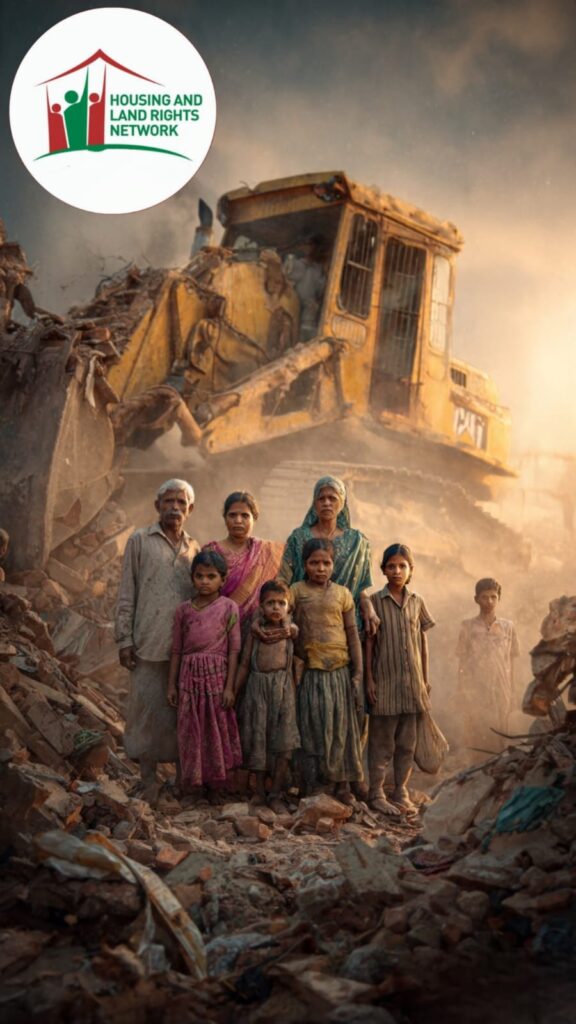
Over the past seven years, the scale of house demolitions has risen sharply. Data compiled by Housing and Land Rights Network show that demolitions between 2017 and 2024 have nearly doubled. During the 2017–23 period alone, 3,44,768 houses belonging to poor families were demolished across the country. Consequently, nearly 1.6 million people were rendered homeless, reflecting the widening housing crisis.
A Grim Year in 2023
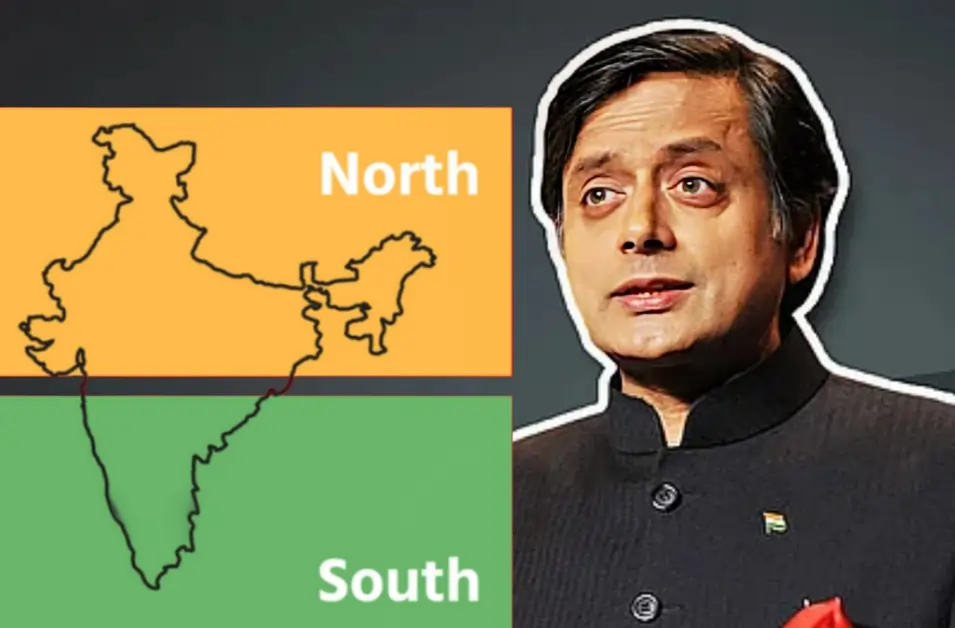
The year 2023 stood out for the intensity of evictions. Around 1.05 lakh houses were razed nationwide in a single year. This led to the displacement of approximately 5.15 lakh people. While southern States recorded relatively fewer demolitions compared to northern regions, the overall national trend remained alarming. The data underline how eviction drives are accelerating rather than stabilising.
Rehabilitation Remains Elusive
Despite large-scale displacement, rehabilitation efforts remain grossly inadequate. Only about 10 per cent of those who lost their homes received any form of resettlement. The remaining families were left to fend for themselves, often moving to pavements or temporary shelters. However, authorities have largely failed to offer alternative housing before demolition, raising serious concerns about governance and accountability.
Bulldozers as a Policy Tool
In recent years, demolition has increasingly been used as a tool of administration. Often carried out in the name of removing encroachments or enforcing law and order, such actions bypass due legal process. In several instances, demolitions were executed without adequate notice. Therefore, questions are being raised about violations of the constitutional right to life and shelter.
Lives Buried Under Debris
For affected families, each demolished house represents years of savings and labour. During eviction drives, residents frequently report that they are denied time to retrieve basic belongings. Children lose access to schools, while the elderly and sick face severe exposure to heat and cold. Consequently, displacement triggers a chain of social and economic hardships that extend far beyond the act of demolition.
Urban Renewal for Whom
Projects such as metro expansions and smart city initiatives have intensified eviction pressures. Critics argue that cleared lands are often transferred to commercial or corporate interests. Meanwhile, displaced families are pushed to city outskirts, far from workplaces and essential services. This disconnect disrupts livelihoods and deepens poverty among already marginalised groups.
Law and Accountability
Courts have repeatedly cautioned governments against forced evictions without rehabilitation. However, implementation on the ground remains weak. Experts argue that any removal of housing must be preceded by lawful procedure and alternative accommodation. Without a humane approach, development risks becoming an instrument of exclusion rather than progress.