
- Myths Cannot Replace Evidence
- Critical Reading of Past
- Renowned Historian Romila Caution
Article Today, New Delhi:
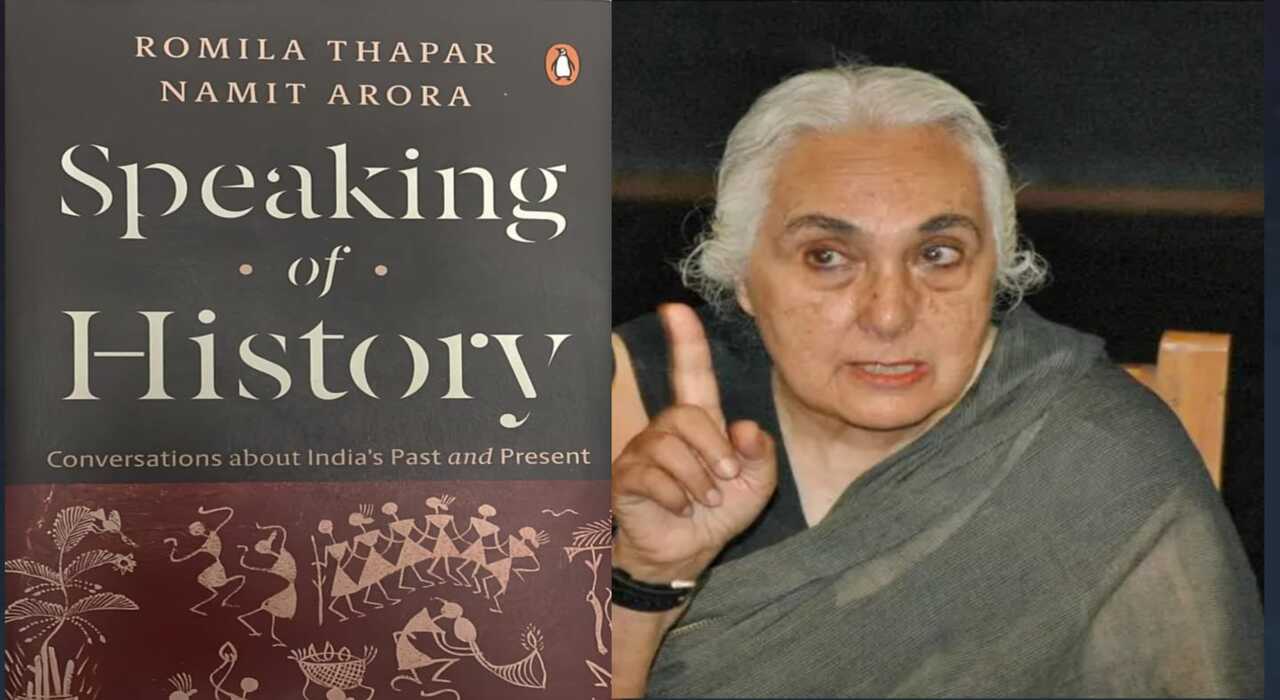
Renowned historian Romila Thapar has cautioned against treating history as a collection of unverified social media messages. She underlined that history is a disciplined study based on evidence, not opinion or instant messaging forwards. According to her, confusing the two has serious social consequences.

Context of the Remarks
The observations were made during a public discussion with writer Namit Arora, forming the basis of their recent book Speaking of History. The conversations examine how history should be read, interpreted, and debated in contemporary India.
Rise of Misinformation
However, Thapar noted that many people today derive their understanding of the past from forwarded messages rather than scholarly research. Such misinformation, she said, often lacks sources and context. As a result, it fuels misunderstanding and social hostility. Therefore, she stressed the need to return to evidence-based historical study.
Myth and History
In addition, Thapar clearly differentiated between mythology and history. While myths are part of cultural tradition, history relies on verifiable sources such as inscriptions, coins, and archaeological findings. Treating myth as fact, she warned, blurs critical distinctions and creates confusion in public discourse.
Interpreting India’s Past
Meanwhile, the discussion also addressed interpretations of India’s medieval and colonial periods. Thapar referred to economic and intellectual developments during the Mughal era and the lasting impact of British colonial narratives. She argued that colonial historiography often shaped perceptions that continue to influence extreme nationalist interpretations today.
Message to the Young
Therefore, Thapar urged young readers to cultivate critical thinking. She advised questioning sources, examining evidence, and avoiding emotional responses to historical claims. India’s long civilisational history, she said, offers much to understand and appreciate when studied rigorously.
History as Inquiry
Finally, Thapar described history as a continuous process of inquiry rather than a closed record. New questions and evidence refine older interpretations over time. Protecting history from distortion, she concluded, is a shared responsibility essential for an informed and balanced society.